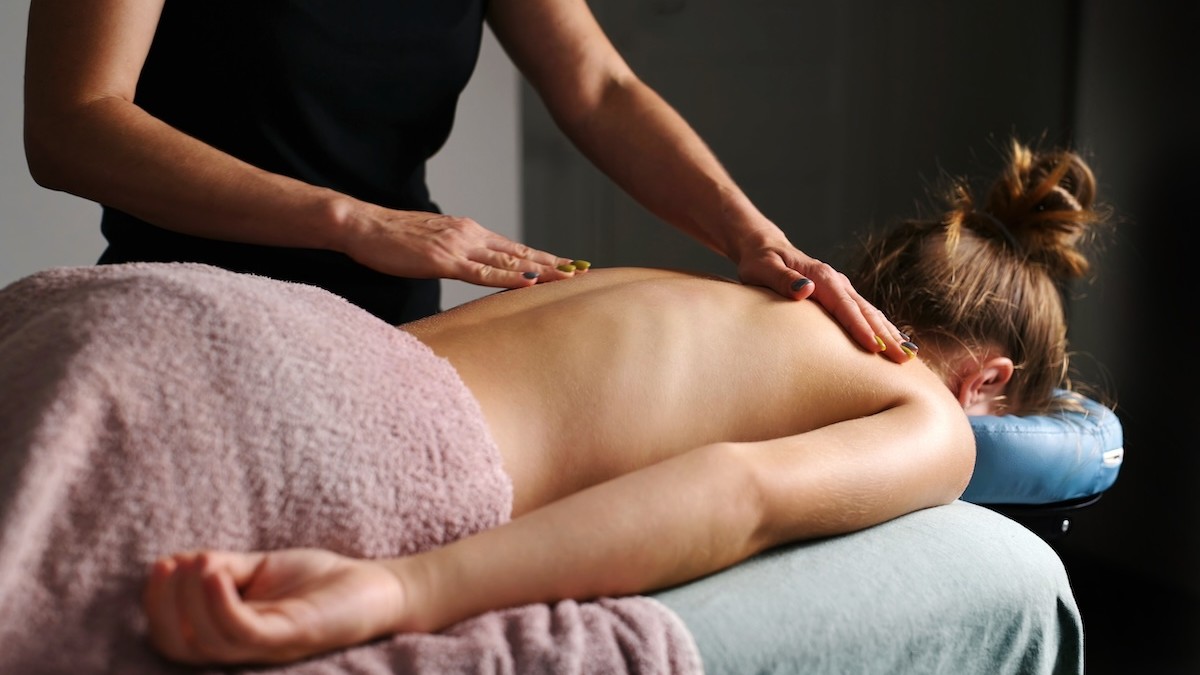
The Massage4MentalHealth founder has published a new open letter urging policymakers to formally recognise massage therapy as a credible, evidence-based mental health intervention within the NHS
Massage therapist and mental health advocate Hayley Snishko has published a new open letter calling for massage therapy to be formally recognised within UK mental health care policy.
The letter, titled Beyond Talk: The Case for Massage Therapy in Mental Health Policy, forms part of her ongoing Massage4MentalHealth campaign, which aims to position massage as a credible, evidence-based treatment for people living with mental health conditions.
In the document, Snishko argues that mental health care must move beyond a purely psychological focus to include the physical impact of conditions such as anxiety, depression, PTSD and chronic stress.
Open letter highlights the physical impact of mental health
A central theme of the open letter is that mental health conditions are not solely emotional or cognitive, but also deeply physical.
The paper outlines how symptoms such as chronic muscle tension, sleep disruption, fatigue, nervous system dysregulation and pain are often left untreated within conventional care models. According to Snishko, this creates a cycle where untreated physical symptoms can worsen emotional distress.
The letter states that addressing both the mind and body is essential for effective recovery, noting that improvements in physical symptoms are closely linked to overall mental health outcomes.
Scientific evidence supports massage therapy for mental wellbeing
The open letter brings together a body of research supporting massage therapy as a complementary mental health treatment.
It highlights evidence showing that massage therapy can:
- Lower cortisol levels (the body’s primary stress hormone)
- Increase serotonin and dopamine linked to mood regulation
- Activate the parasympathetic nervous system
- Improve sleep quality and reduce physical tension
The paper also references multiple studies and meta-analyses demonstrating reductions in anxiety and depression, alongside improved physiological markers.
Snishko positions massage therapy as a non-pharmaceutical, evidence-based intervention that can work alongside talking therapies and medication, rather than replacing them.
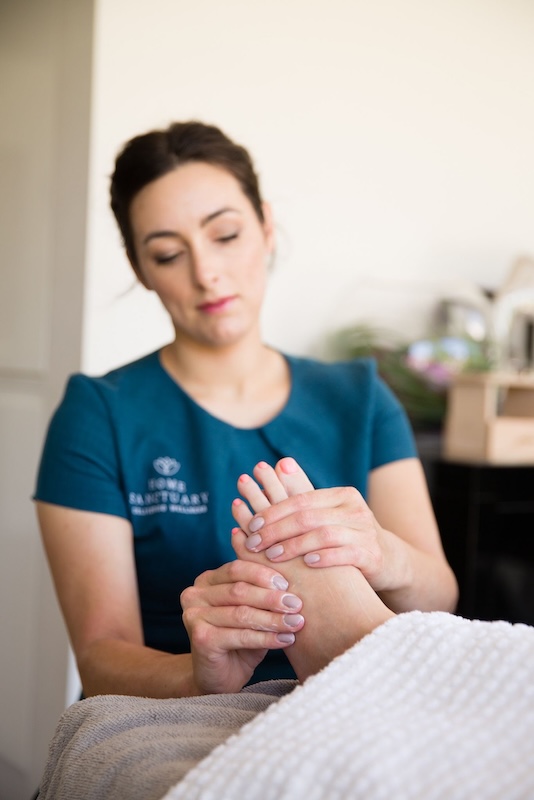
Massage therapy and social prescribing
A major focus of the open letter is the integration of massage therapy into NHS social prescribing pathways.
Snishko argues that while social prescribing already connects patients with community-based support, physical therapies such as massage remain underrepresented despite their proven benefits.
The letter calls for:
- Official recognition of massage therapy within social prescribing
- Funding for pilot programmes integrating therapists into primary care
- Further research into cost-effectiveness
- Inclusion of massage in return-to-work support strategies
The document highlights an existing complementary therapy pilot in Kensington and Chelsea as an example of how massage can support mental health recovery, improve confidence and reduce reliance on GP services.
Addressing loneliness and human connection through massage
The open letter also explores the role of massage therapy in tackling loneliness, which is increasingly linked to poor mental and physical health outcomes.
Snishko emphasises the importance of safe, therapeutic human touch, describing it as a form of meaningful connection that can support emotional regulation and resilience.
Massage is presented not only as a physical treatment, but as a way to reduce isolation and improve overall wellbeing.
Supporting return-to-work outcomes and workforce wellbeing
The paper links massage therapy to wider economic and workforce challenges, particularly rising levels of mental health-related absence in the UK.
Snishko argues that by addressing physical symptoms such as stress, pain and sleep disruption, massage therapy can support individuals in returning to work more sustainably.
She positions massage as a cost-effective, preventative tool that could ease pressure on overstretched mental health services while improving long-term outcomes for patients.
Massage4MentalHealth campaign continues to build momentum
Launched in 2022, the Massage4MentalHealth campaign is driven by Snishko’s 17 years of experience as a therapist, alongside her own lived experience of mental health challenges.
The campaign aims to:
- Raise awareness of massage therapy for mental health
- Educate therapists and healthcare professionals
- Achieve recognition of massage as a credible treatment option
- Enable access via NHS social prescribing
Since its launch, the initiative has gained industry recognition, alongside training developments such as Snishko’s Babtac-endorsed course, The Therapeutic Connection, which focuses on the therapist-client relationship in mental health-informed practice.
New website supports therapists with mental health-informed practice
Alongside the open letter, Snishko has launched a new website designed to support beauty and massage professionals in developing mental health-informed practices.
The platform brings together her:
- Training programmes
- Consultancy services
- Treatment approach
- Campaign advocacy
It also introduces upcoming services such as The Well-Being Review, aimed at helping businesses better support both client and therapist wellbeing.
What this means for massage therapists and the wider industry
For massage therapists, the publication of this open letter represents a continued push to elevate the profession within healthcare conversations.
Snishko’s message is clear: massage therapy should no longer be viewed as a luxury, but as a credible, evidence-based component of integrated mental health care.
As demand for holistic and preventative approaches grows, the campaign highlights a significant opportunity for therapists to play a more recognised role in supporting mental wellbeing across the UK.
You might also like: