

Laser treatments are now safer than ever for melanin-rich skin – but only when the right technology, settings and protocols are used
Here’s how practitioners can deliver effective, inclusive and risk-free results.
Why skin of colour historically faced higher risks with laser treatments
Around 10 to 15 years ago, laser hair removal wasn’t designed with darker skin in mind. Machines were typically intense pulse light (IPL) devices calibrated for lighter skin and darker hair.
This meant people with melanin-rich skin often faced higher risks of burns, pigmentation changes, or poor results.
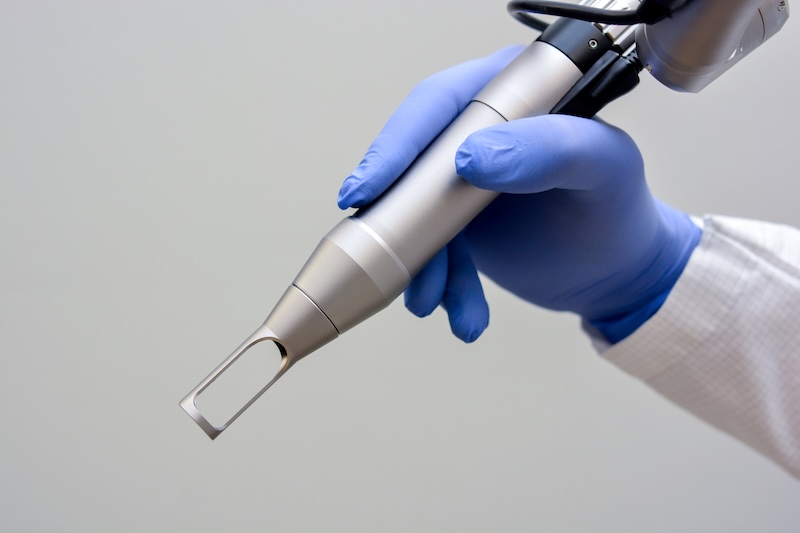
Thankfully, technology has evolved. The introduction of Nd:YAG lasers, which use longer wavelengths, along with advanced cooling systems, now allows treatments to be delivered safely and effectively for all skin types.
Clinics that invest in the right technology and training can confidently offer results without the risks that were once common.
Understanding the main risks for melanin-rich skin
Melanin is key to understanding laser safety. Lasers target pigment, so if incorrect settings or wavelengths are used, the laser can affect the surrounding skin.
Darker skin tones have more melanin, increasing the risk of complications. Practitioners must be aware of these risks to protect client safety, build trust and maintain their reputation.
The most common side effects for melanin-rich skin are hyperpigmentation (dark marks) and hypopigmentation (light patches), which can result from burns.
In some cases, long-term scarring may occur if treatments are poorly managed. These issues usually stem from incorrect device choice, improper settings, or skipping key safety steps such as patch testing or consultations.
Choosing the right wavelengths for safe treatment
Shorter wavelengths, like those used in IPL or Alexandrite lasers, are particularly risky for darker skin because melanin absorbs them more readily.
Nd:YAG lasers are recommended, as they bypass the upper layers of skin and target the follicle safely. Individual factors such as Fitzpatrick skin type, history of pigmentation, medical background and recent sun exposure also influence risk, making thorough consultations essential.

Essential steps to minimise risks and protect client skin
Practitioners can reduce risks through careful planning and protocol:
- Always conduct a patch test
- Start conservatively and adjust settings carefully
- Use cooling techniques before, during and after treatment
- Advise clients to avoid sun exposure before and after sessions
- Provide aftercare guidance to support healing and reduce inflammation
Clear consultation and realistic expectation setting are also crucial. Clients should understand what results are achievable, likely number of sessions and potential risks.
The importance of training and inclusive practice
Practitioners should seek Ofqual-certified training courses as a baseline, but many don’t provide enough detail for treating darker skin. As laser technology becomes more inclusive, training must reflect this to prevent accidents.
Salons can further ensure safe, inclusive treatments by investing in appropriate technology, seeking manufacturer guidance on settings for Fitzpatrick 5 and 6, training staff specifically for darker skin, and creating an inclusive culture in marketing and practice.
Emerging trends, such as improved cooling systems, are also enhancing safety and comfort, with cooling air proving more effective than topical gels.
How salons can future-proof their laser offering
The key to safely expanding laser services for clients with skin of colour is to never cut corners. Invest in the right machine, receive proper training and fully understand each client’s skin before treatment.
When done properly, laser hair removal can be life-changing for clients who may previously have felt excluded from the industry.
FAQ: laser hair removal for skin of colour
Is laser hair removal safe for darker skin tones?
Yes. Modern Nd:YAG lasers and proper protocols make hair removal safe for clients with darker skin when conducted by trained practitioners.
What are the common side effects of laser hair removal on melanin-rich skin?
The most common side effects are hyperpigmentation (dark spots), hypopigmentation (light patches), and, in rare cases, burns or scarring. Correct settings and patch testing help prevent these.
Which laser types are recommended for darker skin?
Nd:YAG lasers are preferred because their longer wavelengths bypass the upper skin layers and target hair follicles safely. IPL and Alexandrite lasers carry higher risks.
How can practitioners minimise risks for darker skin?
Key steps include patch testing, conservative settings, cooling before and after treatment, sun exposure guidance, and clear aftercare instructions.
Why is training important for treating skin of colour?
Training ensures practitioners understand skin types, laser settings, and potential risks. Inclusive courses for Fitzpatrick 5-6 skin prevent complications and improve outcomes.
Can laser hair removal permanently damage darker skin?
Permanent damage is rare when treatments are properly conducted. Most side effects, like temporary pigmentation changes, resolve over time with appropriate care.
How many sessions are usually needed for effective results?
Treatment plans vary based on hair type, skin tone, and area treated. Practitioners should set realistic expectations during consultations.
You might also like:

About the expert
Francesca Otote is an aesthetic nurse practitioner and co-founder of Cactus Laser Clinic, which has locations in Croydon and Brixton, London.

