Check out these expert strategies to retain Gen Z staff in salons and spas, from fair pay and clear career pathways to mental health support, training and tech-led workplaces
Recruiting young talent into the beauty industry is one challenge. Keeping them is another.
With Gen Z set to become the dominant force in the workforce over the next decade, salon and spa owners must rethink outdated management models if they want to improve staff retention. According to productivity tool company Cake.com, by 2030 Gen Z will make up 30% of workers, and by 2035 they will be the biggest group.
Financial viability: why old pay models don’t work
One of the most common complaints from employers is that Gen Z “don’t stay”. Lola Dansu, award-winning aesthetician and founder of Skin Facialist, Asme Collective and Retail60, challenges this narrative.
“Through my social enterprise Asme Collective, I work with over 200 UK schools on beauty career education, and when salon owners say, ‘Gen Z is talented, but they don't stay’, I ask them to calculate what they're actually offering.”
She is clear about the core issue:
“The problem isn't work ethic, it's money. Half of Gen Z live paycheck to paycheck, and nearly half don't feel financially secure. Their grandparents could buy houses on therapist salaries, but Gen Z can't even afford rent in the cities where salons operate. Old earning models don't work anymore, and salons keeping Gen Z have changed how they pay people.”
For salon and spa owners, this means reviewing commission structures, base pay and income progression. If a role does not offer financial stability or visible earning potential, retention will suffer.

Clear career progression keeps Gen Z engaged
Retention is closely linked to growth. According to HR company Randstad, Gen Z stays in jobs for just over a year on average, while older workers stay about three years. One in three leaves because they can’t see how to grow.
Dansu explains, “Gen Z wants a real career path, not just a job.”
She adds, “Based on what research shows they need – clear progression pathways, financial viability, and purpose – salons that keep them offer faster growth: clear frameworks to learn and teach, multiple ways to earn money (services plus retail plus training), and growth milestones every six to 12 months. When you build their skills systematically, they stay because leaving means starting over.”
Gemma Barratt, group spa director at hospitality group Daniel Thwaites, agrees that structured development is key. She says, “Another key motivator for Gen Z is growth. They’re generally eager to learn new skills, explore different roles and build successful careers. Training opportunities help to engage and motivate.”
At Daniel Thwaites, this led to the creation of an in-house academy. Barratt explains, “At Daniel Thwaites, we recognised this appetite for ambition and a few years back launched the Daniel Thwaites Spa Academy.
“This was our way of supporting the eagerness of our younger employees and creating a programme that promotes a strong staff retention rate, long term. By offering this structured training, mentoring and recognised qualifications, Gen Z team members feel acknowledged and supported.”
Work-life balance and mental health support matter
Management consultant firm McKinsey & Company reports that 77% of Gen Z want work-life balance more than promotions, and only 6% want to be managers. Meanwhile, 89% need their work to have meaning.
Barratt says, “Retaining Gen Z staff in salons and spas means creating a workplace that aligns with their values, supports mental wellbeing and offers clear career growth. This generation thrives in inclusive, tech-savvy environments where training, flexibility and a sense of purpose are prioritised.”
She warns that culture is critical: “They expect mental health support, safe working environments and open, respectful communication. Toxic hierarchies, outdated practices or a culture of stress and burnout will put them off quickly.”
Practical changes can make a difference. Barratt comments, “This can be a challenge in a busy spa or salon so try to introduce best practices to support staff wellbeing such as regular breaks, flexible hours and a positive work-life balance.”
Dansu also highlights the link between wellbeing and retention, saying, “Mental health support matters – 61% would leave for better mental health benefits. But many wellness programmes make turnover worse because they treat symptoms, not causes.”

Leadership: clarity over hierarchy
Gen Z is often perceived as anti-authority, but research from HRZone suggests otherwise. According to Dansu, “Research on 1.7 million workers shows Gen Z respect their managers more than older workers do. They're not against authority; they're against unclear authority.”
She explains what modern leadership looks like: “They speak directly and expect honesty. They need to understand why rules exist. Weekly check-ins work, but yearly reviews don't.”
And she says that balance is essential. “Kindness without clear rules creates confusion, but rules without kindness make people quit.”
For salon managers, this means consistent communication, transparent expectations and frequent feedback. Annual appraisals alone are unlikely to meet Gen Z’s needs.
Skills over sales scripts: building confidence and value
Investing in clinical thinking and competence can directly improve retention.
Dansu shares, “I mentor a therapist who felt unsure during consultations, and only 15% of her clients bought products. We worked on clinical thinking, not sales tricks. She learned about ingredients and which products solve which problems. She learned the 80/20 rule: 20% of products give 80% of results. Her client retention has drastically improved, and she's beginning to influence some of the clinic's decision-making process. She feels valued.”
Her conclusion is clear: “Treat every therapist as an investment, not just a job to fill.”
When therapists feel skilled, confident and influential, they are less likely to leave.
Technology and digital fluency are non-negotiable
Gen Z are digital natives, and their expectations extend to the workplace.
Barratt explains, “This generation is also known as the first true digital natives; they were born into a fully digital world, and their digital lives can sometimes be hard to separate from reality. They expect their workplace to be tech-savvy, so modern booking systems and digital consultation tools will keep Gen Z focused. Clunky, ‘old fashioned’ processes frustrate them.”
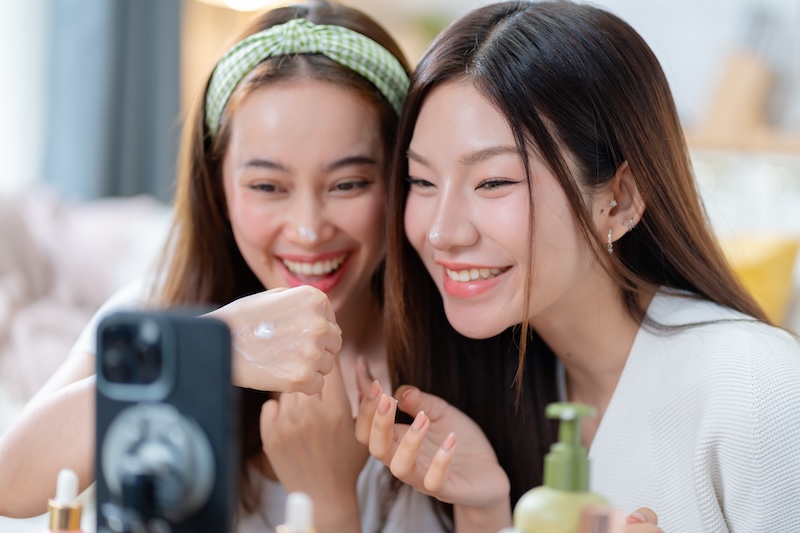
There is also an opportunity to harness their strengths. “They’re also social media experts, often eager to contribute to brand visibility online. Encouraging them to create content, promote services or engage with online audiences taps into both their skills and creativity as well as providing further support for your business.”
Creating a purpose-driven salon culture
For Gen Z, work must align with personal values.
Barratt says, “For Gen Z, a job in beauty and wellness is more than aesthetics, it’s about making a difference. They are typically value driven and want to work for brands that reflect their beliefs, from mental wellbeing to sustainability.”
She adds, “Salons and spas that champion inclusivity, offer eco-friendly products and promote self-care, not just superficial treatments, are more likely to attract and retain Gen Z staff.”
Ultimately, she concludes, “To retain Gen Z staff in salons and spas, employers must go beyond surface-level perks. This generation values inclusivity, sustainability and mental health support, alongside opportunities for training and career progression.
“By investing in their growth, embracing technology and encouraging their creativity, you can create a workplace where Gen Z beauty professionals feel respected and motivated. Supporting their values not only strengthens retention but also empowers the next generation to shape the future of your business.”
The bottom line: adapt or lose talent
Gen Z is not disengaged or disloyal. They are pragmatic.
They want:
- Financial stability
- Clear progression
- Honest leadership
- Work-life balance
- Mental health support
- Purpose and values alignment
- Modern systems and tools
Salons and spas that redesign pay structures, formalise training pathways and modernise leadership approaches are far more likely to retain young beauty professionals.
As Dansu puts it, when skills are built systematically and progression is visible, “leaving means starting over.” For Gen Z, that’s a powerful reason to stay.
Learn more from Lola Dansu at the Salon Growth Summit, where she’ll be part of the panel on Leading the Next Generation of Stylists and Therapists, alongside Jamie-Lee Jones, Natasha Grossman and Tilly Capel, on Monday, March 2, at 11am. Book your ticket for the Summit at professionalbeauty.co.uk/salon-growth-summit
FAQs: Retaining Gen Z staff in salons and spas
Why is retaining Gen Z staff a challenge in the beauty industry?
Gen Z professionals are more likely to leave roles if they don’t feel financially secure or can’t see a clear path for progression. Many live paycheck to paycheck, and average job tenure is shorter than previous generations. Without structured growth, transparent pay and regular feedback, retention becomes difficult.
What does Gen Z want from a salon or spa employer?
Gen Z beauty professionals typically prioritise:
-
Financial stability and transparent earning potential
-
Clear career progression
-
Work-life balance
-
Mental health support
-
Inclusive, values-led workplaces
-
Modern, tech-enabled systems
-
Honest, regular communication
They are motivated by purpose and want to feel their work has meaning.
How can salons improve Gen Z staff retention?
Salons and spas can improve retention by:
-
Reviewing pay and commission structures
-
Creating structured training programmes
-
Setting clear growth milestones every six to 12 months
-
Holding regular check-ins instead of relying on annual reviews
-
Offering multiple income streams, such as retail and training opportunities
When progression is visible and skills are built systematically, employees are more likely to stay.
Does Gen Z want management roles?
Only a small percentage of Gen Z aim to become managers. Many prefer to specialise, develop advanced skills or take on educator-style roles instead. Offering alternative career pathways beyond traditional management can improve engagement and loyalty.
How important is mental health support?
Mental health support is a key retention factor. Flexible hours, regular breaks, safe working environments and respectful leadership all contribute to wellbeing. Surface-level perks are less effective than addressing workload, communication and culture.
Why does technology matter for retaining Gen Z staff?
Gen Z are digital natives and expect modern booking systems, digital consultation tools and efficient processes. Outdated systems can cause frustration. Involving them in social media and digital marketing can also boost engagement and business visibility.
What is the most effective long-term strategy?
The most effective strategy is to treat Gen Z staff as long-term investments. Financial viability, structured career growth, inclusive culture and modern leadership practices are essential for building loyal, future-focused salon and spa teams.