
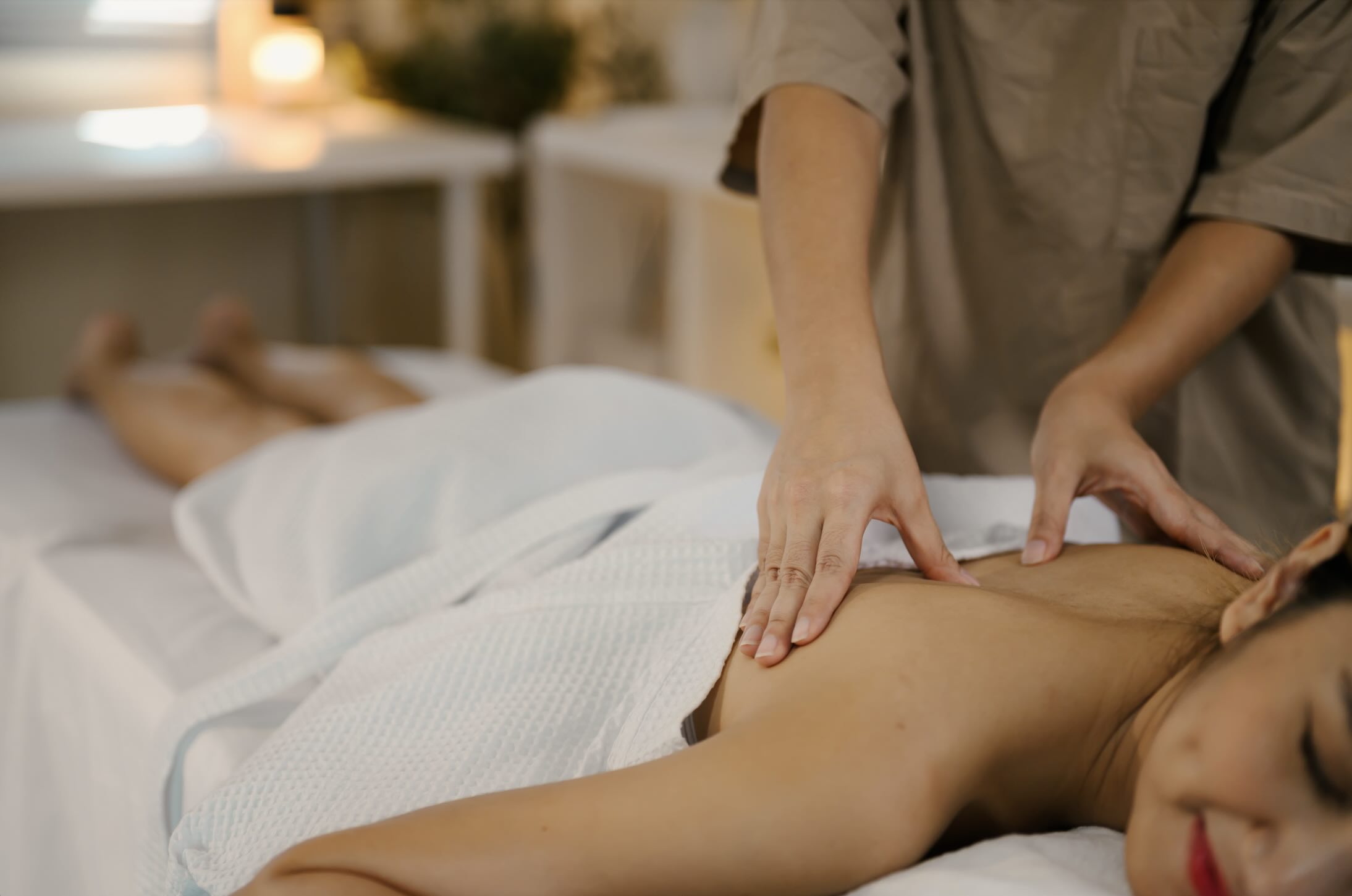
A new report from UK Spa Association has revealed that three-quarters of practitioners feel confident in delivering cancer-adapted care, although crucial gaps in legal compliance remain.
The UK Spa Association (UKSA) has published its Spa Industry Report: Cancer-care, revealing a wellness sector that is confident and proactive, yet still navigating operational blindspots.
The data shows positivity regarding practitioner readiness, with 75% of therapists stating they feel confident to deliver treatments for guests living with cancer, and 73% of wellness businesses already offering dedicated, adapted services.
However, the report also exposes a regulatory gap, with 46% of operators unaware that cancer is legally classified as a disability under UK law, leaving them potentially vulnerable to discrimination claims.
Despite this legal confusion, standard product safety and compliance rank exceptionally high across the sector, with 75% of operators confirming that their treatment formulas comply with EU directives and have been rigorously tested for sensitivity and toxicity.
Promising for inclusive wellness
The survey, which captured insights from a mix of single-site spas, multi-site operators, boutique salons, and independent therapists across the UK, showed that the sector overwhelmingly recognises the therapeutic power of touch.
A huge 94% of respondents believe that spa and wellness treatments are absolutely vital for guests navigating a cancer journey.
Other key positive indicators from the report include:
Consultation care: 79% of businesses actively perform an adapted consultation process for these clients, with 42% using a dedicated, specialised form.
Inclusive experiences: 75% of operators believe their current customer journey is successfully inclusive.
Evolving benchmarks: 57% of those surveyed state that cancer-adapted treatments have already shifted from a niche offering into an expected industry standard.
Management backing: 79% of professionals feel fully supported by their company leadership on this issue, and 57% already have official inclusion policies firmly in place.
Operational bottlenecks and the disclosure gap
While the foundational confidence is there, the UKSA noted that translating this into a seamless guest journey presents hurdles.
Under current UK legislation, individuals are protected from discrimination from the day they are diagnosed, meaning blanket booking rejections can carry legal consequences, a risk exacerbated by the 46% unfamiliar with the law.
A significant disconnect also exists in the booking journey. While 31% of guests disclose their medical status prior to arrival, 37% do not mention their diagnosis until they are already in the treatment room with their therapist, meaning on-the-spot adjustments.
Additionally, while 61% of businesses have invested in specialist training lasting three days or more, education remains heavily weighted toward therapists (35%) and managers (30%), often leaving front-of-house and reception teams out of the loop.
A call for unified education
The UKSA concludes that while the industry has made monumental strides forward, formalising cancer care into core college training syllabi remains the ultimate goal.
The association encouraged salon and spa owners are encouraged to use resources from the report's key partner organisations to better train their wider teams:
- Look Good, Feel Better UK: Free skincare and wellbeing workshops. Salons can support them by volunteering time or donating space.
- SATCC: Establishes benchmarks for touch therapies.
- The Amethyst Trust: Provides SATCC-approved safe massage courses and specialized training for reception staff.
- Made for Life Foundation: Offers holistic support for individuals navigating diagnosis and recovery.
Wellness for Cancer Charity: Provides signature international wellbeing and oncology training programmes.
Commenting on the findings, Amanda Winwood, founder of the Made for Life Foundation, said: "The stats showing that 37% of customers living with cancer don’t say anything until they are in the treatment room, and that 49% of our sector don’t feel confident enough to welcome someone, is indicative of the work we still must do as a collective. It starts with education and training at college level. It is fantastic to have this data as a baseline.”
The full Spa Industry Report: Cancer-care can be accessed via the UK Spa Association.


square.jpg)