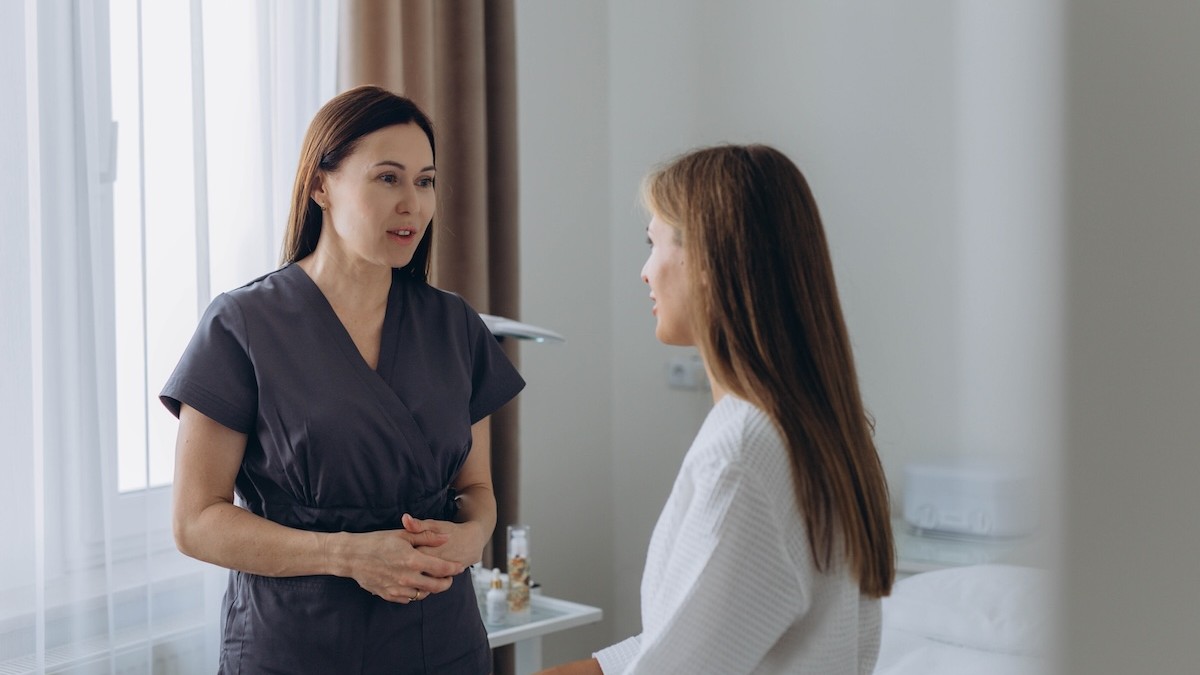
The Therapist Well-Being Report 2026 reveals that beauty, spa and wellness professionals remain passionate about their work, but many are experiencing physical exhaustion, emotional fatigue and growing pressure as client needs evolve
Almost three quarters of therapists have experienced burnout or overwhelm as a result of their work, according to a new report exploring therapist wellbeing across the beauty, spa and wellness industries.
The Therapist Well-Being Report 2026, created by multi-award-winning therapist and mental health campaigner Hayley Snishko in association with education and training provider The Power of Touch (TPOT), is based on anonymous responses from 159 professionals working in spa, beauty, wellness and therapeutic settings across the UK and international markets.
The exploratory survey examined therapists’ experiences of their profession, their own physical and emotional wellbeing, changing client expectations and the support needed to build more sustainable careers.
Of those surveyed, 60% were self-employed or independent practitioners, while respondents also included spa therapists, senior therapists, managers, educators and specialist practitioners. More than three quarters had worked in the industry for over six years.
How common are burnout and exhaustion among beauty and spa therapists?
The research found that 89.3% of respondents had experienced physical exhaustion from their work, with 32.1% experiencing it frequently or very frequently.
Meanwhile, 86.8% had experienced emotional fatigue, including 30.2% who said this happened frequently or very frequently.
A further 72.3% reported experiencing burnout or overwhelm, with 27.7% experiencing these feelings frequently or very frequently.
The findings reflect both the physical nature of delivering treatments and the emotional demands placed on therapists as they listen to, empathise with and support clients.
One therapist responding to the survey said, “When I worked for someone else I think having things in place to actually support therapists emotionally and physically would be brilliant. I’ve personally worked in places which just think you’re a machine and want one client in one out (very money driven) and there was not much care for us.”
Another respondent called for “less physical overload, more recovery time, stronger boundaries, and better financial and emotional support”.

Therapists remain fulfilled by their work despite growing pressure
Despite the findings around therapist burnout and emotional fatigue, the report does not portray a profession that has lost faith in its purpose.
Some 99.4% of respondents said they felt fulfilled by their work, including 79.9% who experienced this frequently or very frequently.
Every respondent reported feeling a meaningful connection with clients, with 82.4% saying they experienced this frequently or very frequently.
However, feelings of recognition and support were less consistent. While 83% said they had felt valued within their role, only 44% experienced this frequently or very frequently.
Respondents called for better pay, greater recognition of therapists’ skills, regular check-ins, peer support, professional development and more realistic treatment schedules.
One therapist requested that employers “not overbook, and give some time between clients for a loo break, water, food etc.”
Another said the industry needed “better pay and greater recognition of worth to clients from employers”.
What are beauty and spa clients seeking from treatments in 2026?
The report also highlights how beauty and spa client expectations have changed over the past five years.
Almost three quarters of therapists surveyed – 74.8% – believed clients had become more emotionally overwhelmed, while 65.4% said clients appeared more health-conscious.
A further 64.2% believed clients were more physically exhausted and 63.5% said they were more anxious. Only 3.1% felt clients’ needs were broadly the same as they were five years ago.
When asked what clients were currently seeking from treatments, stress relief was the most common response, selected by 71.7% of therapists.
This was followed by nervous system regulation at 49.1%, escape or rest at 45.9%, and pain relief at 32.7%.
Skin results were selected by 26.4% of respondents, placing them alongside wider needs including preventative wellbeing, confidence, emotional support, better sleep and human connection.
The findings suggest that professional beauty and spa treatments are increasingly viewed as holistic experiences supporting clients’ physical and emotional wellbeing, rather than technical results alone.
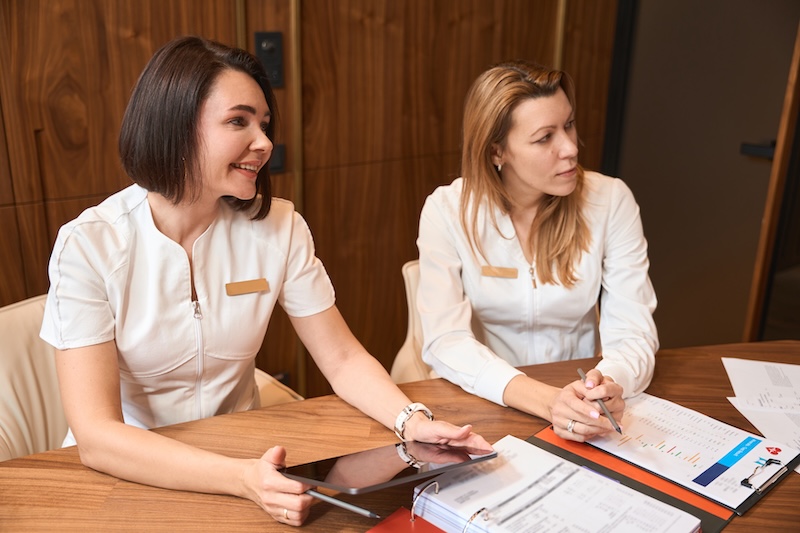
Therapists need training in communication and professional boundaries
As client needs become more complex, the role of the therapist may increasingly require communication, emotional awareness and relationship-building skills alongside technical expertise.
Respondents highlighted the need for further education around professional boundaries, emotionally demanding conversations and managing client expectations without moving beyond their scope of practice.
One self-employed therapist said, “Sustainability is a big one for me, I think it's important that therapists feel empowered to charge appropriately, limit their sessions per day if feeling overwhelmed, building appropriate recovery time and balancing the needs of their business against their own.”
The respondent added that many therapists “struggle with boundaries” and can find it difficult to refuse unsuitable clients or excessive demands.
The report recommends that professional development should extend beyond treatment techniques to include communication, reflective practice, emotional wellbeing, therapeutic relationships and healthy professional boundaries.
For salon and spa owners, this could mean reviewing treatment schedules, allowing sufficient recovery time, creating opportunities for team reflection and ensuring therapists receive support following emotionally difficult client interactions.
Hayley Snishko launches C.A.R.E. professional development programme
Snishko, who has won multiple Professional Beauty Awards and launched her Massage4MentalHealth campaign in 2022, developed the report after inviting therapists to contribute to a presentation on mental health and wellbeing within the profession.
Following the findings, she is preparing to launch the C.A.R.E. Framework, a relationship-centred programme designed to support spa teams, therapists and industry leaders.
Its four areas are:
Connect: therapeutic relationships and communication
Act: professional practice and boundaries
Restore: therapist wellbeing and sustainable practice
Elevate: leadership and professional development
The forthcoming C.A.R.E. workshops and professional development programme will help therapists build meaningful client relationships, maintain healthy boundaries and navigate complex interactions. It will also support managers in creating working environments in which therapists can thrive.
Register your interest in Hayley Snishko’s C.A.R.E. workshops and professional development programme.
You might also like: