Here’s how peptide skincare works and how to use it in professional treatments and homecare routines
With the ability to tackle practically any skincare concern, peptides are an essential in many skin professionals’ treatment toolkits.
Usually demoted below skincare superstars like retinoids and vitamin C, peptides are finally having their moment in the spotlight, as consumers have caught on to their myriad benefits.
Although well known in professional skincare circles, peptides are now gaining wider consumer attention as clients look for science-led, long-term skin health solutions.
So why exactly are peptides so important in skincare?
What are peptides?
Peptides are short chains of amino acids that act as signalling molecules in the skin. Naturally produced by the body, they help trigger processes such as collagen production, repair and antioxidant defence. They can also be created for use in topical skincare and professional treatments.
Dr Neal Kitchen, chief geneticist at skincare brand Hydropeptide, explains that peptides can be sourced from botanicals, biotechnology or recombinant technology, allowing scientists to create targeted peptide sequences that perform specific functions in the skin.
“Peptides act as signals that communicate specific activities to skin cells,” he says. “Different peptide sequences can trigger collagen production, reduce enzyme activity or support antioxidant defence systems.”
What do peptides do?
Peptides are generally grouped into four categories:
- Signalling peptides stimulate collagen production and support skin repair.
- Neuro-inhibiting peptides help soften expression lines by reducing muscle contractions.
- Carrier peptides improve the delivery of active ingredients such as vitamin C and retinol.
- Antimicrobial peptides help support the skin barrier and acne-prone skin.
Dr Kitchen notes that peptides may also support antioxidant activity either directly or by enhancing the effects of other antioxidants already present in the skin.
“One of the most exciting categories of peptides is carrier peptides because these can help enhance the delivery of active topicals into the skin, so these peptides can improve the activity of ingredients like vitamin C, retinol and hyaluronic acid,” he says.
Some of the most commonly used peptides in skincare include:
- Palmitoyl pentapeptide and palmitoyl tripeptide - mimic skin regeneration, signalling fibroblast cells to make collagen and glycosaminoglycans (GAGs).
- Arginine lysine polypeptide – acts as a "sugar trap” to prevent glycation of collagen fibres, reducing collagen degradation and therefore premature skin ageing.
- Acetyl tetrapeptide-15 – calms neuro-sensitive skin by reducing the response of sensory nerves to external triggers.
- Oligopeptide-34 – helps regulate melanin production, improving uneven skin tone and pigmentation.
- Biomimetic glutathione – an antioxidant peptide that helps defend against free radicals while supporting firmer, healthier-looking skin.
- Palmitoyl tetrapeptide, diosmin and forskolin – work together to reduce the appearance of puffiness around the eyes.
Peptides can help with skin concerns including rosacea, eczema, pigmentation, loss of elasticity, fine lines and dryness. They can also be formulated as a combination of multiple peptides for improved results.
How do you use peptides?
Peptides are often combined with ingredients such as vitamins A, C and E, hydrators and antioxidants to maximise results. Dr Kitchen says, "For effective results, products should be formulated with multiple ingredients and not rely on peptides alone." However, some combinations, such as copper peptides and vitamin C, may affect stability.
As peptides mimic molecules naturally found in the body, they are generally well tolerated, although Louis Rinaldi, chief operating officer at ABG Lab, recommends a thorough client consultation and patch testing before introducing new products or treatments.
Peptides are found in everything from serums and moisturisers to hair growth products, but formulation matters. Dr Kitchen advises choosing clinically tested products, warning that products claiming high peptide levels at very low prices are unlikely to contain peptides at effective concentrations.
Why are peptides so popular?
Growing consumer interest in ingredient-led skincare has helped drive demand for peptides.
Rinaldi says increased education and social media have made consumers more aware of evidence-based ingredients, while Dr Kitchen believes peptides align with the growing focus on long-term skin health rather than quick fixes.
How can businesses provide the best peptide treatments?
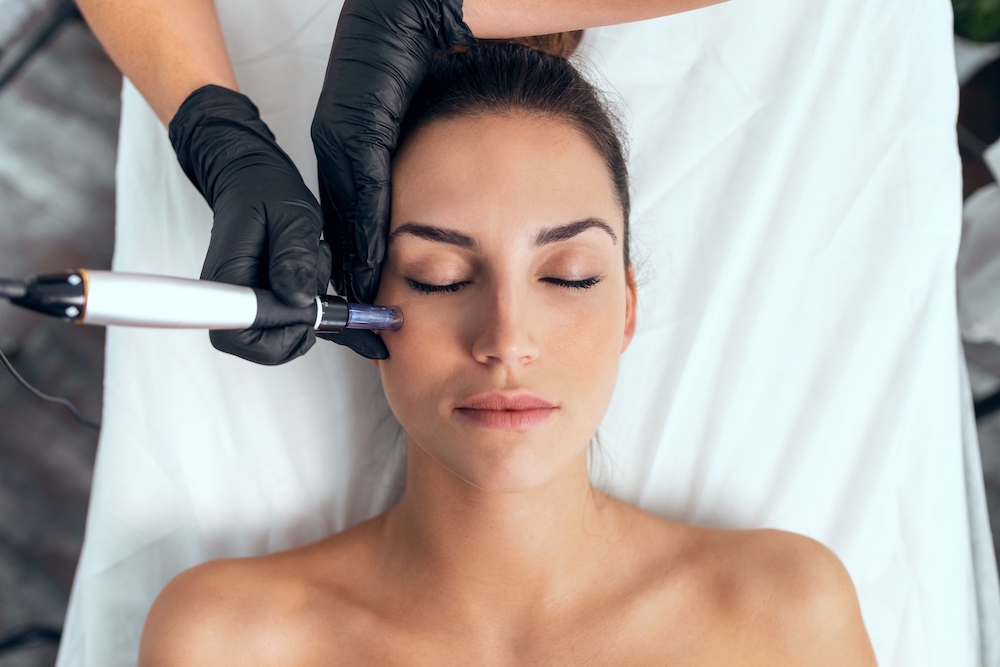
Beauty professionals can incorporate peptides into treatments such as mesotherapy, LED therapy and other device-led procedures, while retailing complementary homecare products to help maintain results between appointments.
To maximise demand, Rinaldi stresses that "patient education is key", encouraging clinics to use every communication channel to explain the benefits of peptide treatments. He also recommends pairing professional treatments with at-home products to extend results.
Evans suggests creating peptide-focused retail displays and offering treatment-and-homecare bundles to encourage upselling.
Dr Kitchen adds that investing in high-quality, clinically formulated peptide products is essential. "Peptide technology is the number-one tool we have for delivering an effective approach to long-term skin health," he says, adding that there are peptides to address virtually every skin concern.
FAQs: Peptides
At what age should clients start using peptides?
Peptides can be introduced at any age, but they're particularly beneficial from the mid-20s onwards, when natural collagen production begins to decline. They can also be used preventatively to help maintain skin health.
Can peptides be used morning and night?
Yes. Most peptide products are gentle enough to be used twice daily, although therapists should always advise clients to follow the manufacturer's instructions for specific formulations.
How long does it take to see results from peptides?
Results vary depending on the formulation and skin concern, but improvements in hydration can often be seen within a few weeks, while benefits such as firmer skin and reduced fine lines typically require consistent use over several months.
Can peptides be used after professional treatments?
Peptides are commonly incorporated into post-treatment skincare following procedures such as microneedling, mesotherapy and LED therapy to support skin recovery and enhance overall results. Always follow the treatment protocol recommended by the manufacturer or practitioner.
Who is most likely to benefit from peptides?
Peptides are suitable for a wide range of clients, including those concerned with skin ageing, dehydration, pigmentation or sensitivity. Their versatility makes them a valuable addition to many professional treatment plans.
What should beauty professionals look for when choosing peptide products?
Look beyond the marketing claims. The type of peptide, its concentration and the overall formulation all influence performance, so choosing products backed by clinical testing and reputable manufacturers is key.
Don't miss: Everything you need to know about squalane and how to reduce post-acne pigmentation and scarring