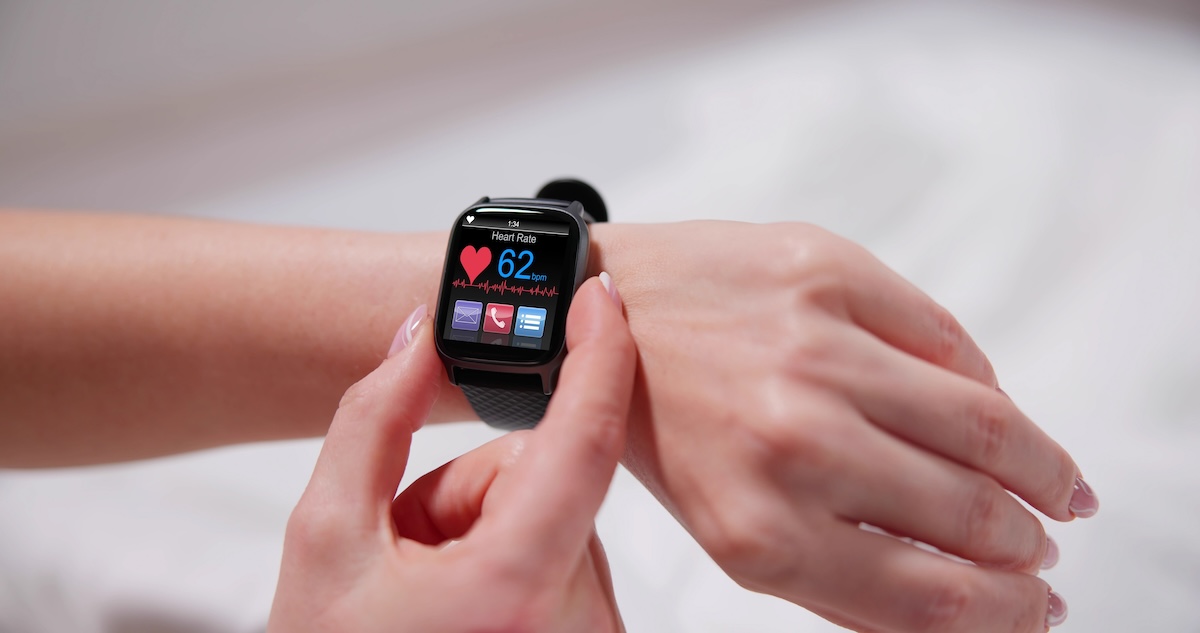
A rise in social media videos showing so-called smartwatch “tan lines” has sparked discussion around whether constant wear could be contributing to skin irritation
For salon, spa and skin clinic professionals, the trend is a reminder that everyday wearables can have an impact on the skin barrier – and that clients may raise these concerns in treatment rooms.
What is watch rot?
The term “watch rot” has been used online to describe redness, marks and rashes appearing under smartwatches and fitness trackers.
Whilst not a medical term, experts say the trend highlights a genuine skin health issue: prolonged occlusion, sweat, friction and poor device hygiene can all contribute to irritation and, in some cases, contact dermatitis.
For beauty therapists, the conversation presents an opportunity to educate clients on skin barrier health, hygiene and when to seek medical advice.
Can smartwatches cause contact dermatitis?
Smartwatches can contribute to contact dermatitis in some people – this is a type of eczema that causes an itchy, inflamed rash when the skin comes into contact with a trigger. Symptoms include itching, redness, swelling, blistering, dry or cracked skin, and burning or stinging.
Dr Sonia Khorana, GP with a special interest in dermatology, says, “In most cases, the redness, itching or rash seen beneath a smartwatch is more likely to be irritant contact dermatitis caused by a combination of sweat, moisture, friction and prolonged occlusion of the skin.”
She adds that, in some people, the reaction may instead be allergic contact dermatitis triggered by materials such as nickel or certain adhesives.
How can smartwatches irritate the skin?
According to Dr Khorana, wearing a smartwatch continuously, especially during exercise, sleep or in hot weather,“creates a warm, humid environment that can weaken the skin barrier over time.”
She adds that bacteria or yeast can occasionally overgrow on damp skin, increasing the risk of a secondary infection.
Maddie Evans, spa therapist and skin health expert at spa booking agency Spaseekers, adds, “Over time, sweat and dirt will build up and become trapped between the watch and skin" – increasing the chance of irritation and, in some cases, infection.
@jaxsonholme Average Garmin tan line! Thanks @Garmin Connects #garminwatch #tanline #fyp #xyzbca #triathlon ♬ original sound - Nolan Reid
@mlynn_strides Watch rot or art? 🤩 #running #humor #training #marathon #run ♬ original sound - Mlynn
Credit: @mlynn_strides/TikTok
What should beauty and skin therapists advise clients?
Experts share vital tips on keeping the skin barrier clean and intact:
-
Regular watch cleaning: Clean the watch and strap regularly, particularly after exercise, heavy sweating or hot weather, following the manufacturer’s instructions. Allow the device and strap to dry fully before putting it back on.
-
Wrist cleaning: “Remove the watch and wash your wrist thoroughly whilst in the shower or bath, or after a high-sweat workout. Even for people who rely on sleep or fitness tracking, removing the watch for short periods each day to allow both the skin and the device to dry can make a significant difference,” says Dr Khorana.
-
Moisturise: “If you already feel your watch wear may have resulted in contact dermatitis," says Evans. "Finding a fragrance-free moisturiser and using it regularly on the affected area will help soothe the skin and repair the skin’s moisture barrier.”
-
Promote good skin health: “For spa and skin therapists, this presents a valuable opportunity to educate clients/patients about maintaining a healthy skin barrier”, Dr Khorana explains.
“If a client presents with irritation beneath their watch, advise them to temporarily stop wearing it until the skin has healed, keep the area clean and dry, avoid fragranced products on the affected skin, and consider whether the strap material may be contributing to the problem. Silicone straps, while popular, can also trap sweat if not cleaned regularly” -
Take time off from tracking: Evans adds that taking short breaks from smartwatch wear can benefit both skin health and overall wellbeing, particularly for clients who feel overly tied to tracking data.
When should clients seek medical advice?
Dr Khorana says, “if the rash is severe, spreading, painful, blistering, producing discharge, or fails to improve after removing the watch for several days, you should seek medical advice.
"Persistent rashes should always be assessed to rule out allergy, infection or another underlying skin condition.”
You might also like: