Beauty retailer boots has released its sixth annual Trends Report. Using exclusive data from over 17 million active Boots Advantage Card holders, combined with in-house expertise and analysis, the report reveals the biggest trends set to shape the beauty and wellness industries in the year ahead
Presenting beauty and wellness insights together for the first time, the report highlights how wellness is now firmly embedded in consumers’ routines.
In fact, Boots’ findings revealed that 40% of consumers view wellness as an essential aspect of their beauty regime, while 84% shared that they look better when they feel well.
These findings coincide with the arrival of 20 trending new beauty and wellness brands at Boots, reflecting the growing shift towards holistic, health‑focused beauty.
Grace Vernon, head of Boots Ignite, Foresight & Trends at Boots said, “In 2026, you won’t be able to talk about beauty without talking about wellness. The boundaries between looking good and feeling good are not just blurring, but dissolving entirely.
“It’s an incredibly exciting time: the pace of innovation continues to accelerate, with more trends, brands, products and ideas than ever before.
“At the same time, consumers are becoming increasingly educated, informed and curious – not just about what’s new, but what actually works for them and will elevate their routines accordingly. In response, we’re blending our health expertise with beauty-know-how in a way only we can at Boots.”
The Boots Beauty & Wellness Trends Report 2026 outlines six overarching trends built from research, data and expertise.
Trend one: Pursuit of peak
According to research by Boots, beauty and wellbeing routines are becoming supercharged by new technologies designed to elevate the everyday:
- AI and personalisation reshape how people shop, with 64% of UK adults now using AI search tools to guide beauty purchases, and 82% actively seeking personalised solutions.
- Innovation in wearable wellness devices is accelerating demand for self-improvement as beauty tech booms.
Trend two: Project preservation
Boots’ second trend forecast asserts that a holistic approach to ageing is the new gold standard, as consumers focus on extending youth by future-proofing their health:
- 60% of consumers report healthy ageing is top priority, whilst 80% of adults are adopting a preventative approach to their beauty routines, prioritising consistent, long-term care and maintenance over reactive solutions.
- New research from No7 found the thirties are a pivotal decade as visible aging accelerates by up to 50% – with 80% of people in their 40s regretting not using skincare earlier.
- As ageing is reframed as modifiable, 43% of consumers no longer view ‘tweakments’ as taboo, alongside a marked rise in ‘treatment tourism, ‘brotox’ and clinic-inspired skincare.
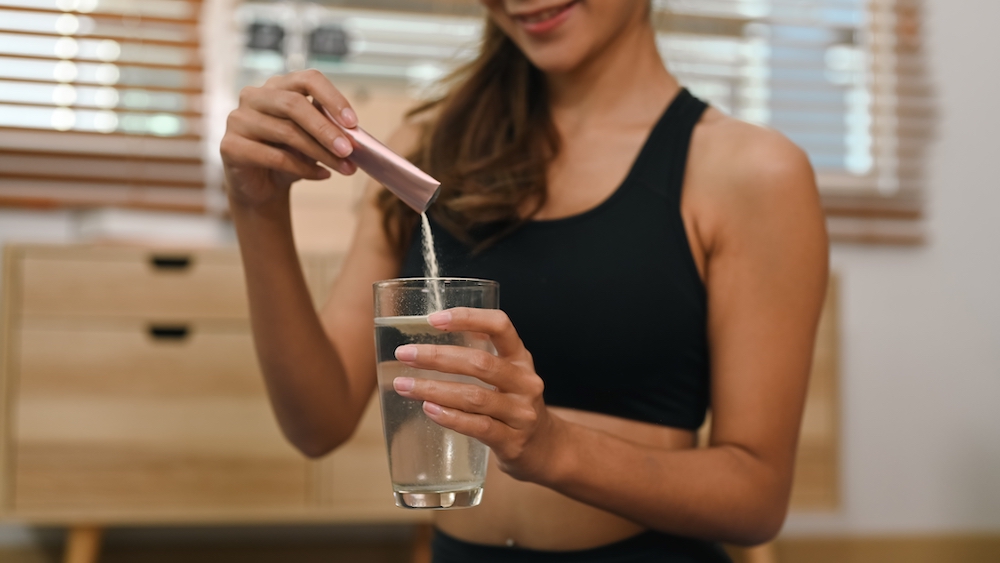
- Collagen sales are up 62% YOY at Boots, as searches for ‘marine collagen’ on boots.com grew 277% YOY with collagen among the top 20 most searched-for items.
Trend three: Real life revival
In an increasingly digital world, consumers are craving connection and brands with personality are beating the algorithm:
- Founder‑led and personality‑driven brands are winning trust, with 60% of consumers prioritising brands whose values align with their own, and 43% trusting companies more when founders are active on social media.
- Real expertise is reshaping influence, as consumers turn to MUAs, dermatologists, trichologists and founders. A third follow beauty experts on social media, and a third have acted on their advice.
- Shopping has become the new experience economy as 46% of shoppers seek immersive, entertainment-driven retail, including pop-ups, collabs and community building events.
Trend four: World class beauty
Global trends and international brands are surging as consumers seek out the best the world can offer:
- UK consumers are embracing global trends, with 65% purchasing products from an international brand in the past six months.
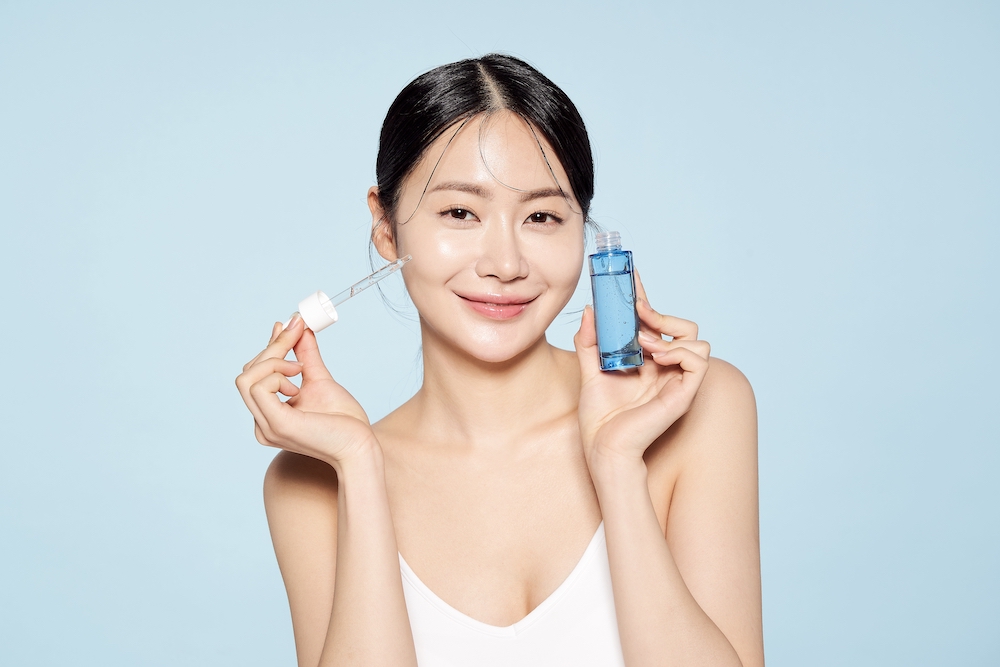
- K-Beauty is accelerating fast at Boots, with a fivefold increase in sales and a Korean skincare product selling every 11 seconds last year. The category is set to expand into new areas in 2026, including K-Fragrance, K-Haircare and K-Pharmacy.
- Global influences are transforming Brit’s routines, from Ayurvedic-inspired Indi–Beauty and Scandinavian wellness rituals, to the rise of regional ingredients like Japanese raw honey and Middle Eastern oud.
Trend five: Chemistry of joy
Consumers seek emotional uplift through chemical reactions: psychodermatology, neurocosmetics, and micro-moments of joy:
- Beauty and wellness become tools for mood-regulation: emerging psychodermatology and neurocosmetics is using sensory cues to activate the skin-brain axis – with 1 in 2 people willing to swap their go-to beauty products for mood-enhancing alternatives.
- Play and sensorial formats are redefining beauty, as whimsical design, transportive scent and collectibles culture drive demand, with 55% of consumers purchasing a beauty collectible or limited edition in the past year.
Trend six: Resilient routines
Beauty and wellness regimes are adapting to help build resilience mentally, physically and dermatologically:
- Stress regulation is becoming a core focus of modern routines, with consumers opting for adaptogens such as ashwagandha and ginseng, and nootropics like L-theanine, magnesium and lion’s mane. Boots noted a 400% increase in customers buying adaptogens YOY.
- Volatile environments are fuelling demand for protective beauty as people adapt to shifting temperatures, pollution and UV levels – with 57% willing to pay more for products offering climate/pollution defence and UV-index content surpassing 315M views on TikTok.
- Skin stability is front of mind, with 47% of consumers adapting their routine due to environmental factors, and flare-ups reported linked to temperature changes, pollution and high pollen.