Spa and wellness trends for 2026: what professionals need to know
As we move into 2026, spa and wellness trends are shifting away from hype-driven concepts and towards evidence-based, personalised and outcome-focused experiences.
New insights from spa operators, wellness scientists, nutritionists and booking data reveal a clear direction of travel: guests want meaningful results, transparency and wellbeing strategies that fit into real life.
For spa and wellness professionals, this signals both opportunity and responsibility, as consumers become more educated, sceptical and intentional about where they invest their time and money.
Below, we break down the key spa and wellness trends defining 2026.
Evidence-based wellness replaces empty hype
One of the strongest overarching trends for 2026 is the industry’s move away from vague promises and viral fads, towards measurable outcomes and scientific credibility.
Elissa Corrigan, founder of science-led supplements brand Elle Sera, describes this as a “credibility reset” across wellness.
“Consumers are no longer impressed by big claims without proof. In 2026, delivery science will be what separates serious brands from the rest.”
This shift is being driven by increased scrutiny from both consumers and regulators.
Corrigan notes that being “natural” is no longer enough, with brands now expected to demonstrate safety, efficacy and measurable results, particularly within beauty-from-within and longevity categories.
Longevity ingredients such as NAD+ are attracting interest, but not blind acceptance. As Corrigan explains, “The concept of longevity is exciting, but the science, accessibility and regulation aren’t quite there yet for mass adoption. Consumers are starting to ask harder questions.”
For spa professionals, this growing demand for evidence has implications across treatments, retail, messaging and staff education.
Sustainability becomes non-negotiable, not a selling point
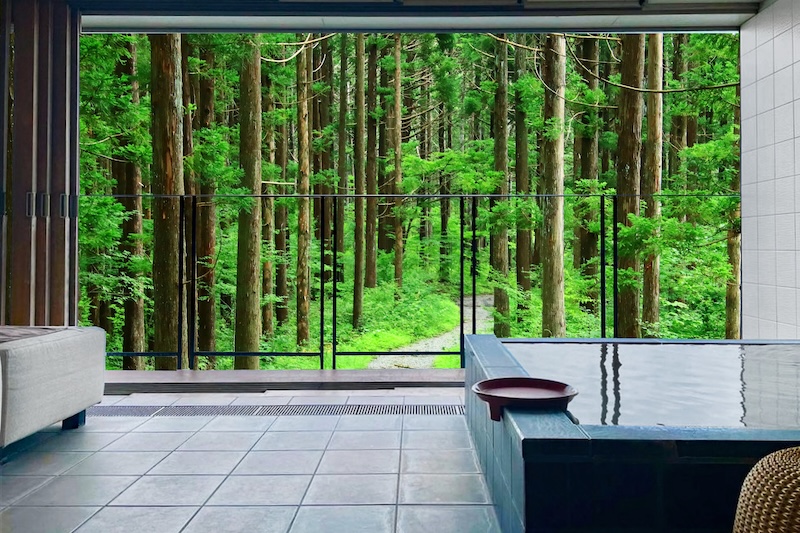
Sustainability remains a defining theme for 2026, but the focus is shifting from marketing claims to operational transparency and genuine environmental commitment.
According to Warrick Burton, managing director of Titanic Spa, eco-conscious guests are now actively looking for proof.
“Sustainability isn’t a marketing add-on for us – it’s embedded in every aspect of our operation.”
Burton highlights growing expectations around carbon footprints, water usage, local sourcing and regenerative practices, adding that guests are increasingly alert to greenwashing.
“We believe in creating a sanctuary that nurtures both your wellbeing and the planet, and in 2026, guests will increasingly demand this level of genuine environmental commitment rather than greenwashing.”
For spas, this means sustainability must be woven into infrastructure, supplier choices and guest communication, rather than treated as a bolt-on initiative.
Mental wellbeing and nervous system regulation take centre stage
Rising stress and burnout are driving demand for therapies that support emotional regulation, nervous system balance and mental resilience, both in-spa and at home.
Burton predicts that mental wellness offerings will expand significantly, with cold water therapy, meditation spaces and stress-reduction treatments becoming standard rather than premium.
“The modern guest is investing in their wellbeing, not just booking a break.”
This aligns with wider wellness data showing sharp rises in searches for nervous system regulation, sleep hygiene and mindfulness-based practices.
Penny Weston, wellness expert and director of Moddershall Oaks, notes, “Mindfulness and mental fitness will continue to grow, with more focus on emotional resilience, nervous system regulation and recovery practices.”
For spa operators, this trend supports the integration of quiet spaces, sleep-focused experiences, breathwork, gentle movement and recovery-led thermal journeys.
Heat, ice and the social sauna renaissance
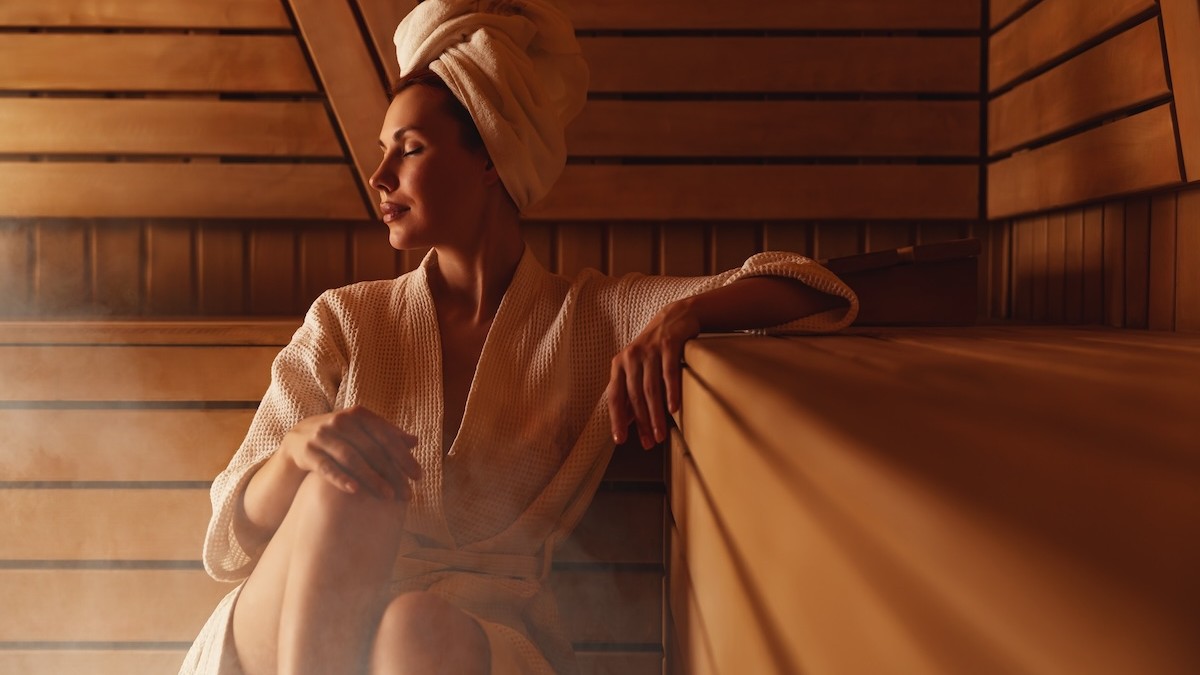
Thermal experiences are returning to their roots as social, cultural and physiological rituals.
Saunas, steam rooms and contrast therapy are seeing renewed popularity, particularly among younger demographics who prioritise health-enhancing social experiences over alcohol-led socialising.
“We’re seeing a fundamental shift in how people socialise and prioritise wellness,” says Burton.
“Younger generations are choosing meaningful, health-enhancing experiences over a sore head in the morning.”
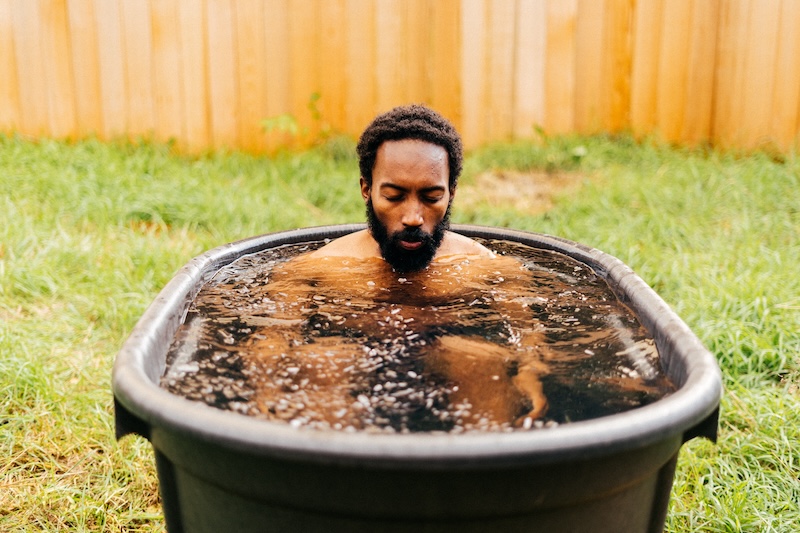
Contrast therapy – alternating between heat and cold – is also moving from social media trend to mainstream expectation.
“Guests are becoming more sophisticated in their wellness knowledge,” Burton explains.
“They’re seeking evidence-based treatments like contrast therapy that offer genuine physiological benefits.”
Search data from Spaseekers supports this, with thermal spas, sauna and steam experiences continuing to trend strongly into 2026.
Personalisation and data-driven spa experiences
Personalised wellness is becoming central to spa programming.
In 2026, spas are increasingly expected to offer tailored experiences based on individual needs, using health questionnaires, lifestyle assessments or data from wearables.
This mirrors broader wellness trends towards AI-guided nutrition, personalised exercise plans and tech-supported recovery. Weston predicts that, “In 2026 we’ll see self-care become even more personalised and tech-supported, blending science with practical routines.”
For spa professionals, this opens opportunities to develop bespoke wellness journeys, longer-term programmes and targeted treatment pathways that move beyond one-off visits.
Precision nutrition and beauty-from-within go mainstream
Beauty-from-within remains a key pillar of wellness in 2026, but the focus is shifting to bioavailability, delivery science and targeted outcomes.
Professor Mohammad Najlah, professor of pharmaceutics and nanomedicine, highlights a fundamental change in how collagen is understood.
“The concept of collagen ‘types’ is misleading once collagen is ingested. What matters is the exact tripeptide sequence and whether it can be absorbed and used by the body.”
Advances in peptide precision and delivery technology are enabling earlier, more measurable improvements, particularly in skin hydration and radiance.
“When specific bioactive tripeptides are delivered in an absorbable form, changes in skin hydration and radiance can be seen much earlier.”
This scientific rigour is resetting consumer expectations around speed, consistency and proof, reinforcing the move towards pharmaceutical-level standards in wellness.
Stress biology reshapes skin and wellness strategies
Stress is no longer viewed as a lifestyle side-effect, but as a core biological driver of skin ageing, inflammation and impaired repair.
Registered nutritionist Dale Pinnock explains that chronic stress rapidly depletes key nutrients such as magnesium, impacting collagen production, sleep and nervous system balance.
“Stress has a direct biochemical impact on the body. It rapidly depletes nutrients like magnesium, which are essential for collagen production, skin repair and nervous system balance.”
As a result, wellness strategies in 2026 are focusing on calming the nervous system and supporting internal regulation as the foundation of visible skin health.
This trend supports the growth of precision nutrition, where the form of a nutrient is matched to a specific physiological outcome.
“Different forms of the same nutrient can behave very differently in the body. Matching the right form to the right outcome is where nutrition is heading,” says Pinnock.
High-tech meets heritage: spa treatments defining 2026
Search data from Spaseekers reveals that 2026 is a year of contrasts, where high-tech biohacking sits alongside traditional and botanical therapies.
Among the fastest-rising spa treatments and experiences are Korean glass skin facials, biohacking spas, cactus massages, menopause-focused treatments and buccal massages.
Maddie Cridge, spa therapist at Spaseekers, explains the appeal of glass skin facials: “Glass skin facials are part of a long-term skincare approach, using gentle yet effective ingredients.”
Meanwhile, biohacking is gaining traction as spas integrate infrared heat, LED light therapy and frequency-based stimulation.
“Biohacking isn’t about relaxation alone, it’s about enhancing bodily systems at the deepest level.”
Treatments tailored to menopause, sleep, longevity and recovery are also rising, reflecting a broader move towards life-stage-specific spa experiences.
The big picture for spa professionals
Across every category – sustainability, treatments, nutrition, technology and mental wellbeing – the spa and wellness trends of 2026 point in the same direction: credibility, personalisation and long-term value.
Guests are no longer chasing the next big thing; they’re investing in practices that support real health, resilience and balance. For spa and wellness professionals, success in 2026 will depend on education, transparency and the ability to deliver experiences that feel both luxurious and meaningful.