When nails start to split or peel, the right approach matters. Three nail specialists share practical guidance on protecting the natural nail, supporting recovery and advising clients long term.
When it comes to nail health, peeling and splitting nails are a common concern. From working safely to prevent further damage and the treatments to avoid, to nail strengthening ingredients and supplements, we spoke to three nail artists who specialise in nail health and natural nails to get the lowdown.
What are the most common causes of peeling and splitting nails?
Peeling and splitting nails can occur for a number of reasons. Common causes include:
- Dehydration and frequent water exposure
- Contact with chemicals and cleaning products
- Repeated use of hand sanitiser
- Ageing or hereditary nail structure
- Nutritional deficiencies or certain medications
Hollie Harkman, a home-based beauty technician who specialises in BIAB and natural nails, explains, “Coming into contact with chemicals and prolonged exposure to water are the key contributing factors to severely dry and dehydrated nails that I personally see.”
This could include using cleaning products without gloves, frequent use of hand sanitiser and chemicals found in professional hair products. As a result, hairdressers, cleansers and nursery staff are the clients Harkman sees most affected.
However, weak nails aren’t always a result of external factors. “This can be a normal part of ageing, hereditary, or caused by nutritional issues or medications,” notes Julie Kandalec, NYC celebrity manicurist and educator.
You may also hear the terms onychoshizia and onychorrhexis used when discussing nail damage. Onychoschizia describes brittle, flaky or peeling nails, typically affecting the free edge in horizontal layers, while onychorrhexis refers to vertical splitting or deep ridges that run from the base of the nail to the tip.
While not all cases of peeling or splitting nails fall neatly into these categories, understanding the terminology can help professionals identify likely causes and determine the most appropriate approach to treatment, protection and ongoing nail care.
How professionals can safely work on peeling or splitting nails
To prevent further damage to peeling or splitting nails, selecting the correct nail file is key.
“Using a file that is too coarse on the free edge will split the nails instantly – never use one that is lower than a 240 grit on the free edge,” stresses Kandalec. Instead, she recommends a glass nail file, which has a very fine grit and will “seal” the nail, by smoothing the keratin layers.
“If doing a nail enhancement (hard gel, gel polish, acrylic etc) using a grit that is coarser (180 grit) on the nail product itself is fine – but then must be switched to a finer grit one (240 grit, 320 grit) once the natural nail is exposed,” she adds.
When it comes to filing the nails, Jessica White, award-winning nail artist, beauty creator, and founder of Blanc Studio Leeds, says that the key is a light touch. “Avoid aggressive filing and keep shaping minimal,” she advises.
Which professional nail treatments help repair peeling or splitting nails?
If a client is suffering with weak, splitting nails, a light builder gel or strengthening overlay can work wonders, according to White. For clients sceptical about gel polish, she suggests explaining it as “scaffolding while the natural nail grows out”.
Meanwhile, for surface peeling, a gentle buff followed by a restorative base coat helps smooth the plate without stressing it further.
Another nail repair treatment option for problematic, dry nails is IBX, which is a professional-only nail treatment. “IBX works by bonding & repairing the nail plate layers using serums applied directly to the nail plate combined with gentle heat to allow the product to penetrate deeply,” Harkman explains. “This service can be carried out on its own or prior to a gel manicure.”
The best ingredients to look for in nail strengthening products?
White explains that when guiding your clients to nail strengthening products, you want to look for ingredients that will promote both strength and flexibility, because strong, but brittle, nails will break just as easily.
“I look for keratin, peptides, and amino acids as these are ingredients that support the nail’s natural structure rather than making it rigid,” she says. “Other conditioning oils like jojoba also penetrate deeply and keep the nail flexible.”
How long does it take for weak, damaged nails to recover?
The recovery time of damaged nails depends on the cause of the damage. For example, Kandalec explains that if it is hereditary, the nails won’t “recover” – but you can protect them through services like BIAB to help prevent further splitting.
If the damage has been caused due to dehydration, or improper removal of previous nail services, full recovery can take 3-6 months, according to Harkman. However, improvements can be seen in a few weeks, with the reduction of exposure to chemicals and water, plus increased hydration.
Top tips for nail health from leading nail professionals
We asked each expert to share their biggest piece of advice to help prevent peeling and splitting nails, and here’s what they said…
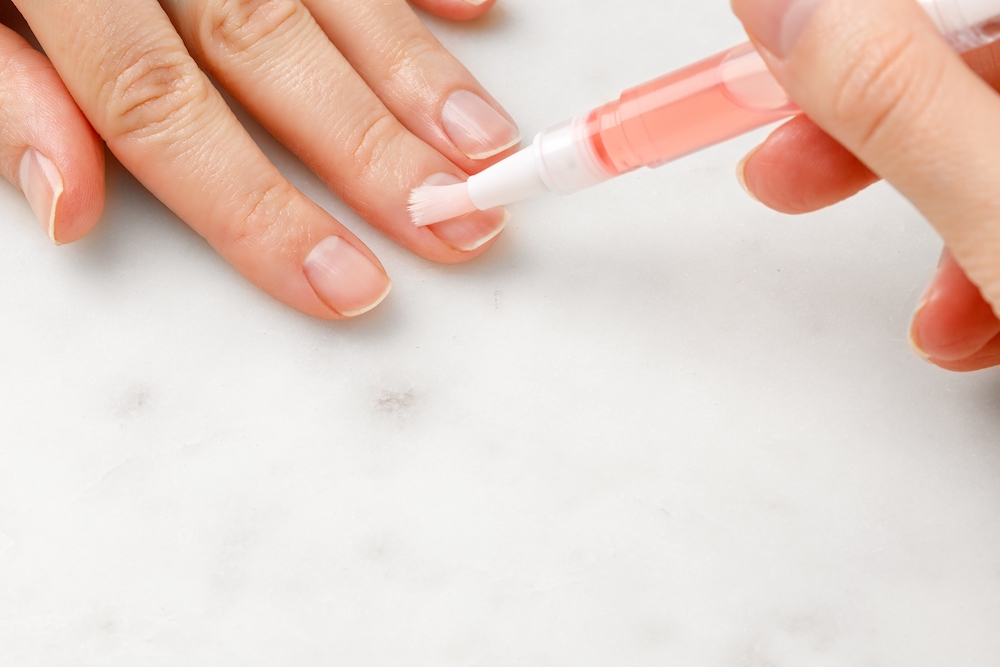
“Consistency with hydration,” says White. “A good cuticle oil used daily protects the nail plate far more than people realise. Well-nourished nails bend instead of break, and that’s the real secret to keeping them strong long-term.”
“Remember that sometimes you cannot "prevent" it if it's with age or hereditary – but you can help your clients remedy it,” explains Kandalec.
“It’s hard to pick just one,” admits Harkman. “I would advise applying cuticle oil every day, as it makes nails less brittle, but also to stay hydrated from the inside out, and make sure your clients don’t pick their gel off.”
Peeling and splitting nails require a balance of protection, hydration and realistic client education. While some causes, such as genetics or ageing, cannot be reversed, professional treatments combined with daily oil use and reduced chemical exposure can significantly improve nail resilience over time.
Nail health FAQs
Which nail services should be avoided on damaged nails?
“Nail services should avoid harsh abrasive buffing and filing. Taking a break from extensions and enhancements could be a consideration as these require heavier etching of the nail plate for adhesion,” says Harkman.
Are there any quick fixes to help strengthen nails?
“Daily cuticle oil is the fastest fix, as hydration alone makes a huge difference,” adds Harkman. “Reducing exposure to water, wearing gloves for chores, and avoiding picking or peeling polish will help the nails stabilise. As well as this, a gentle strengthening base coat is great for building resilience quickly.”
Can supplements like biotin or collagen make a noticeable difference to nail health?
“They can help, but the results vary from person to person,” notes White. “I see the best improvements when supplements are paired with topical hydration. Biotin, collagen, and omegas often support overall nail quality, but they’re never an overnight fix.”
You might also like:
- Professional nail prep guide: how to clean, shape and buff for a perfect manicure
- How to prevent contact allergies
- How to choose the right speed and grit for your e-file