
Astaxanthin is gaining attention for its multi-layer antioxidant protection, barrier support and anti-ageing properties
Experts reveal how this ingredient works topically and orally to enhance skin health and defend against environmental stressors.
What is astaxanthin and where does it come from?
Astaxanthin is a naturally occurring red-orange carotenoid antioxidant, primarily produced by microalgae such as Haematococcus pluvialis. It is also found in lower concentrations in red seaweed (Rhodophyta) and gives salmon, shrimp and flamingos their signature pink hue.
Candice Gardner, education manager at Dermalogica UK, explains, “In skincare, it’s celebrated for its ability to help defend the skin against oxidative stress caused by UV exposure and pollution.”
Debbie Thomas, founder of D. Thomas Clinic and Cellis skincare, adds, “In skincare, it’s sourced directly from this algae for use in creams, serums and gels.”
How astaxanthin is sourced and stabilised
For professional skincare use, astaxanthin is most commonly derived from sustainably cultivated microalgae grown under controlled conditions. The pigment is carefully extracted and stabilised to preserve potency and colour integrity, often via encapsulation methods such as liposomes, nano-emulsions or polymers.
“Opaque or airless packaging is essential to maintaining ingredient integrity,” notes Thomas.
This careful sourcing ensures the ingredient is vegan, traceable and renewable – aligning with responsible formulation practices in modern skincare.
What sets astaxanthin apart from other antioxidants?
Astaxanthin’s unique molecular structure allows it to span both the lipid and aqueous layers of cell membranes, providing broader antioxidant coverage than vitamin C or E.
Gardner explains, “Vitamin E can protect the lipid cellular membrane structures whilst vitamin C provides aqueous antioxidant defense in surrounding areas. They can work collaboratively, however astaxanthin offers an all-in-one solution.”
Thomas adds, “Astaxanthin sits across the skin’s lipid membranes and neutralises the reactive oxygen species that kick off UV and pollution damage right at the cause. That placement gives it strong singlet-oxygen quenching, steady performance and less sting.”
This makes astaxanthin highly effective at protecting DNA, reducing oxidative stress and maintaining skin resilience.
How astaxanthin works in the skin
Astaxanthin integrates into cell membranes, neutralising free radicals before they can damage lipids, proteins or DNA. Beyond its antioxidant activity, it acts as a signalling molecule, influencing pathways involved in inflammation, collagen synthesis and cellular repair.
“By reducing that oxidative ‘spark’, it helps keep keratinocytes and fibroblasts calmer, supports collagen preservation, and maintains a stronger, more resilient barrier,” says Thomas.
This mechanism explains its broad benefits, from maintaining hydration to supporting barrier integrity and elasticity.
Skincare benefits of astaxanthin
Astaxanthin offers a wide array of benefits, particularly for oxidative-stress-related concerns:
- Anti-ageing: Helps reduce fine lines, improves skin elasticity and supports collagen and elastin.
- Barrier support: Enhances hydration and overall skin comfort.
- Calming effect: Reduces redness and environmental reactivity.
- Radiance and tone: Supports even skin tone and diminishes dullness.
Gardner summarises, “Regular use can help improve the appearance of fine lines, dullness and uneven tone. It also supports barrier integrity, which helps skin maintain moisture and bounce.”
Clinical evidence and research
Several clinical studies support astaxanthin’s effectiveness. Human trials have shown improvements in elasticity, smoothness, hydration and visible signs of photoageing.
A notable 10-week study by Ito et al. demonstrated that oral supplementation with 4mg of astaxanthin improved minimal erythema dose (MED) and reduced moisture loss, while also enhancing texture and roughness in non-UV-exposed skin.
Lorraine Perretta, head of nutrition at Advanced Nutrition Programme, highlights, “Astaxanthin reduces collagen and elastin breakdown, plus protects, promotes and retains collagen and elastin – the key skin structures.”
Meta-analyses also suggest that oral supplementation may offer a more sustained impact than topical application, particularly for elasticity and overall skin resilience.
Who can benefit from astaxanthin?
Astaxanthin is generally suitable for all skin types, especially those concerned with:
- Premature ageing
- UV or pollution exposure
- Sensitive or reactive skin
- Menopausal skin or barrier fragility
“It’s a great choice for menopausal, stressed or urban skin,” says Gardner.
Thomas notes its particular value for photo-exposed, reactive, or barrier-fragile skins, saying it’s “great for ‘city skin’, frequent flyers and retinoid-sensitive clients”.

Incorporating astaxanthin into professional treatments
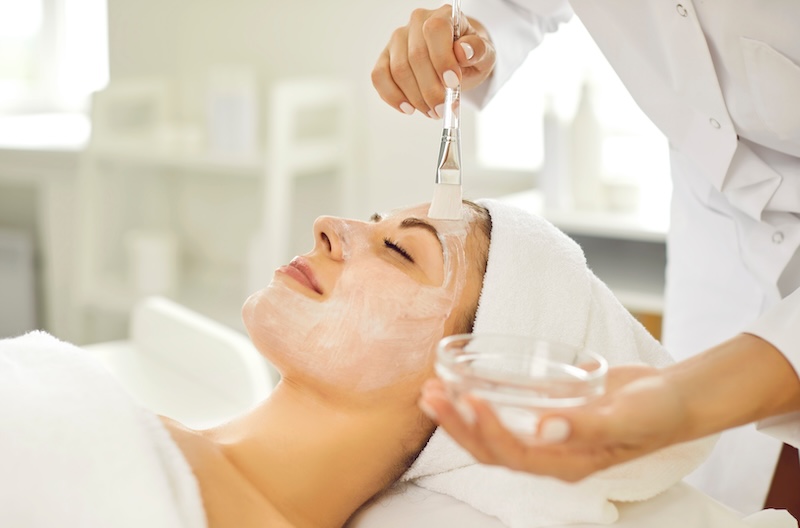
Astaxanthin can be introduced in antioxidant-boosting phases of facials or as a post-treatment finish to reinforce barrier recovery. It pairs synergistically with red LED therapy and should generally be applied after heat-based procedures like radiofrequency to avoid degradation.
“Position it as part of a ‘defense and recovery’ focus within treatment offerings. Ideal for skin exposed to pollution, blue light or UV,” says Gardner.
Pairing with other actives, such as vitamins C and E, peptides, hyaluronic acid and retinol, enhances overall skin resilience.
Homecare recommendations
Astaxanthin is most effective in leave-on formulations like serums, moisturisers, and targeted treatments.
Thomas advises, “Daily use, morning and evening, sets expectations at 8-12 weeks for visible changes in elasticity, TEWL and texture.”
Morning application offers protection from environmental stressors, while evening use supports repair and regeneration during natural skin renewal cycles.
Oral supplementation for skin health
Oral astaxanthin supplementation provides systemic antioxidant support. A daily dose of 4mg is supported by clinical studies and is best taken with dietary fats to enhance absorption.
Combining astaxanthin with other nutrients, such as omegas, antioxidants and probiotics, can further optimise skin benefits.
“We have seen initial improvements begin in the first four weeks, with continued improvements in elasticity over longer consumption,” says Perretta.
The future of astaxanthin in skincare
With increasing awareness of oxidative stress and environmental damage, astaxanthin’s relevance is expected to grow in both professional and consumer skincare.
Its multi-layered antioxidant action, barrier support and compatibility with other actives make it a must-have ingredient for treatments, homecare and supplementation protocols.
“As the focus on oxidative stress and environmental stressors continues, astaxanthin’s multi-dimensional antioxidant benefits and natural origin make it increasingly relevant for both professional and retail formulations,” concludes Gardner.
Astaxanthin FAQs
What is astaxanthin and how does it work for the skin?
Astaxanthin is a naturally occurring red carotenoid antioxidant derived from microalgae (Haematococcus pluvialis). It works by neutralising free radicals, protecting DNA, supporting collagen and elastin, and maintaining barrier integrity. This helps reduce fine lines, improve elasticity, and enhance overall skin resilience.
What are the main benefits of astaxanthin for skincare?
Astaxanthin supports anti-ageing, barrier repair, hydration, and even skin tone. It helps calm redness, protects against UV and pollution damage, and improves skin elasticity and firmness. Clinical studies show improvements in wrinkles, texture, and transepidermal water loss (TEWL) with consistent use.
Can astaxanthin be used on all skin types?
Yes. Astaxanthin is generally well-tolerated across all skin types, including sensitive and barrier-fragile skin. Those with known sensitivities to algae or carotenoids should patch-test first. It’s particularly beneficial for photo-aged, urban, or stressed skin.
How should astaxanthin be applied in homecare routines?
Astaxanthin is most effective in leave-on products such as serums, moisturisers, or eye creams. It can be used both morning and evening. Morning use provides antioxidant protection from environmental stressors, while evening use supports repair and regeneration. Daily application for 8-12 weeks typically shows visible improvements.
Can astaxanthin be used alongside other skincare actives?
Yes. Astaxanthin pairs well with vitamins C and E, peptides, hyaluronic acid, niacinamide, retinol and ceramides. These combinations enhance barrier function, antioxidant coverage, and collagen support. Avoid very low-pH peels immediately before use to prevent degradation.
How is astaxanthin incorporated into professional treatments?
Astaxanthin can be added during antioxidant-boosting phases of facials or applied post-treatment to reinforce barrier recovery. It works synergistically with red LED therapy, micro-current, and non-ablative energy treatments, supporting calm, resilient skin without interfering with active procedures.
Are there oral astaxanthin supplements for skin health?
Yes. Oral supplementation (typically 4 mg per day) supports systemic antioxidant defence, improves skin elasticity, hydration, and reduces UV-induced damage. Taking it with dietary fats improves absorption, and combining it with omegas, antioxidants and probiotics can enhance overall skin benefits.
How soon can users see results from astaxanthin?
Topical improvements in hydration, radiance, and barrier function can appear within 4–6 weeks of consistent use. Oral supplementation studies show visible improvements in elasticity and texture in 4–12 weeks, with continued benefits over longer-term use.
Is astaxanthin safe for long-term use?
Astaxanthin is safe for long-term use in skincare and supplementation for most people. Those under medical supervision or taking medication should consult a healthcare practitioner before starting oral supplements. Topical formulations are generally well tolerated with minimal risk of irritation.
What should professionals look for in a quality astaxanthin product?
Look for naturally derived, stabilised astaxanthin with encapsulation (liposomes, nano-emulsions) and opaque or airless packaging to preserve potency. Consistency, supporting antioxidants, and realistic concentrations (0.01–0.1% for leave-on products) are more important than percentage alone.
You might also like:

square.jpg)