Chronic stress is accelerating skin ageing through inflammation, barrier breakdown and collagen loss – here’s what every beauty professional needs to know
Chronic stress doesn’t just affect the mind; it also changes the skin at a cellular level. As clients juggle increasingly demanding lives, understanding the link between stress, inflammation and premature ageing has become essential for every skincare professional.
The science of stressed skin
Stress may start in the mind, but its effects quickly show on the skin. Consultant dermatologist at Sk:n Clinics, Dr Aiza Jamil, explains that prolonged stress sets off a cascade of inflammatory reactions.
“Chronic stress triggers sustained release of cortisol and inflammatory mediators, disrupting normal skin homeostasis,” she explains. “This slows barrier repair, increases sensitivity and accelerates the breakdown of collagen and elastin through activation of matrix metalloproteinases (MMPs).”
This process of low-grade, persistent inflammation is what experts now call inflammageing, and it’s a key driver of premature ageing.
“Persistent inflammation and oxidative stress gradually weaken the skin’s structural proteins and repair mechanisms,” says Dr Jamil. “This amplifies fine lines, sagging, dullness and loss of elasticity, accelerating visible ageing beyond natural chronological processes.”
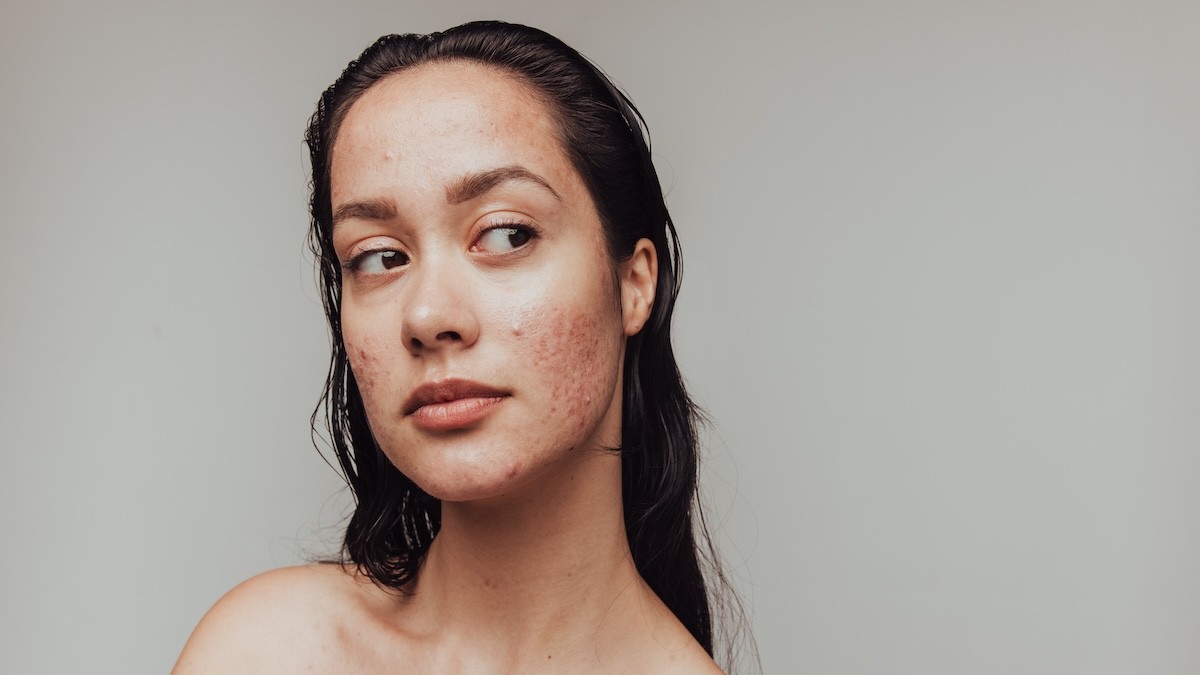
In clinic, this shows up as flare-ups of chronic conditions. “I often see acne, eczema, psoriasis and rosacea worsening in patients who are under prolonged stress,” Dr Jamil adds. “These conditions are aggravated by inflammation, impaired immunity and a weakened skin barrier.”
How stress breaks down the skin barrier
A compromised barrier lies at the heart of most stress-related skin issues. “The skin barrier acts as the body’s first line of defence,” says Dr Jamil. “Under chronic stress, cortisol slows lipid synthesis and barrier repair, increasing transepidermal water loss. This leaves the skin more prone to dryness, irritation and inflammation.”
For therapists, this means that barrier repair, not exfoliation or resurfacing, should be the starting point.
Skin expert and educator Rachel Stevens, founder of Skin Health Studio in Cambridgeshire, sees the same pattern. “Stress hormones trigger reactions that influence the immune system, increasing inflammation,” she explains.
“Cortisol can slow wound healing by up to 40%. Over time, this chronic inflammation leads to free radical damage, pigmentation and the breakdown of dermal proteins – what we call inflammageing.”
Stevens adds that hormonal transitions such as menopause can magnify the problem: “Hormonal fluctuations already make the skin more vulnerable. When combined with stress, it can accelerate collagen breakdown and impair the skin barrier.”
Identifying stress-related skin changes
Spotting stress-related skin changes isn’t always straightforward, but a detailed consultation can reveal key patterns.
“I make it a priority to understand how my clients experience and manage stress, their sleep quality and any hormonal changes,” says Stevens.
“Getting to know them personally gives insight into the root cause of their skin concerns. I’m also a big believer in Eastern facial analysis – for example, breakouts around the jawline or temples can be a strong indicator that stress is playing a role.”
Clinical facialist Kate Kerr, founder of Kate Kerr London, based at Agua Spa, Sea Containers London, agrees that consultation is critical. “When assessing if skin issues are stress-related, we look at the whole picture – sleep, workload, emotional stress, exercise and diet,” she explains.
“Sometimes it isn’t obvious at first, so we regulate cell processes, control sebaceous gland activity and optimise cell function to make the skin more tolerant over time.”
Calm before correction
In the age of instant results, both facialists emphasise the importance of a gentle approach. “In the early days of my career, I thought the best way to tackle challenging skin conditions was to go in all guns blazing with high percentage actives,” says Stevens.
“But experience has taught me that the key is to always treat the inflammation first. Inflammageing is a slow, accumulative process – when stress and inflammation are involved, the skin often needs a gentler, more supportive approach.”
She focuses on treatments that calm and repair before introducing stronger actives. “I use guided inhalation, facial massage and aromatherapy to support the nervous system alongside skincare. Once the skin is balanced and resilient, we can safely introduce more active ingredients for long-term results.”
Kerr takes a similar view. “Our facials are always bespoke and adapted to how the skin is presenting that day,” she says. “We use techniques that give clients the biggest benefit in the time they have – they’re often busy people. Even a consistent morning and evening routine becomes a small act of mindfulness.”
Professional treatments for stressed skin
For clients whose skin is showing signs of inflammation or fatigue, treatments in salons and skin clinics can make a significant difference, provided they’re chosen with care.
At her London clinic, Kerr combines targeted technologies to restore balance. “Regular facials, combined with skin peels, help optimise cell renewal and function,” she says. “LED therapy, lymphatic drainage massage, and our honey enzyme peel help to calm and restore very compromised or inflamed skin.”
She also integrates laser treatments for specific concerns. “We use acne laser treatments to heal breakouts and Laser Genesis to manage rosacea and flushing, helping to prevent stress-related exacerbations.”
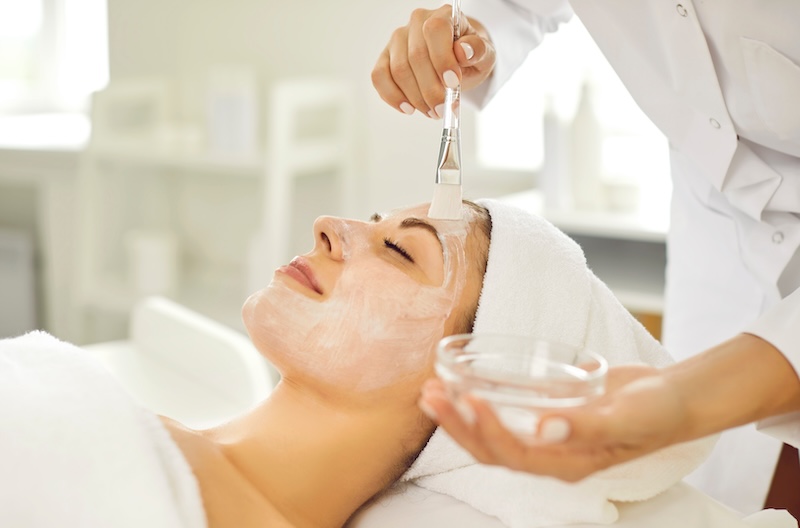
Stevens adds, “I’ve been seeing excellent results from TCA Cool Peels – they gently resurface while reducing inflammation, especially when followed with a cooling, hydrating mask. LED light therapy is also brilliant for reducing redness and promoting healing without adding further irritation.”
Choosing the right skincare formulations
When it comes to skincare product selection, all three experts agree: the simpler and more supportive, the better.
“Barrier-repairing creams, gentle cleansers and calming serums with ingredients like niacinamide, ceramides, panthenol and hyaluronic acid are ideal,” says Dr Jamil. “Fragrance-free, non-stripping moisturisers are particularly effective for restoring comfort to stressed, reactive skin.”
Stevens looks for “lightweight formulas that contain barrier-healing ingredients such as ceramides and lipids”, adding that “products should be pH balanced and microbiome-friendly to maintain the skin’s natural defence system”.
Kerr focuses on strengthening the skin rather than soothing it indefinitely. “I don’t believe in simply treating the symptoms,” she says. “The goal is to strengthen the skin so it can rebound after periods of stress. We teach clients to titrate products and use them intelligently, rather than reaching for whatever looks calming.”

Building resilient skin at home
Between appointments, clients need a consistent, uncomplicated homecare routine. “Simplicity is key,” says Stevens. “Start with a gentle cleanser, mild exfoliant, a targeted serum and a broad-spectrum mineral SPF. Introduce products gradually, one at a time, to avoid overwhelming the skin.”
Kerr encourages clients to maintain the same “training” approach at home that she uses in the clinic. “Their regimes are designed to optimise skin function and teach it to behave like a perfectly healthy skin,” she explains. “During flare-ups, we make subtle adjustments – for example, increasing use of a sulphur-based mask or adding LED light at home.”
She cautions against one of the most common mistakes: over-moisturising. “Reaching for a thick cream might seem soothing, but it doesn’t fix the problem. The key is to strengthen the skin with targeted ingredients so it can work and heal itself.”
Lifestyle, stress and skin health
Topical care only goes so far if the underlying stress remains unaddressed. “Mindfulness, regular movement, quality sleep and balanced nutrition all help regulate cortisol levels and systemic inflammation,” says Dr Jamil. “Managing stress holistically is just as important as treating the skin externally.”
Kerr also focuses on lifestyle guidance. “We suggest improving sleep hygiene, eating well, drinking water, and avoiding excessive exercise – particularly lots of HIIT workouts,” she says. “We even created a hypnosis recording for our clients to help target stress and anxiety.”
Stevens recommends clients “keep a trigger diary to track how their skin reacts to stress, diet or hormonal cycles. Simple changes like reducing alcohol, caffeine or dairy, and following a low-inflammatory diet can make a huge difference.”
Supporting clients with empathy and education
For professionals, education and empathy are key when working with stressed or inflamed skin. “It’s essential to use gentle, non-aggressive treatments and focus on barrier repair first,” says Dr Jamil.
“Setting realistic expectations and encouraging clients to address lifestyle stressors alongside in-clinic treatments delivers better long-term outcomes.”
Stevens adds, “Get to know your clients’ triggers. Not everything can or should be ‘fixed’. Our role is to support and guide, not to over-treat.”
Kerr agrees, saying, “Healthy skin is strong, resilient and tolerant. Even the most advanced treatments can’t replace a consistent home routine. Daily exposure to the right actives keeps skin functioning, just like regular exercise keeps the body fit.”

From correction to calm: the future of professional skincare
While awareness of inflammageing is growing, it’s still an underexplored area in professional skincare. “The impact of stress on skin ageing is profound,” says Dr Jamil. “There’s a real opportunity for the industry to focus more on prevention, barrier health and holistic care.”
For therapists, this means shifting the conversation from correction to calm. By addressing the causes of inflammation first, and teaching clients that managing stress is as vital as managing actives, professionals can help skin stay balance.
FAQs about stress, inflammageing and skin health
What is inflammageing in the skin?
Inflammageing refers to low-grade, chronic inflammation that accelerates skin ageing. It weakens the skin barrier, increases oxidative stress and speeds up the breakdown of collagen and elastin, leading to fine lines, sagging, dullness and increased sensitivity.
How does chronic stress affect the skin?
Chronic stress increases cortisol and inflammatory mediators in the body. Over time, this disrupts skin barrier repair, increases transepidermal water loss and activates enzymes that break down collagen, making the skin more reactive and prone to premature ageing.
Can stress really cause premature skin ageing?
Yes. Prolonged stress contributes to premature ageing by driving persistent inflammation, oxidative damage and impaired repair processes. This can make skin appear older than its chronological age and worsen conditions such as acne, rosacea, eczema and psoriasis.
What are the signs of stress-related skin problems?
Common signs include increased redness, sensitivity, dryness, breakouts, delayed healing, flare-ups of existing skin conditions and accelerated appearance of fine lines or loss of elasticity. These symptoms often coincide with poor sleep, high workload or emotional stress.
Why is the skin barrier so important for stressed skin?
The skin barrier is the body’s first line of defence. When stress slows lipid production and barrier repair, moisture loss increases and irritants penetrate more easily. Strengthening the barrier is essential to calm inflammation and restore skin resilience.
Should stressed skin be exfoliated or treated gently?
Stressed or inflamed skin usually benefits from a gentler approach. Barrier repair and calming treatments should come before aggressive exfoliation or high-strength actives. Once inflammation is controlled and the skin is resilient, corrective treatments can be introduced safely.
What professional treatments help stressed or inflamed skin?
Treatments such as LED light therapy, lymphatic drainage massage, gentle peels, enzyme treatments and calming facials can help reduce inflammation and support skin repair. Treatments should always be tailored to how the skin is presenting on the day.
Which skincare ingredients are best for stress-affected skin?
Ingredients that support the skin barrier and reduce inflammation are ideal. These include ceramides, niacinamide, panthenol, hyaluronic acid and lipid-rich moisturisers. Products should be fragrance-free, non-stripping and microbiome-friendly.
Can lifestyle changes improve stressed skin?
Yes. Managing stress through good sleep, regular movement, balanced nutrition and mindfulness can help regulate cortisol and reduce systemic inflammation. Lifestyle support is an essential part of long-term skin health and ageing prevention.
How can beauty professionals support clients with stress-related skin concerns?
Professionals should focus on education, empathy and realistic expectations. Prioritising barrier repair, avoiding over-treatment and encouraging clients to address lifestyle stressors alongside in-clinic care leads to more resilient, tolerant and healthy skin over time.