New research on digital marketing trends for 2026 reveals that authenticity and honesty are key to success
From “little treat culture” to the shift away from the minimal aesthetic, a new report from Brandwatch has highlighted the most impactful digital marketing trends for 2026.
How to utilise AI while ensuring content remains authentic
With ever-changing algorithms, brands are feeling the pressure to post more content than ever before. The increasing accessibility of AI has led to an influx of social posts created by generative tools, but the ease with which these platforms allow businesses to produce content also poses a growing risk of quantity over quality.
The report reveals that online mentions of “slop” – a term used to describe low-effort, AI-generated or uninspiring content – grew by more than 200% in 2025, highlighting consumers’ increasing awareness of inauthentic, mass-produced digital content.
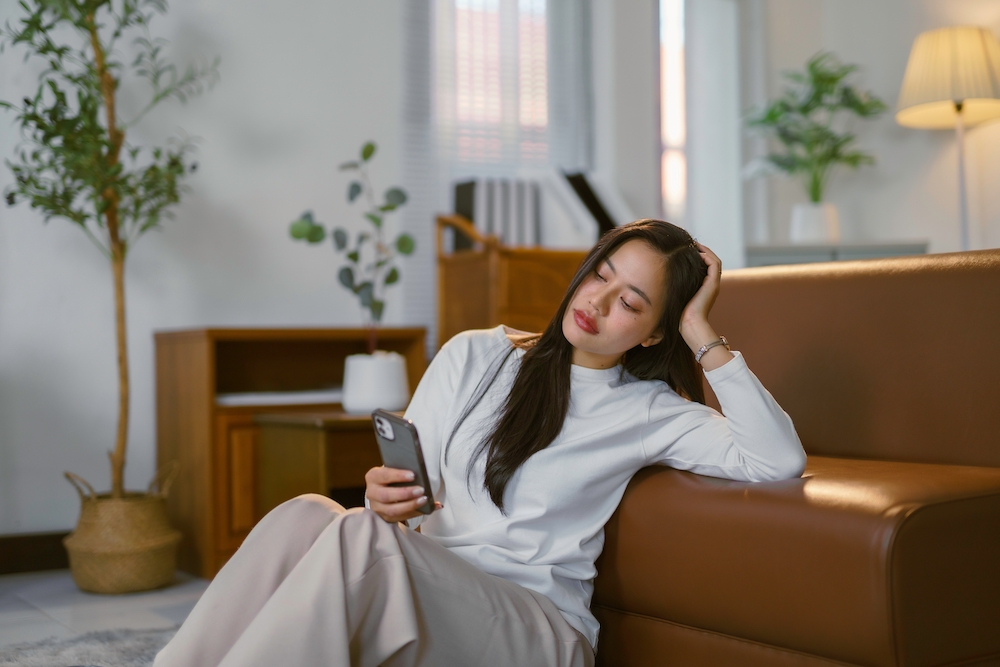
In a trust-driven industry like beauty, where clients are booking real people to deliver results on their face, skin or body, that kind of inauthenticity is especially damaging.
As a result, the brands that win will be the ones pairing human creativity and storytelling with AI’s efficiency.
For salons and clinics, that means using AI to streamline tasks like caption writing, scheduling and idea generation – but keeping the human touch where it matters: your expertise, your staff and your client experience.
As the report puts it, “High-quality prompts, human editing and a strong brand personality are what stop brands from falling into the AI slop bucket.”
In line with consumers’ desire for authentic content, businesses will also need to carefully consider their involvement in trends.
The report highlights that in 2026 audiences will be rewarding brands that add to cultural moments – not those that try to hijack them. “Consumers know when brands are trying to force their way into cultural moments to sell a product.”
Is this the end of the minimal aesthetic?
Insights from Brandwatch suggest that after years of effortless aesthetics and minimalistic sameness, the tide is turning – and visible effort, personality and even a little “cringe” are making a comeback.
The data shows that positive mentions of being “cringe” rose by 25% in 2025. What once would have damaged a brand’s “cool factor” is now becoming a strength: genuine enthusiasm, humour and showing up as your real self online.
For salons and clinics, this creates an opportunity to move away from polished-but-impersonal feeds and towards more human, personality-led content.
Instead of only posting pristine treatment shots and perfectly curated interiors, brands can win by showing the people behind the business – the therapists, stylists and reception teams who make the experience what it is.

Sharing staff in a fun, relaxed way – whether that’s trending TikToks, behind-the-scenes moments or playful client interactions – helps to remove the intimidation factor that can stop new customers from booking.
When potential clients see real people laughing, learning and enjoying their work, it makes the salon feel more approachable, friendly and trustworthy.
In a category that can feel intimidating or overly “perfect”, embracing warmth, humour and visible effort doesn’t dilute professionalism – it humanises it.
The rise of “little treat” culture
As the cost of living rises and everyday pressures mount, consumers are increasingly turning to micro-indulgences to lift their mood. From a sweet snack to a nostalgic beauty product, these low-commitment treats are helping people reclaim a sense of optimism.
Brandwatch data shows that mentions of “little treat” have climbed steadily throughout 2025, now reaching over 40,000 mentions every month.
Meanwhile, 23% of marketers say that promoting small, feel-good purchases will be a key trend for 2026.
At the heart of this movement is emotional reward. People are actively seeking tiny moments of joy in their day – and beauty is perfectly placed to deliver them. A brow wax, a mini facial, a luxury hand cream can all function as affordable acts of self-care.
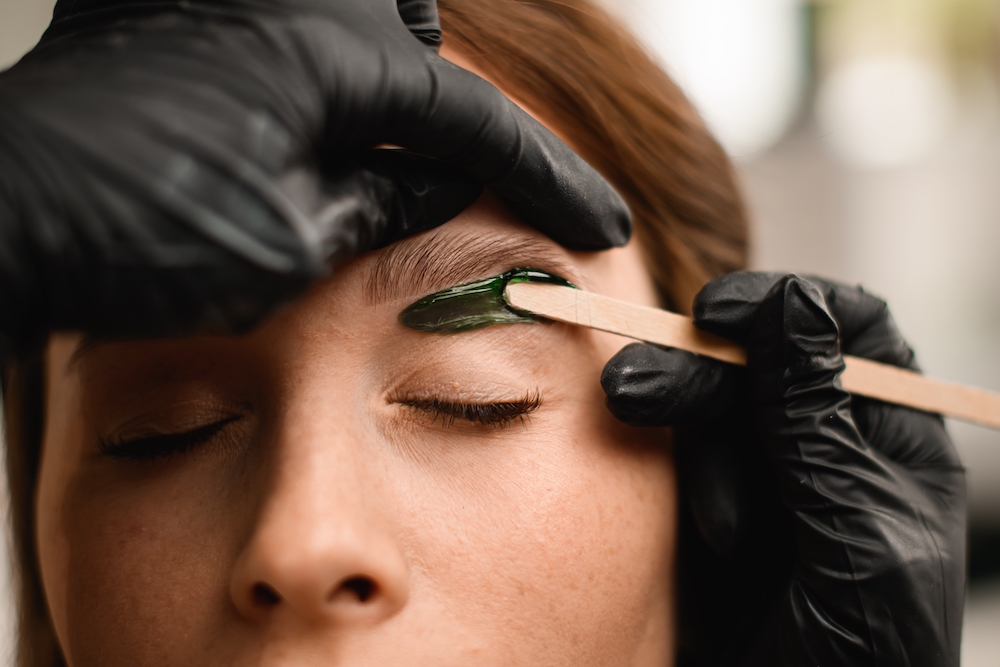
For salons and clinics, this signals a shift from simply selling products or treatments to selling moments of positivity. The most successful campaigns will tap into joy, nostalgia and everyday wins, positioning beauty services as the ultimate “little treat” that customers genuinely look forward to.
The impact of digital fatigue
In an increasingly AI-driven world, consumers are craving human connection more than ever. While beauty treatments are already well placed to meet this need, salons and clinics can go even further by creating spaces that foster real, in-person interaction.
In 2025, in-person events surged in popularity, with 57% of event organisers reporting increased attendance. Meanwhile, 75% of attendees said immersive experiences helped them disconnect from digital life and engage more meaningfully with others.
This creates a powerful opportunity for salons and clinics to expand beyond appointments and into community-building.
From educational evenings on skin health to makeup masterclasses, brow workshops or wellness talks, events allow businesses to showcase their expertise while deepening relationships with clients.
And these gatherings don’t always have to be strictly beauty-focused.
Craft nights, journaling sessions or mindfulness workshops hosted in-salon can help build a loyal community around your brand – positioning your space as somewhere clients go not just to look better, but to feel more connected too.
Methodology
Brandwatch surveyed over 1,000 marketers about the social landscape in 2026 and combined this with data from Brandwatch Consumer Research, using a mix of qualitative and quantitative research.
You might also like:

square.jpg)