Thinking of going self-employed? Facialist Dija Ayodele shares the truths no one talks about – and how to stay motivated, organised and profitable as a solo beauty business owner
Going self-employed in the beauty industry can feel empowering. You set your hours, choose your brands and create the client experience you believe in. But once your name is on the door, it can also feel really lonely and isolating.
Every problem (for me, the toilets packed up in week two and the bowl needed to be replaced!), every decision and solution is on you. You’re constantly thinking about what’s next. So yes, it’s rewarding, but it’s also a lot.
Here are five things no one tells you about going solo as a beauty therapist or facialist – and my tips to keep your spirits high while building a sustainable business.
1. You’ll spend surprisingly little time actually doing treatments
In your head, you imagine spending your days transforming skin and making your clients feel incredible. The reality of being self-employed in beauty is that a lot of time is spent on customer service, cleaning, ordering stock, doing taxes, fixing the Wi-Fi… the list is endless.
If you want to grow a successful solo beauty business, get organised early. Invest in a CRM system (I live and die by mine) and use it to automate reminders, follow-ups and client notes – anything that helps free up brain space and time. The more you streamline your systems, the more time you have to focus on the parts of the job you love, like delivering results-driven treatments and building client relationships.
2. It can feel really isolating
In a large salon there’s buzz. When you’re self-employed and working solo, there’s no team chat, no one to bounce ideas off and sometimes it’s just you… all day long.
Isolation is one of the biggest challenges of going self-employed in the beauty industry, yet it’s rarely discussed.
Build your network intentionally. Whether it’s local beauty professionals, online groups or fellow solo practitioners, having people who understand the realities of self-employment makes all the difference. Also consider getting a coach to help you organise your thoughts and stay accountable. Investing in support isn’t a luxury; it’s a strategy.

3. No one teaches you how to deal with suppliers
Negotiating with suppliers, managing deliveries, chasing missing stock, dealing with sales agents trying to sell you every SKU – these aren’t things you learn in beauty school, yet they’re essential skills when running a solo clinic or treatment room.
Treat supplier relationships as part of your business education. Keep a log of what works, what doesn’t and who delivers on their word. Keep communication on email so you can reply in your own time without pressure.
When buying stock, make a list first with a clear business case for each product. Does it solve a client concern? Will it generate retail revenue? Does it align with your treatment menu? And remember: negotiate, because everyone else is.
4. Clients can be flaky
Cancellations and no-shows happen and can hurt both your feelings and your pocket. People generally do what’s best for them, not your business, so don’t take it personally.
If you’re going self-employed, protect your income from day one. Set clear cancellation and deposit policies and automate confirmations and reminders. This protects your time and energy – you’re running a business, not a charity.
Clear policies also position you as a professional. Boundaries build respect.
5. You can’t pour from an empty cup
Hustle culture says “work harder, longer, faster”. But truthfully, you can’t run a great beauty business on no food, sleep or joy.
Start with boundaries. Block an hour for lunch to eat and go for a walk. Be firm about your start and finish times. Take days off to recharge. Burnout helps no one – not you and not your clients.
Going self-employed isn’t just about skill; it’s also about stamina, strategy and self-belief. Staying organised, supported and kind to yourself is the real secret to long-term success in the beauty industry.
You might also like:
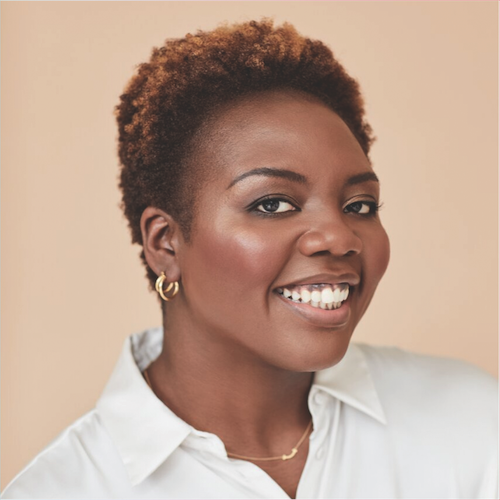
About the author
Dija Ayodele is a skin-health specialist, author and founder of the Black Skin Directory. She also runs “Clarity Hour” coaching for skin therapists, helping beauty professionals grow profitable, purpose-led businesses.