From antioxidant defence to collagen support, green tea extract and EGCG are becoming key ingredients in professional skincare treatments designed to target inflammation, environmental damage and visible skin ageing
Drinking green tea for your health is nothing new – applying it to the skin, however, is where things get interesting.
Green tea extract is actually a widely used botanical ingredient in professional skincare, appearing in everything from antioxidant serums to post-procedure calming masks. But while consumers often associate it with wellness trends, the science behind green tea extract and its derivatives is increasingly compelling for facialists and skin therapists.
Rich in antioxidants, green tea plays a role in protecting against oxidative stress, reducing inflammation, supporting skin barrier function and helping to minimise visible signs of premature ageing.
Research also suggests it may have benefits for redness, UV-induced damage, dehydration, pigmentation and post-inflammatory responses – making it a versatile ingredient for both in-clinic treatments and homecare support.
What is green tea extract in skincare?
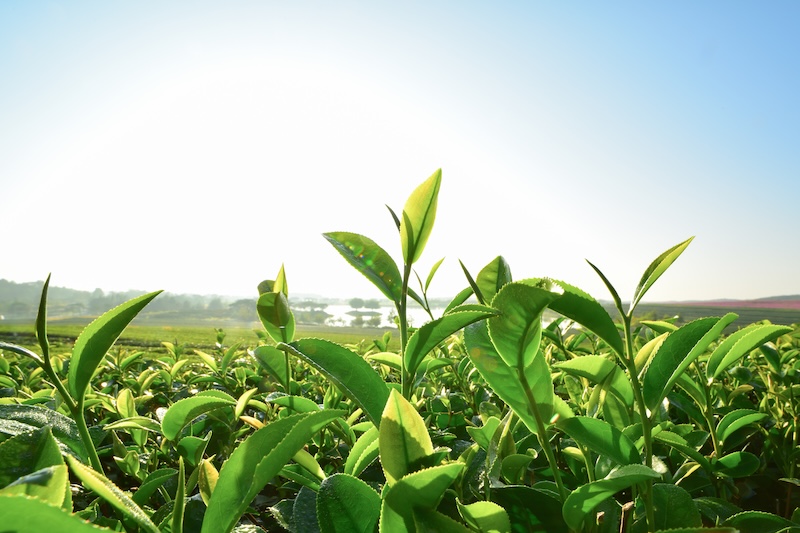
Green tea comes from the leaves of the camellia sinensis plant, and differs from black or oolong tea because it undergoes minimal oxidation during processing. That lower level of processing helps preserve its naturally high concentration of polyphenols and catechins.
Polyphenols are bioactive plant compounds that act as antioxidants by donating electrons to unstable molecules known as free radicals, helping to prevent oxidative damage to cellular structures such as lipids, proteins and DNA.
Catechins are a subgroup of polyphenols found in high concentrations in green tea; these compounds interact with cellular signalling pathways involved in inflammation, oxidative stress and collagen degradation.
A 2025 review article, Green tea as a cosmetic agent for skin aging, published in the Avicenna Journal of Phytomedicine by Ratih Puspita Febrinasari et al, noted that green tea contains the highest level of polyphenolic compounds compared with more heavily fermented teas.
The review highlighted epigallocatechin gallate (EGCG) as the key active compound in green tea, accounting for around 59% of catechins present in the ingredient.
What is EGCG and why is it important for skin?
Ashley Hamilton-Prout, head of product at Skin Rocks by Caroline Hirons, explains, “EGCG is typically the most abundant polyphenol compound within green tea, accounting for over 50% of the ingredient’s polyphenols.
“EGCG has been shown to have a wide range of antioxidant and anti-inflammatory properties, including protection against UV-induced damage, which could otherwise lead to accelerated skin ageing, as well as having more serious implications. ECGC has been shown to be particularly beneficial at regulating the inflammation caused by UVB-damage.”
According to the Avicenna Journal of Phytomedicine review article, EGCG has demonstrated antioxidant, anti-inflammatory and photoprotective effects in both in vitro and clinical studies.
Research cited within the scoping review found EGCG could help suppress reactive oxygen species (ROS), reduce inflammatory responses triggered by UV exposure and inhibit matrix metalloproteinases (MMPs), enzymes associated with collagen breakdown and skin ageing.
How does green tea benefit the skin?
Antioxidant protection against premature ageing
One of green tea’s best-established skincare benefits is its antioxidant activity.
Hamilton-Prout says, “Green tea is naturally rich in antioxidant compounds, which help restore the skin’s natural antioxidant reserves, which are essential for the skin’s self-defence mechanisms; by restoring these levels, it helps to protect the skin against free radical damage, which can come from external aggressors such as pollution or cigarette smoke, and consequent oxidative stress.”
Oxidative stress is one of the primary drivers of extrinsic ageing, which refers to premature ageing caused by environmental factors such as UV exposure and pollution.
The review explains that UV radiation increases ROS production, leading to collagen degradation, inflammation and visible skin ageing. Green tea polyphenols help neutralise these unstable molecules before they can trigger widespread cellular damage.
Hamilton-Prout adds, “Antioxidants work by neutralising free radicals – a type of oxidant. Oxidants are unstable molecules that can attack skin cells, causing damage – this is called oxidative stress, which can result in dull, lacklustre, uneven skin, as well as accelerating premature ageing.”
Support for collagen and skin elasticity
Green tea’s anti-ageing benefits extend beyond antioxidant protection alone.
The review found evidence that green tea extract and EGCG may help inhibit elastase and MMP activity – both linked to collagen and elastin breakdown.
Clinical studies included in the review also showed improvements in wrinkle depth and skin elasticity following topical application of green tea formulations. One human trial reported a 36.3% improvement in wrinkles using normal green tea extract, while a tannase-converted form achieved a 63.6% improvement.
Hamilton-Prout notes that green tea may also help support vitamin C activity within formulations.
“Polyphenols, which are present in green tea, also have a protective effect towards vitamin C. This is an important factor from a cosmetic point of view, as vitamin C is involved in the synthesis of collagen, a main protein of blood vessels and skin.”
Can green tea help sensitive or inflamed skin?
Green tea is often considered suitable for sensitive or reactive skin types due to its soothing and anti-inflammatory properties.
Hamilton-Prout says, “Those with sensitive skin may also find the ingredient particularly beneficial due to its soothing properties.”
The review highlighted evidence showing EGCG can reduce UV-induced inflammation and erythema while helping regulate inflammatory pathways involved in skin stress responses.
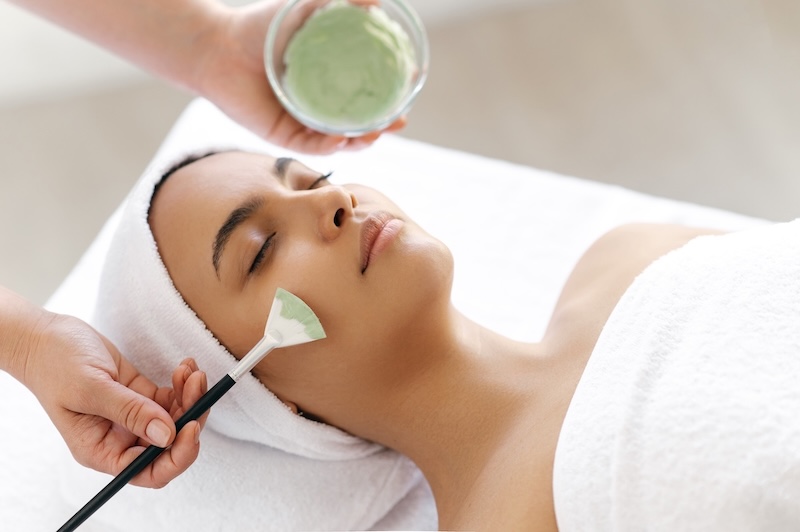
This may make green tea useful in professional protocols designed to calm skin following advanced treatments or environmental stress.
Green tea and pigmentation: can it help?
Emerging research suggests green tea may also play a role in managing pigmentation and uneven skin tone.
The review referenced studies showing EGCG reduced melanin secretion and inhibited tyrosinase activity, the enzyme involved in melanin production.
Clinical trials also showed improvements in melanin index after topical application of green tea cream for six weeks.
While more research is needed, this suggests green tea may be beneficial within professional brightening or post-inflammatory hyperpigmentation protocols.
Which skin types benefit most from green tea?
According to Hamilton-Prout, green tea can benefit virtually all skin types.
“All skin types can benefit from green tea thanks to its antioxidant properties. Those who are concerned with signs of premature ageing may find the ingredient particularly beneficial, since antioxidants, by nature, help to protect against signs of ageing.”
The ingredient may be particularly useful for:
- prematurely aged skin
- environmentally stressed skin
- sensitive or reactive skin
- dehydrated skin
- redness-prone complexions
- pigmentation concerns
- post-treatment skin support
How therapists can use green tea in professional treatments
Because of its calming and antioxidant effects, green tea can work well in both preventative and corrective professional treatments.
Potential uses include:
- post-peel calming masks
- antioxidant facials
- post-LED support
- hydration-focused treatments
- redness reduction protocols
- barrier repair treatments
- post-UV exposure recovery support
The review also highlighted green tea’s ability to reduce transepidermal water loss (TEWL) and support natural moisturising factor production. This could make it particularly useful in treatments focused on barrier support and hydration.
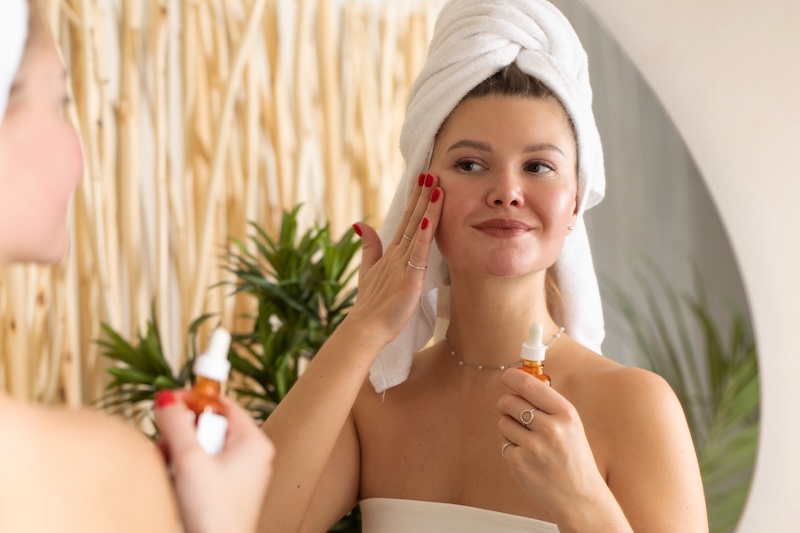
Can green tea be combined with other skincare actives?
Green tea appears to work especially well alongside other antioxidants.
Hamilton-Prout says, “Green tea is especially effective when combined with other antioxidant ingredients, such as vitamin C. Green tea will also help to protect vitamin C itself from any degradation, so it’s always best to use multiple antioxidants together.”
The review also noted that combining EGCG with vitamin C and vitamin E may improve catechin stability, which is important because EGCG can degrade when exposed to factors such as heat, oxidation and pH changes.
This is particularly relevant for formulators and therapists assessing ingredient efficacy in professional skincare products.
Are there limitations to green tea in skincare?
Despite its promising benefits, green tea is not without formulation challenges.
The review highlighted that EGCG is inherently unstable and can degrade relatively easily depending on temperature, oxidation and formulation conditions.
Researchers are also exploring advanced delivery systems, including nanocarriers and niosomes, to improve penetration and stability.
For therapists, this reinforces the importance of choosing professionally formulated products with well-designed delivery systems and stabilised antioxidant blends.
Why green tea continues to gain traction in professional skincare
Green tea’s versatility is one reason it continues to appear across both professional and consumer skincare categories. Its antioxidant, anti-inflammatory and skin-supportive properties make it relevant for multiple concerns, from premature ageing and sensitivity to hydration and pigmentation support.
Importantly for professional therapists, it also works well as part of broader treatment strategies – especially alongside ingredients such as vitamin C and other antioxidants.
While research into delivery systems and long-term efficacy is still developing, the evidence so far suggests green tea and EGCG are increasingly becoming science-backed actives with meaningful treatment potential.
You might also like:
- Magnesium benefits for skin, stress and sleep
- How chronic stress ages the skin and what beauty professionals can do about it
- This is how lack of sleep impacts your skin health
FAQ: Green tea in skincare
What does green tea do for the skin?
Green tea helps protect the skin against oxidative stress caused by UV rays, pollution and other environmental aggressors. Its antioxidant and anti-inflammatory compounds, particularly EGCG, may also help calm redness, support collagen preservation and reduce signs of premature ageing.
Is green tea good for sensitive skin?
Yes, green tea is generally considered suitable for sensitive or reactive skin types due to its soothing and anti-inflammatory properties. It is often used in skincare products designed to calm redness and support the skin barrier.
What is EGCG in skincare?
EGCG (epigallocatechin gallate) is the main catechin found in green tea and one of its most biologically active compounds. In skincare, EGCG is valued for its antioxidant, anti-inflammatory and photoprotective effects.
Can green tea help with skin ageing?
Research suggests green tea may help reduce visible signs of premature skin ageing by neutralising free radicals, reducing oxidative stress and helping to limit collagen and elastin breakdown caused by UV exposure and environmental damage.
Can green tea be combined with vitamin C?
Yes, green tea works well alongside vitamin C and other antioxidants. Some research suggests green tea polyphenols may even help improve vitamin C stability within skincare formulations.
Is green tea used in professional skincare treatments?
Green tea is commonly used in professional skincare treatments including antioxidant facials, calming treatments, post-procedure protocols and hydration-focused therapies because of its soothing and protective properties.