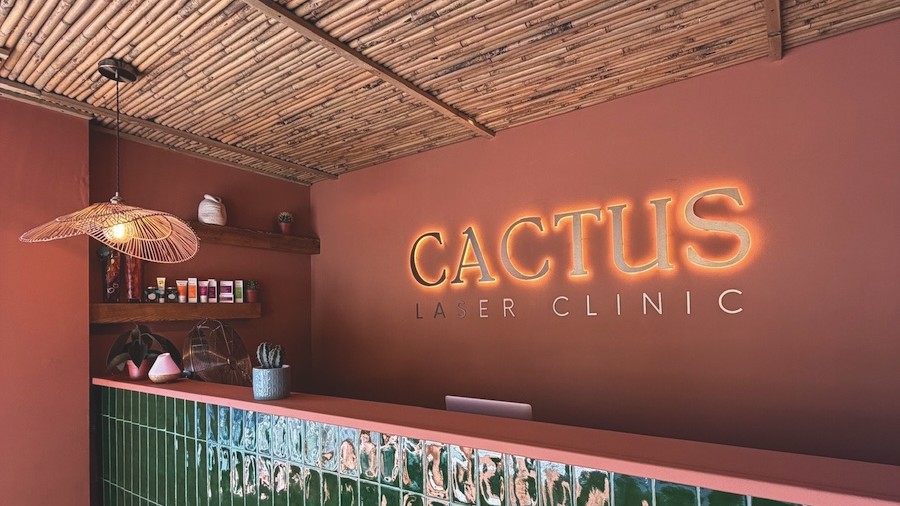
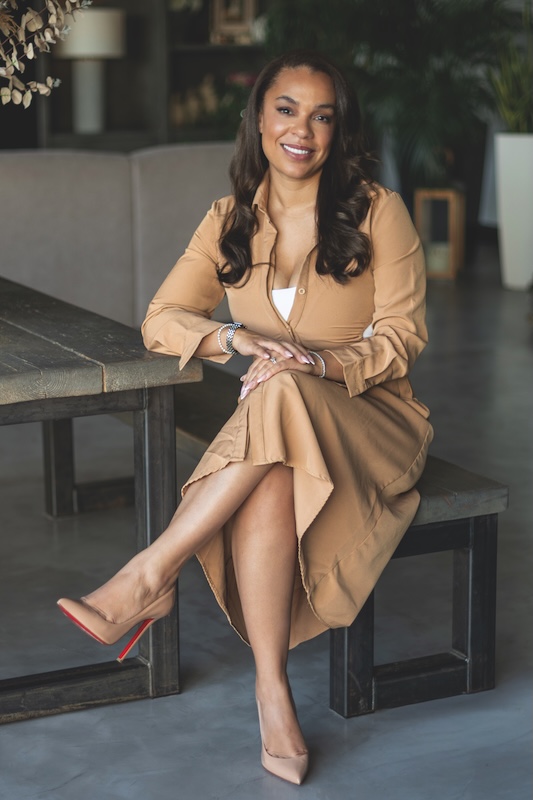
Cactus Laser Clinic co-founder Francesca Otote talks to us about inclusivity in laser treatments, scaling from one clinic to two and why transparency on social media drives trust and client growth
While Francesca Otote has established herself as a leading figure in the laser community, her first experience in the beauty industry was with microblading. “I had been working as a bartender, but when I was expecting my first child, I knew it wasn’t a sustainable career,” she explains.
Although she forayed into the world of nails before studying to become a nurse, microblading was her first passion. She decided to set up her own business but ultimately felt that it didn’t allow her the freedom her growing family required. “I wanted to establish a business that could run without me – and that’s when I turned to laser,” she says.
How Cactus Laser Clinic found its niche in inclusive laser treatments
In the laser industry, Otote believes there is a lot of misinformation about which devices are suitable for which skin types. “Some clinics will have purchased a device after being told that it works on all skin types – and it doesn’t. Other clinics do have the correct devices, but don’t have the correct protocols to get an effective treatment for clients who are a Fitzpatrick type 4, 5 or 6,” she explains.
Another problem area is marketing – while some clinics have all the necessary devices and protocols in place, if a client doesn’t feel represented in their marketing, they might believe the treatment is not suitable for them. Having previously built up a client base within microblading that predominantly consisted of Fitzpatrick type 4, 5 or 6, Otote was aware of this problem, and wanted Cactus Laser Clinic to be the solution when she opened in Croydon in 2023.
Inclusivity forms a key part of Cactus Laser Clinic’s ethos, from marketing to staffing and more – however, this extends beyond skin types. “The LGBTQIA+ community forms a big part of our clientele,” Otote says. “For us, inclusivity is at the forefront of what we do – it’s not an afterthought.”
Something else that sets the business apart is its specialised nature. While Cactus offers complementary skincare treatments where they naturally align, its two clinics predominantly centre on laser. By avoiding an overloaded service menu, Otote has been able to establish a business built on clarity. This approach works to strengthen expertise, which in turn builds greater trust with clients, who want confidence that their practitioner is a true specialist.
How Cactus Laser Clinic scaled from one clinic to two
In August 2025, Cactus Laser Clinic opened its second location, in Brixton, London. “Our capacity was regularly around 80–100%, but we knew there was more demand,” Otote explains. While taking the leap from a single site to multi-site can be daunting, she adds, “The fact that we already had such a clear brand made it easier – we’ve had new clients coming in telling us they’d heard their friends talk about us, or had a colleague recommend us.”
Deciding to open a new site sets off a whole chain of further choices, with location being one of the most crucial. Reflecting on how they chose Brixton, Otote says, “We feel like it’s a space where everybody’s welcome. It brings together people from all walks of life, which really represents who we are.”
Practical considerations also played a role, particularly transport links. “It’s amazing to be on the Victoria line,” she adds. “We have clients based in North London, so now they’re just a tube away.” That said, Otote isn’t ruling out a North London location in the future. “For the second one, we thought we’d stay a little closer to home – but who knows what’s next,” she adds.
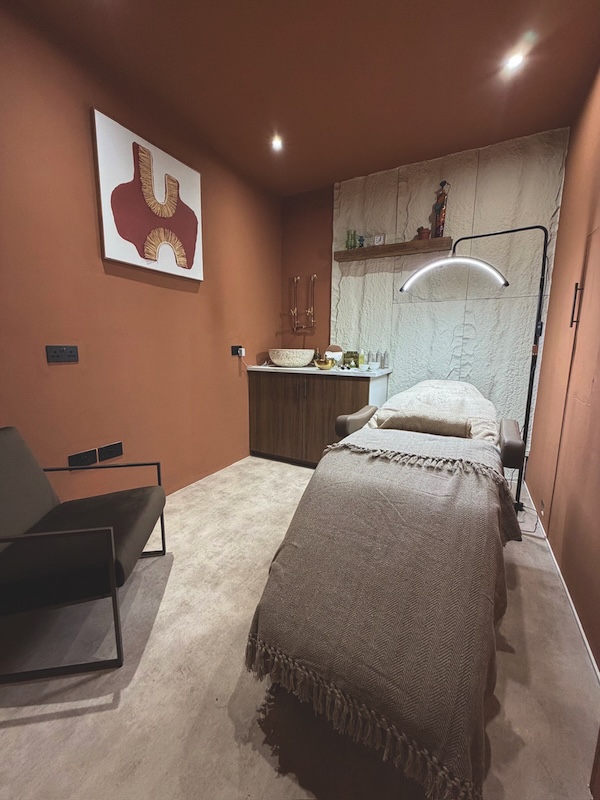
Despite this, opening a second clinic did still present challenges, with Otote admitting that the experience was probably just as stressful as the first time. “We had more of an idea about what was needed in terms of space and design, but I got hung up on the little details; now I know what I like, I just wanted to make sure that everything perfectly reflected that,” she explains.
Why founder-led brands build trust in the beauty industry
While Cactus was founded out of a desire to build a business that could work around family life, it has also grown into a truly family-run venture, with Otote’s husband, Fred, acting as co-director. The couple have made a conscious decision to reflect this on social media, positioning Cactus as a founder-led business. “I think customers like seeing what they’re buying into – that it’s not just a huge corporation,” Otote explains.
Importantly, this approach extends far beyond social media. Instead, it reflects a genuine commitment to showing customers that the business is built by people who care. “When they make suggestions, we want them to know there’s someone listening – that they’re not just facing a generic wall,” she adds.
Otote also believes that highlighting the founder-led nature of the business helps build credibility, particularly within a niche market. “It shows that you’re not just doing it because you think it’s an easy gap in the market. It allows us to show our genuine passion for the service we provide.”
“Inclusivity is at the forefront of what we do – it’s not an afterthought.”
Francesca Otote
How social media helps laser clinics attract new clients
When asked to describe her social media strategy, Otote is refreshingly honest. For her, it comes back to transparency and showing up as herself. “There’s so much content in the beauty world that feels very glossy,” she explains. “But is that really how things are?”
Rather than presenting a polished façade, Otote believes in sharing the realities behind the brand. She’s found that clients respond positively to this openness, often telling her they enjoy seeing snippets of her life alongside the business. “They like the fact that I share my life – that they see my children,” she says. “Clients will come in and mention things they’ve seen online. They’ll say, ‘Oh, I saw you were doing this’.”
For Otote, this connection is key. “People are interested in people,” she adds, noting that audiences enjoy seeing what the team is up to and feeling part of the journey. She believes this more personal approach to content reflects the growing importance of personal branding, particularly within the beauty industry.
Discussing whether a strong social media presence is essential for business success, Otote adds, “I think you need social media. It would be really hard otherwise – it’s where people learn to trust you, believe in you, and then believe in your brand.”
Social media also plays a significant role in attracting new clients. In fact, Otote estimates that around 80% of Cactus Laser Clinic’s clientele now comes directly from social platforms.
“It’s amazing,” she says, particularly for smaller businesses that may not have the budget for more traditional marketing channels, such as Google advertising. “It can be free, or you can advertise with a very small budget,” she adds. “It gives you access to opportunities that you wouldn’t necessarily have through more traditional forms of advertising.”
What success looks like when growing a laser clinic business
Success is subjective, especially in relation to the age of a business, and Otote says her perception of it has changed considerably since she founded Cactus Laser Clinic. “I’m no longer client facing, and it made me realise the success is bigger than just me. If the team are happy, that feels like success – because without the team, I don’t have a business,” she says.
“Clients who have stayed with us since the beginning – that feels like success, because they're enjoying what we're offering. Being booked and busy feels like success. But ultimately, I built this business to run without me, so when I pick my kids up from school, or can go on holiday and the business still functions, that’s what success looks like to me.”
With this in mind, is Otote content with her accomplishments as they stand? “Growth is on the agenda,” she teases. “The goal has never been just to have two clinics – so whether that's in 2026 or 2027, expansion will definitely be on the cards.”
FAQs
Why is inclusivity important in laser hair removal clinics?
Inclusivity is essential in laser hair removal because not all laser devices and treatment protocols are suitable for every skin type. Clinics that invest in the correct technology and training can safely treat a wider range of Fitzpatrick skin types, helping ensure more clients feel represented and confident booking treatments.
How can laser clinics attract more clients?
Many laser clinics attract new clients through social media marketing, word-of-mouth recommendations and clear educational content about treatments. Transparent communication, inclusive marketing and showcasing real client experiences can help build trust and drive bookings.
What does it take to grow a successful laser clinic brand?
Growing a successful laser clinic brand requires clear positioning, specialist expertise and a strong client experience. Many clinics also focus on building trust through transparent marketing, founder-led storytelling and consistent service quality as they expand.