Expert tips from Ada Ooi on combining TCM and neuroscience to create personalised, holistic beauty treatments
Integrative wellness specialist Ada Ooi explains how beauty professionals can apply Traditional Chinese Medicine principles alongside neuroscience techniques to create more effective, personalised treatments that target root causes and improve long-term wellness.
1. Read the skin as a window into internal health
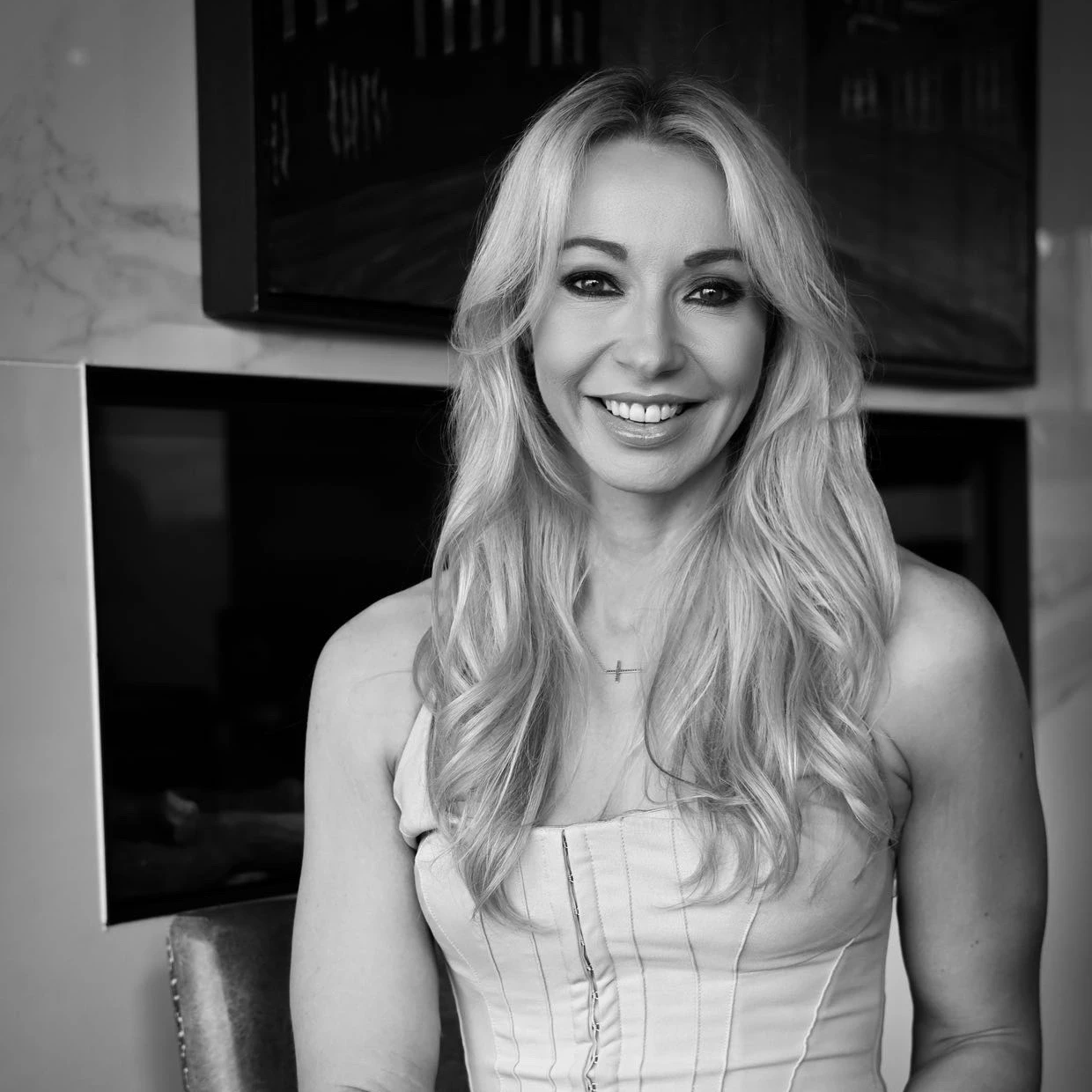
“The skin is not just a surface of the body, it tells us a lot about what’s happening internally,” says Ada Ooi, an integrative Chinese Medicine clinician and owner of the 001 London clinic.
In Traditional Chinese Medicine (TCM), the skin is interconnected with the body’s organs and energy systems, meaning changes on the surface can reflect deeper imbalances. By learning to read these signals, beauty professionals can offer more personalised treatments. In TCM, dry or dull skin may indicate a deficiency in water metabolism or blood circulation, while areas of inflammation can signal stagnation or excess heat. “Internal health manifests externally,” Ooi says.
For example, in her clinic, a 61-year-old client with dry, yellow-toned skin and bloating was found to have kidney deficiency and stagnated fluids affecting skin nutrition. “By looking at the skin, we could deduce digestion and emotional stress issues and then design a treatment plan addressing the root cause, not just the surface,” she adds.
2. Use TCM diagnostics to personalise consultations
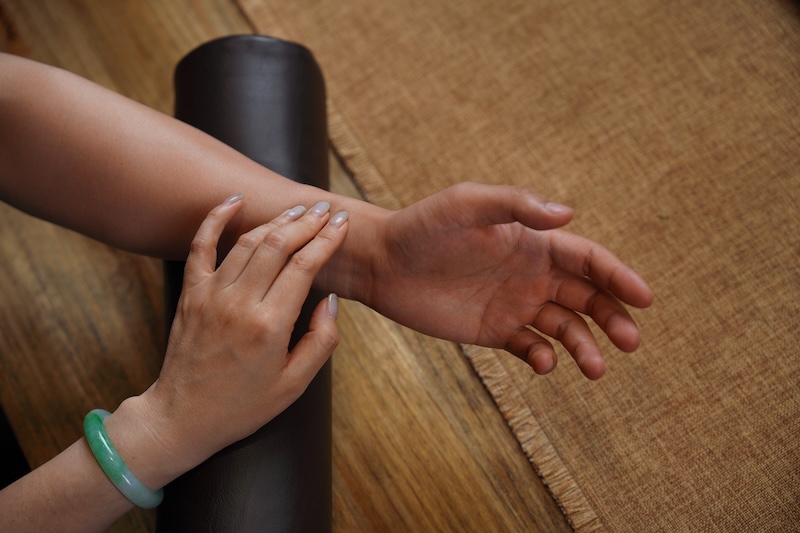
Ooi emphasises that TCM-informed consultations go beyond surface-level questions to consider tongue and pulse analysis, diet, digestion, emotional state, and even family history.
“In our clinic, we map the overall body state as related to the client’s skin or other conditions,” she explains. “Once we have a syndrome diagnosis, we keep it as a blueprint – treatment is a process, not a single session.”
By training therapists to ask the right questions and observe the skin carefully, salons can create bespoke treatment plans. Observing facial redness, dullness, or acne patterns allows you to identify underlying imbalances like liver qi stagnation, spleen deficiency, or kidney essence depletion – concepts that guide both TCM herbal prescriptions and lifestyle recommendations.
3. Enhance treatments with neuroscience and neuromodulation
Ooi incorporates neuroscience to enhance treatment effectiveness. “I focus a lot on behaviour change because telling someone to ‘cut alcohol’ is easy, but it’s hard to make it stick,” she says. Understanding how the brain responds to cues, habits, and rewards allows therapists to support clients in making lasting changes.
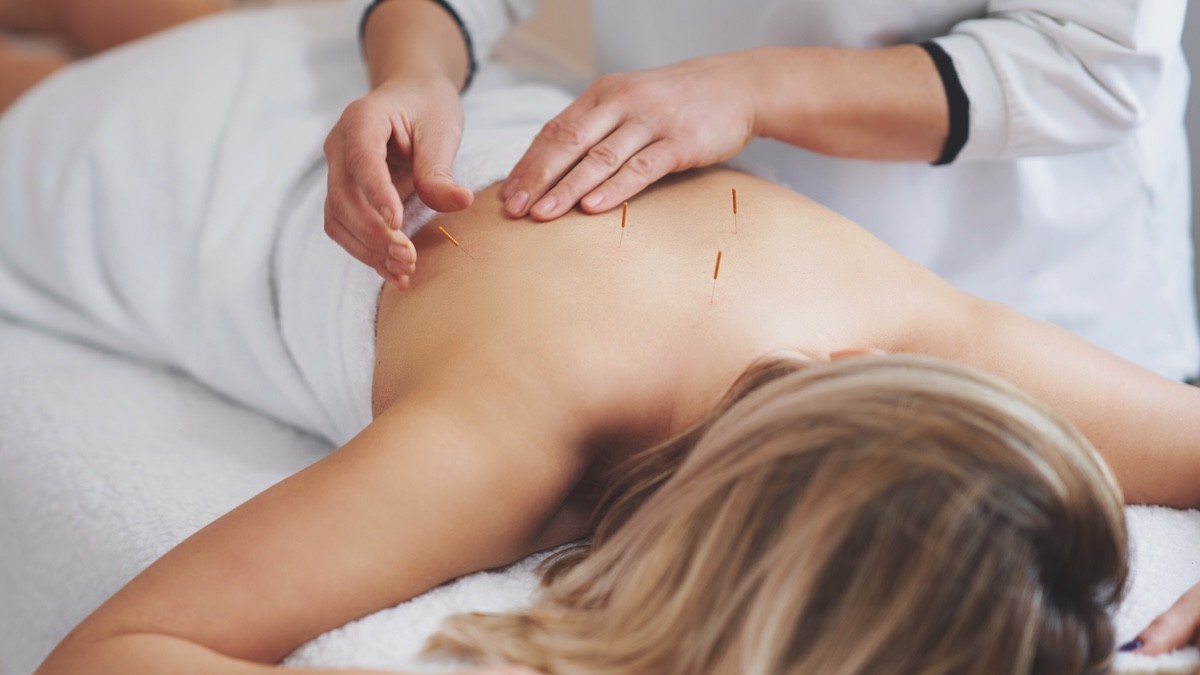
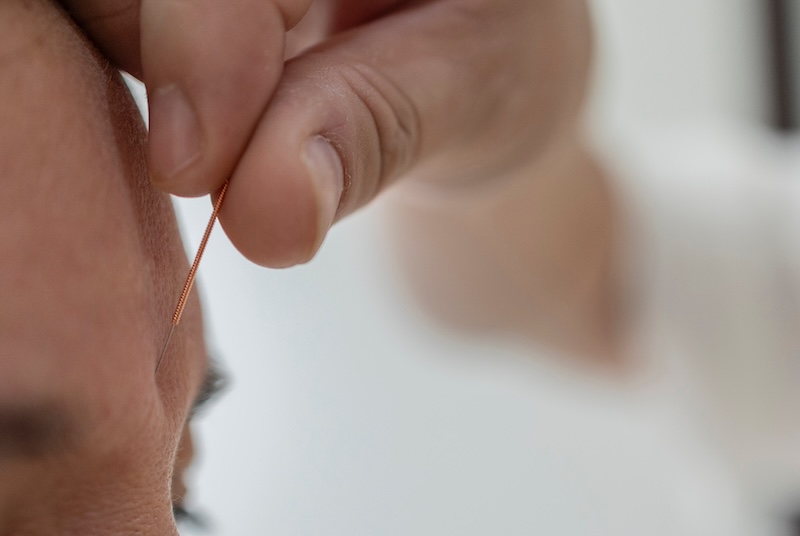
In her clinic, Ooi uses acupuncture for neuromodulation. “Once we insert the needles, they activate nerve endings, sending signals to the brain – it’s a neuromodulation effect,” she says, explaining that targeting the trigeminal or vagus nerve can help improve both skin and gut health, combining TCM meridian theory with neurophysiology.
Other modalities, such as gua sha, cupping, moxibustion, and facial lymphatic drainage, are integrated to promote circulation, reduce stagnation, and improve both skin and cognitive function. Ooi also incorporates “glymphatic drainage” techniques in facials. Not to be confused with lymphatic drainage, this technique stimulates glial cells in the brain. “Glial cells are the only cells in the brain that don't process information; their job is just to process waste,” explains Ooi.
4. Promote long-term wellness through lifestyle guidance
“Self-care is equally as important as the treatments we perform in clinic,” Ooi explains. TCM emphasises that healing is a continuous process; it’s not just about the appointment. Lifestyle advice is considered part of every treatment plan, helping clients maintain balance between yin and yang, qi and blood, and the body’s organ systems.
Clients may be advised on diet – including warming or cooling foods to balance internal energies – as well as exercise, meditation, sleep rituals, and stress management. Even small interventions, like keeping the neck warm or moderating phone use before bed, support longevity and skin health.
This holistic approach enhances results and positions salons as centres for wellness rather than purely aesthetic services.
“Beauty is not just what you see on the surface. It’s about addressing root causes, supporting the body’s natural balance and helping clients thrive – in their skin and in their life.”
Ada Ooi
5. Apply TCM principles for practical beauty solutions
Ooi believes understanding the principles behind TCM makes treatments more effective. Key concepts include:
- Yin and yang: Contrasting energies that maintain balance. “Even sitting still your body constantly balances yin and yang,” Ooi explains. Treatments are designed to restore this equilibrium, whether it’s calming excess heat or boosting deficient fluids.
- Qi and blood: Qi is the body’s vital energy; blood nourishes and transports it. Imbalances can cause stagnation, dampness, or dryness, which manifest in the skin. Ada likens it to a river: “Qi is like the current. It moves the water, which is blood. Too much current creates turbulence; too little creates stagnation.”
- The five elements: Wood, fire, earth, metal, and water each represent functional organ networks. Treatments are designed to harmonise these networks, which can influence skin, digestion, mood, and energy.
- Three treasures: Jing (essence), qi (vital energy), and hun (spirit or consciousness) guide holistic wellness. For skin treatments, replenishing jing with nutrition, enhancing qi with circulation therapies, and supporting hun through mindfulness or meditation helps to achieve lasting results that go beyond the surface.
These principles can be applied practically in salon and clinic treatments. For instance, a client with chronic acne, digestive issues, and emotional stress may receive a combination of meridian cupping, gentle facials with growth factor serums, dietary adjustments, and meditation techniques, all designed to move stagnation, reduce heat, and nourish both skin and body systems.
Integrating TCM and modern skincare for lasting results
Integrating TCM and neuroscience isn’t about replacing modern skincare or aesthetics – it’s about enhancing them. Ooi’s approach demonstrates that by looking deeper into the skin-body-mind connection, beauty salons and spas can deliver personalised treatments that support long-term wellness and differentiate their business.
“Beauty is not just what you see on the surface,” Ooi says. “It’s about addressing root causes, supporting the body’s natural balance, and helping clients thrive – in their skin and in their life.”
FAQs
What is Traditional Chinese Medicine (TCM) in beauty treatments?
TCM is a holistic approach that views the body as an interconnected system. In beauty treatments, it uses the skin, tongue, and pulse to identify internal imbalances and guide personalised treatments for skin, health, and wellness.
How can TCM and neuroscience work together in a salon or clinic?
By combining TCM diagnostics with neuroscience techniques like neuromodulation, therapists can enhance treatment effectiveness and support clients in making sustainable lifestyle changes that improve skin and overall health.
What are the key TCM principles applied in beauty treatments?
The main principles include yin and yang (balancing energies), qi and blood (energy and circulation), the five elements (organ networks), and the three treasures (jing, qi, hun), all of which guide personalised, holistic care.
Can clients maintain TCM benefits at home?
Yes. Lifestyle guidance on diet, exercise, sleep, mindfulness, and self-care helps clients maintain balance between internal energies, supporting long-term skin health and wellness.
Is TCM meant to replace modern skincare?
No. TCM complements modern skincare by addressing root causes of skin issues, improving internal health, and enhancing treatment outcomes for a more holistic, personalised approach.