New data from Karla Otto’s Wellness Insights Report 2026 reveals how science, long-form content and community are reshaping luxury wellness, and what beauty and spa professionals must do to build trust
Luxury wellness is entering a new phase of growth and scrutiny. According to The New Wellness Ecosystem report by public relations and brand strategy agency Karla Otto, conducted in partnership with Phronesis Partners, 60% of surveyed luxury consumers across the UK, US and France plan to increase their wellness spend over the next 12 months.
The findings signal a shift in how clients discover, evaluate and invest in wellness treatments, technology and experiences.
Gen Z drives wellness growth, with +84% higher spending intent
The Karla Otto wellness report highlights a powerful generational divide.
Gen Z consumers are 84% more likely than other demographics to increase their spending on wellness, positioning them as the most growth-ready audience in the luxury wellness sector.
Unlike older cohorts who associate wellness with episodic retreats, Gen Z integrates wellness into daily life, prioritising:
For beauty and wellness clinics, this presents an opportunity to position treatments not as “one-off indulgences” but as part of an ongoing, preventative self-care ritual.
Interestingly, the report also reveals that male consumers are 36% more likely to make wellness a bigger priority in lifestyle choices, and men are +8% more likely to increase their wellness spend
This reinforces the continued expansion of the male wellness and aesthetics market – particularly in areas such as injectables, skin health and recovery therapies.
Science is now the foundation of trust in wellness
As AI-generated content and influencer marketing saturate the market, scientific validation has become a key driver of consumer trust in beauty and wellness brands.
According to the report:
- 1 in 3 consumers look for scientific backing to trust the wellness benefits of a product or experience
- Only 16% trust celebrity affiliations to validate wellness claims
- 59% would follow medical professionals for wellness recommendations
- 59% trust friends and family
This underlines the importance of:
- Third-party clinical trials
- Transparent ingredient education
- Expert-led content
- Evidence-based treatment protocols
The rise of “skintellectuals” – highly informed skincare consumers – means patients increasingly question formulation details, clinical grading methods and ingredient delivery systems before committing to treatments or products.
Wearables, biohacking and AI: opportunity meets scepticism
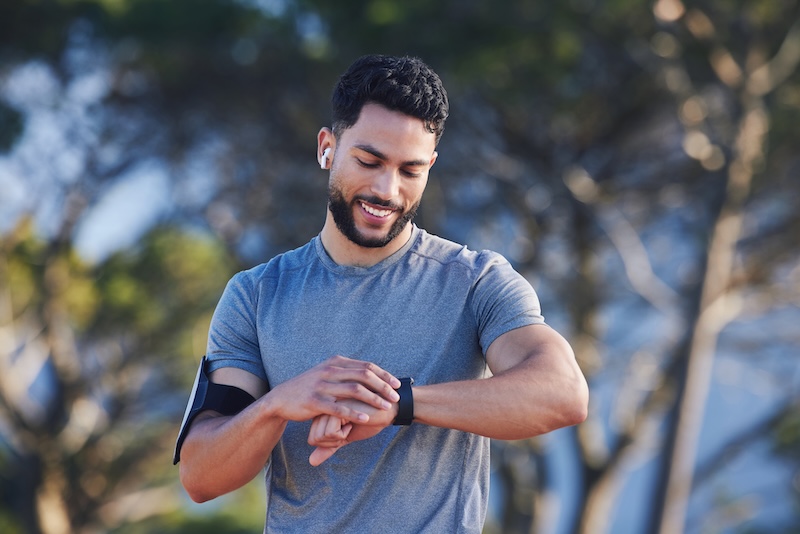
The report also examines the growing demand for wearable health tech and biohacking-driven wellness.
The global wearables market was valued at around USD $87bn in 2025 and is projected to exceed $96bn in 2026. Yet trust remains fragile:
- 63% of consumers globally do not trust AI with their personal data
- Female consumers are 2.5x more likely to invest in wearables
- Millennials are 2x more likely than other generations to invest
Wearables such as Fitbit, Whoop, Apple Watch and Ōura are reshaping how consumers approach sleep, recovery and preventative health.
For wellness professionals, this signals two key imperatives:
- Be able to interpret wearable data meaningfully
- Combine technology with human expertise
As the report notes, technology should inform care – not replace practitioner intuition, empathy and personalised decision-making.
YouTube overtakes TikTok for wellness discovery
Despite TikTok’s scale, it does not rank among the top three platforms for discovering wellness products and experiences across any generation surveyed.
Instead:
- 48% of luxury consumers discover new wellness products and experiences via YouTube
- 48% cite online forums and peer-to-peer reviews as primary drivers of trust
- TikTok accounts for just 18% of discovery among luxury consumers
This rise of long-form content reflects a broader “research mindset” in luxury wellness.
Consumers are:
- Watching in-depth video explainers
- Reading newsletters and blogs
- Comparing treatments in online forums
- Seeking second opinions before booking
For beauty and wellness professionals, this reinforces the need for:
- Educational blog content
- YouTube treatment walkthroughs
- Transparent FAQs
- Before-and-after case studies
- Thought leadership
Short-form content may drive awareness, but long-form content builds authority and EEAT (Experience, Expertise, Authority, Trustworthiness) – critical for AI Mode search visibility and Google rankings.
Community is the new luxury currency
While 52% of consumers still prioritise a luxurious one-off experience, community ranks as the third-highest priority in wellness experiences.
From social saunas and run clubs to wellness cafés and members’ spaces, shared rituals are re-emerging as a central pillar of luxury wellness.
Hospitality brands such as Six Senses are embedding members’ clubs and biohacking lounges into urban locations, while fitness studios like Blok are focusing on in-person connection over TikTok virality.
For salon, spa and clinic owners, this insight translates into:
- Hosting in-salon masterclasses
- Launching loyalty communities
- Creating WhatsApp or private client groups
- Facilitating educational events
Word-of-mouth remains one of the most powerful drivers in wellness – and increasingly happens in private group chats and forums rather than on public feeds.
Wellness is reshaping luxury spending
The report also highlights a structural shift in luxury budgets.
Among those planning to increase wellness spend, 64% say they will increase their overall luxury budget, rather than diverting from other categories
As some consumers reconsider high-ticket fashion purchases, wellness is increasingly perceived as delivering emotional, physical and social return on investment.
For the professional beauty sector, this positions advanced treatments, longevity-focused services and preventative aesthetic care as part of the broader luxury ecosystem – not a discretionary add-on.
What this means for beauty and wellness professionals in 2026
Karla Otto’s 2026 Wellness Insights Report makes one thing clear: growth in luxury wellness is strong, but trust is fragile.
To capitalise on the projected +9% growth in the global wellness industry by 2028, brands and clinics must:
- Lead with science and third-party validation
- Invest in expert voices over celebrity influence
- Prioritise long-form, educational content
- Build community alongside premium experiences
- Balance AI and data with human expertise
Methodology
The report is based on a multi-layered research approach combining cross-disciplinary expert forums, more than 20 hours of in-depth industry interviews, and a quantitative survey of 300 luxury consumers in the UK, US and France who had each spent at least $2,500 on personal or experiential luxury in the past 12 months. The consumer research was conducted in partnership with Phronesis Partners, with analysis and interpretation led by Karla Otto’s Insights, Beauty & Wellness and Hospitality teams.
You might also like: