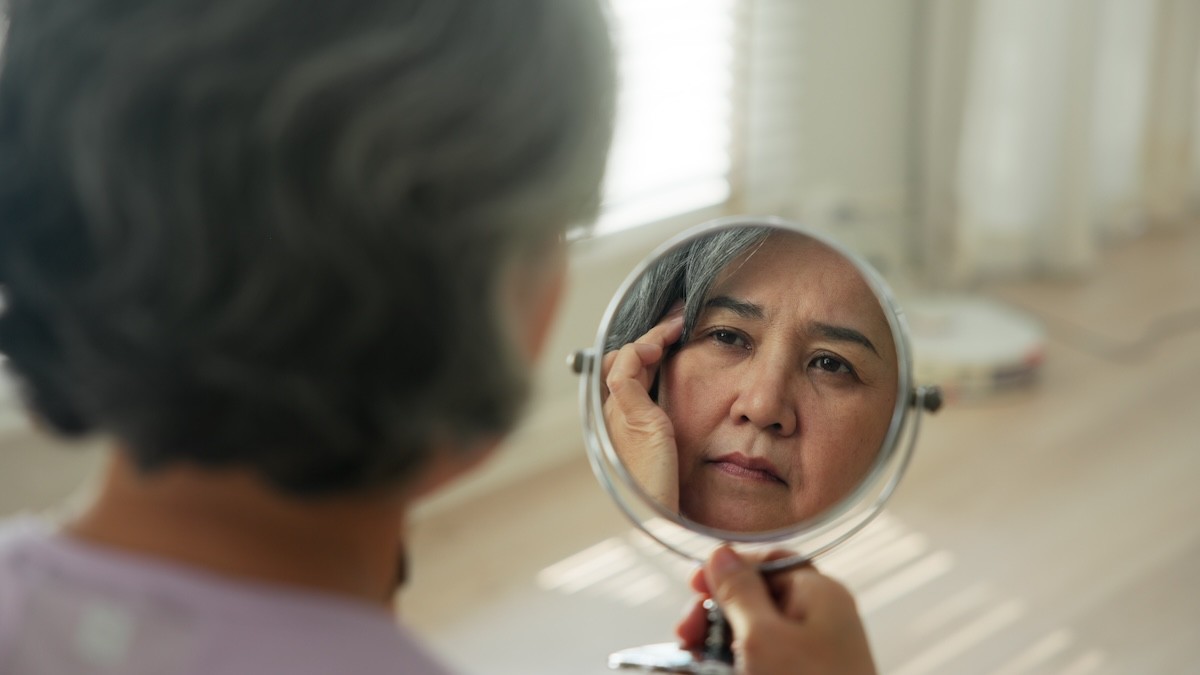
Global survey of 4,300 women reveals menopause skin changes, wellbeing impact and treatment gaps
A global survey of more than 4,300 peri- and post-menopausal women across nine countries has revealed that menopause can trigger multiple skin changes, yet awareness of these changes remains limited. The survey findings were presented by pharmaceutical company Galderma at the International Master Course on Aging Science (IMCAS) 2026 in Paris.
Menopause triggers multiple skin changes, global survey finds
According to the survey, women experienced an average of three skin changes during menopause, most commonly lines and wrinkles, loss of firmness and elasticity, dryness, and a duller skin tone. On average, these changes were rated six out of 10 in severity, highlighting their impact on overall appearance.
The study also found that menopause-related skin changes can affect emotional wellbeing, with women reporting feeling less attractive (60%), anxious (57%), less confident (55%), and less social (46%).
Knowledge gap leaves women learning about skin changes late
The survey highlighted a significant knowledge gap: over 50% of women only learned about menopause-related skin changes as they experienced them, most often in their 40s. Meanwhile, 30% would have liked to know about them in their 30s, and more than half reported being neutral or dissatisfied with their knowledge on the subject.
This lack of awareness has also affected preventative action, with most women currently using aesthetic treatments to address changes after they occur, rather than prevent them.
Aesthetic treatments show high satisfaction among menopausal women
Among treatments and interventions explored, including lifestyle changes, supplements and traditional medicine, aesthetic treatments had the highest satisfaction in reducing the visible effects of menopause according to the study.
Future interest in aesthetic treatments was high, with 47% considering anti-wrinkle treatments, 41% hyaluronic acid, 39% hyaluronic acid for skin quality, and 30% biostimulators.
Menopausal status included in clinical trials
Galderma is now incorporating menopausal status into all injectable aesthetics clinical trials to better understand how treatments can support women during this stage of life. By considering oestrogen-related skin changes, such as decreased collagen and hyaluronic acid, this approach aims to provide insights into optimising aesthetic interventions for peri- and post-menopausal women.
You might also like: