The Korean lash lift is fast becoming one of the most in-demand treatments in professional beauty – combining advanced formulation and precision technique to deliver long, lifted lashes
With K-beauty continuing to dominate globally, it’s no surprise that this next-generation lash lift has arrived from South Korea. But what makes it different from a traditional lash lift – and why are so many professionals making the switch?
What is a Korean lash lift?
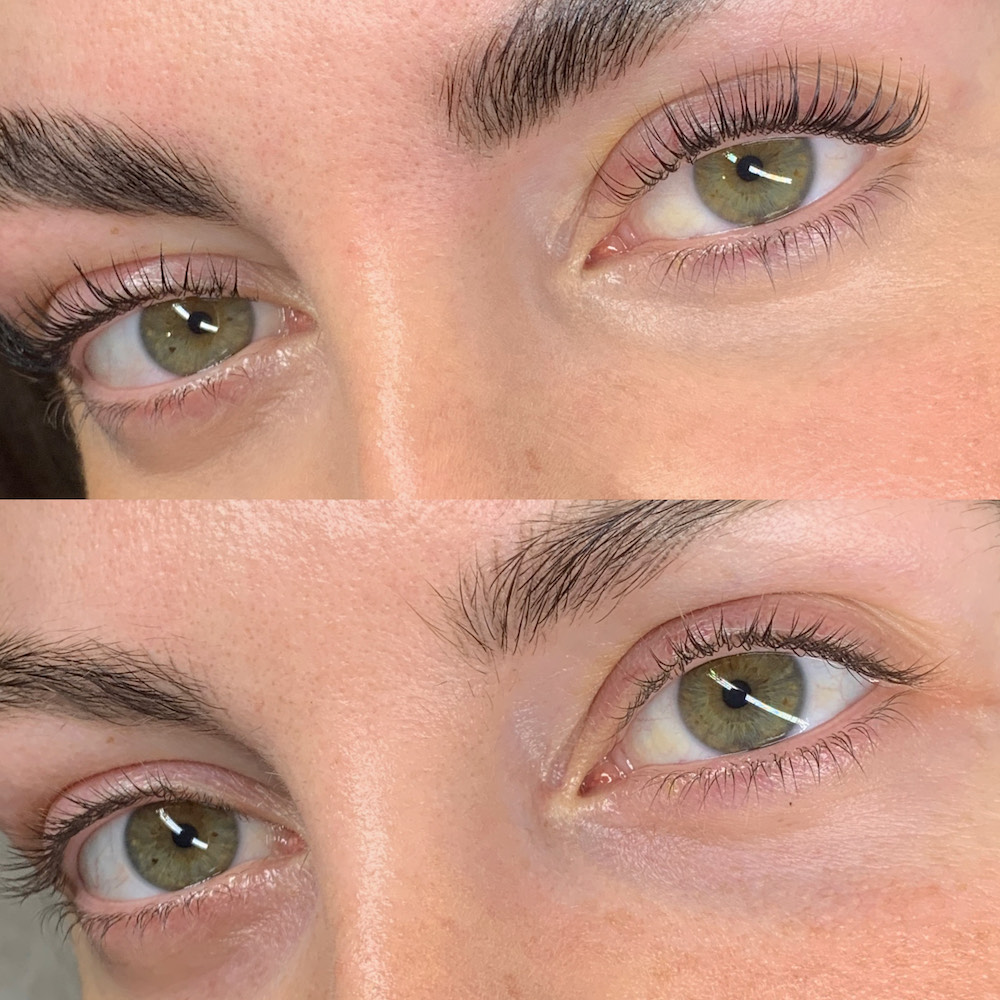
A Korean lash lift is an advanced lash-lifting technique designed to deliver long-lasting lift while prioritising the health and integrity of the natural lash.
Unlike traditional lash lifts, which typically rely on thioglycolic acid (TGA), Korean lash lifts use cysteamine – a gentler alternative derived from amino acids that processes more slowly – and reduces the risk of overprocessing.
Discussing why this matters, Rose Lonsdale, global senior education manager for Nouveau HD Beauty Group, explains, “While both ingredients break down disulphide bonds, cysteamine does this slower, giving lash artists more time to work.”
Expanding on this further, Lauren Hosannah, founder of The Lash Surgery in Tooting, explains, "The molecular structure of cysteamine is similar to the natural lash (made of the protein keratin) so when the bonds of the natural lash are broken down, it is done in a very gentle way.
"Traditional lifts use TGA, which has a very different molecular structure to the natural lash. The bonds are broken in a more aggressive and restrictive way which can cause damage and irritation if not closely managed."
Although this can add around 15 minutes to treatment times, many lash artists favour the technique for its safer, more controlled processing.
Is a Korean lash lift better for lash health?
One of the biggest appeals of the Korean lash lift is its focus on lash health – something today’s clients are increasingly prioritising.
While cysteamine itself isn’t hydrating, it’s often combined with nourishing ingredients such as keratin, peptides and hyaluronic acid.
Nancy Miles, a Hove-based lash and brow technician, explains, “When you combine it with additional ingredients like keratin, peptides and hyaluronic acid, it works to lift and set the lashes into the perfect curl while keeping the natural hairs hydrated, healthy and glossy.”
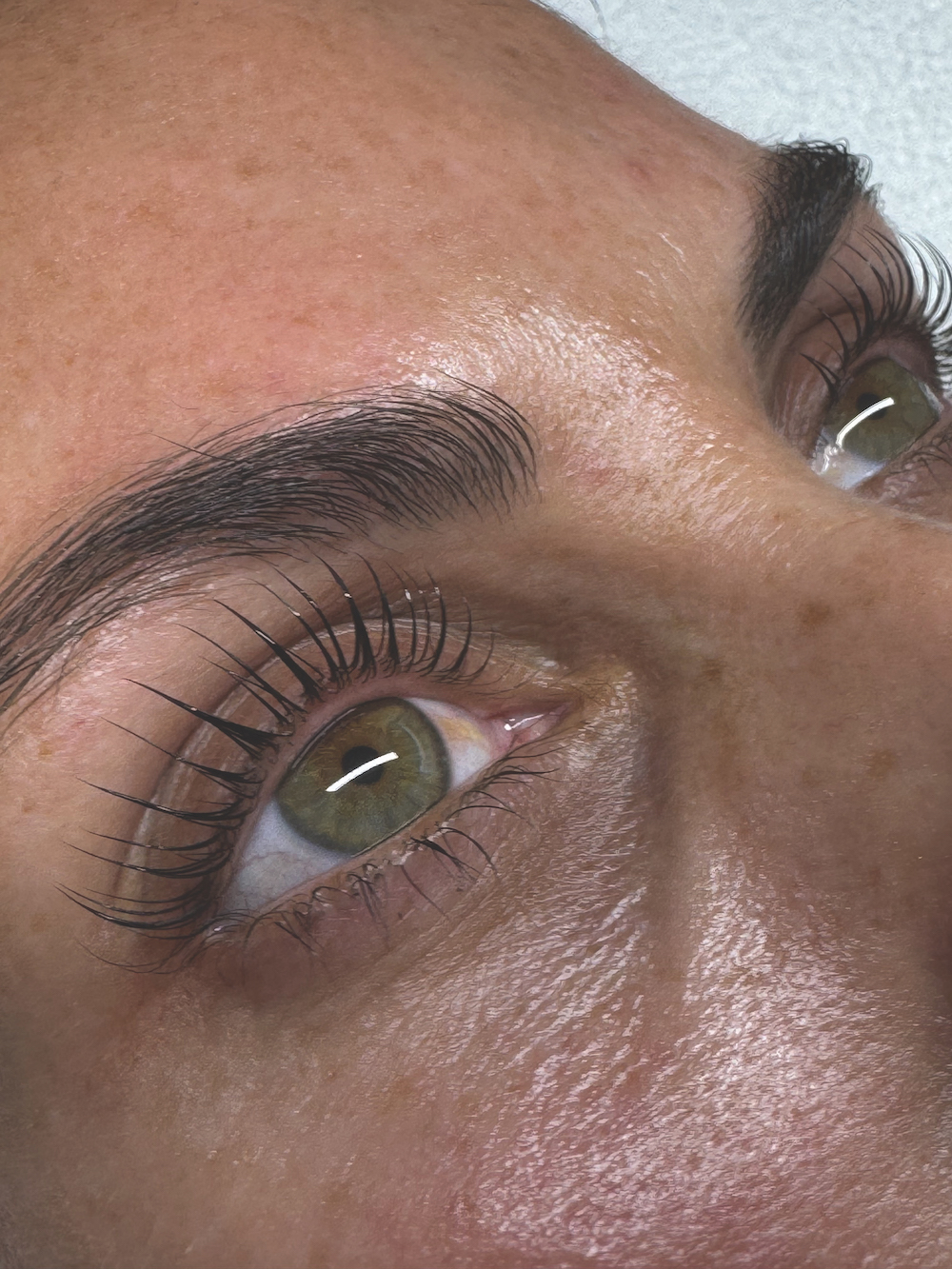
Cysteamine also has a lower pH than TGA, allowing it to be applied more evenly along the full lash length – including the tips.
Laura Victory, a Hampshire-based lash lift educator, says, “Traditional lash lifts usually use TGA-based solutions, which are too harsh to apply to the tips. However, with cysteamine-based products you can apply them to the full lash length, including the tips, resulting in more even, longer-lasting results.”
What makes a Korean lash lift different?
It’s not just the formulation that sets the Korean lash lift apart – the technique itself is different too. Many Korean lash lifts use a two-shield system.
Beverly Piper, lash specialist and founder of The Eyelash Design Company, explains, “Lashes are first pre-lifted from the root using a specially developed flat shield, and then shaped and curled with a glueless shield.”
By removing the need for adhesive, this approach can reduce irritation, making it ideal for clients with sensitive eyes.
Georgie Muscio, co-founder of Buff Browz, believes the Korean lash lift has influenced the industry as a whole. “The priority is lash health first. Korean lash artists emphasise technique, lash assessment, gentle processing and nourishing aftercare, resulting in stronger, shinier lashes over time.”
SPMU artist Nez Hasan, who also specialises in lash lifts and brow laminations, breaks down the key difference of a Korean lash lift versus a traditional lash lift:
Korean lash lift
- No lash glue is used; if needed then you use glue balm which is more natural and has oils inside rather than traditional harsh glue
- Lashes are moisturised and protected during the service
- A flat shield is used to help relax the lashes straight instead of permining on to a rod straight away
- Focus is on lash health, flexibility, and a soft natural lift.
Traditional lash lift
- Lash glue is used to stick lashes to the rod or shield
- Lashes stay dry during processing
- Focus is on creating a strong curl
"This is why Korean lash lifts are considered gentler and more nourishing compared to traditional lash lift," Hasan shares.
Aftercare and longevity
Despite the advanced process, aftercare for a Korean lash lift is similar to a traditional lift – making it easy for professionals to introduce.
Lauren Hamer, Korean lash lift educator and business coach, says, “I direct my clients to keep them dry for the first 24 hours, and to avoid mascara, steam and saunas. After that, I recommend they brush them daily and use a lash serum if they want to keep them strong. Compared to extensions, it’s basically maintenance-free.”
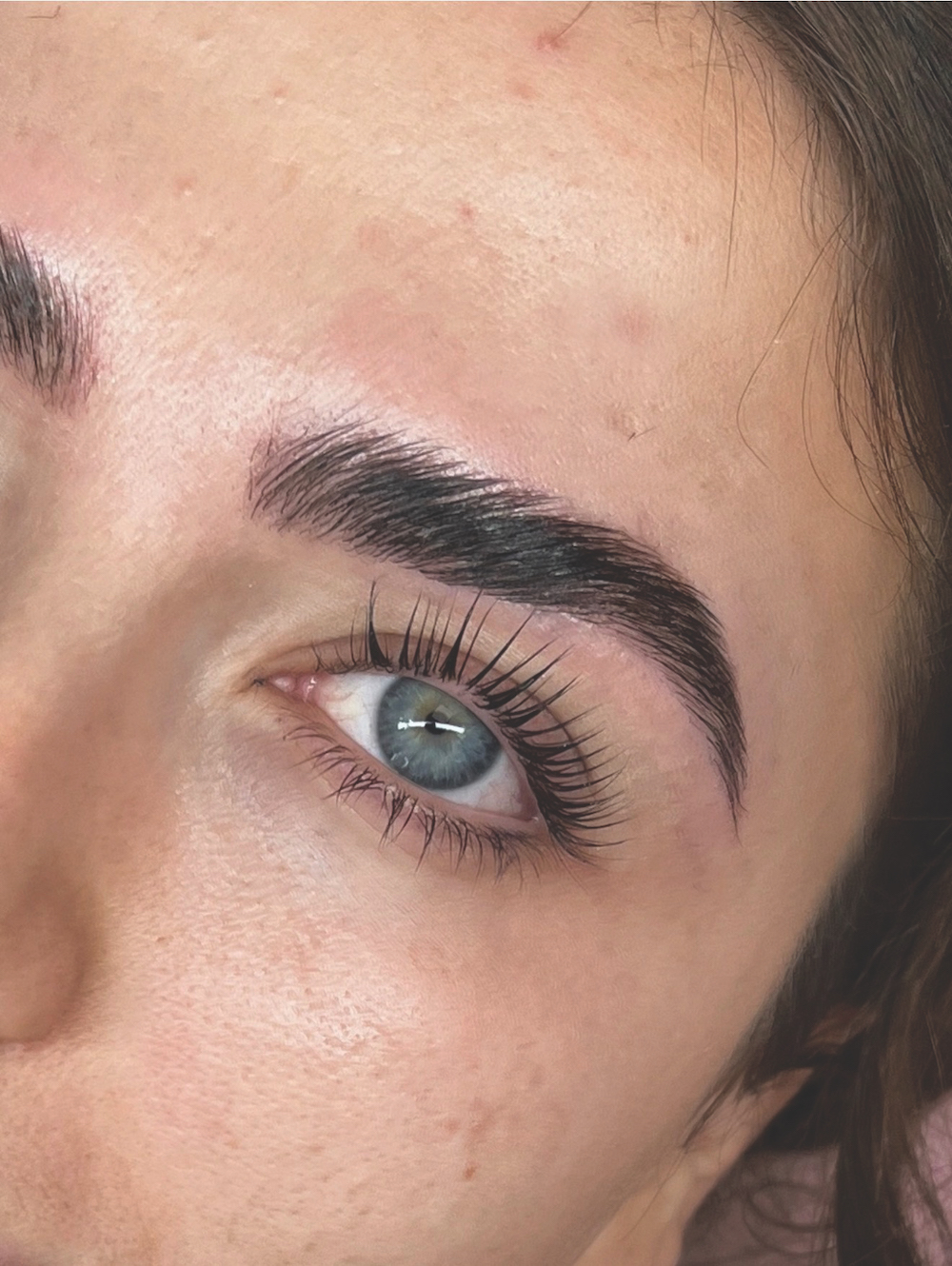
Results can last up to eight weeks, depending on lash growth cycles and aftercare. Victory explains to clients, “The results stay looking lifted for longer, much like a gel polish that lasts better when applied closer to the cuticle.”
Who Is a Korean lash lift best for?
While Korean lash lifts suit most clients, they’re especially beneficial for those with stubborn or tricky lash types. Paige McCarthy, training manager for Pinkfishes, explains, “It’s particularly great for someone that has stubborn, downturned lashes, and is also great for someone that has really curly natural lashes, as the entire lash is treated and can be reconfigured into a new shape, rather than just the base.”
Korean lash lifts are also well-suited to sensitive clients, mature clients, and those with thinner or finer lashes, according to Hosannah, thanks to the more mild nature of cysteamine.
The treatment allows for highly personalised results, with shields are available in a range of sizes, giving professionals the ability to customise the treatment based on the level of lift required.
"As the lashes aren't glued into position, techs can adjust each section of the lash for the client’s eye shape and lash direction," shares Hasan. "The Korean lash lift technique allows you to focus on working with the natural lash pattern."
However, some caution is advised. Miles adds, “The only lashes I’d be cautious with are those that are extremely brittle or over processed from a previous lift – those will need a little TLC first.”
Why training matters
As demand grows, proper education is essential. Muscio believes Korean lash lifts will soon become a core skill for modern professionals – but only when performed correctly.
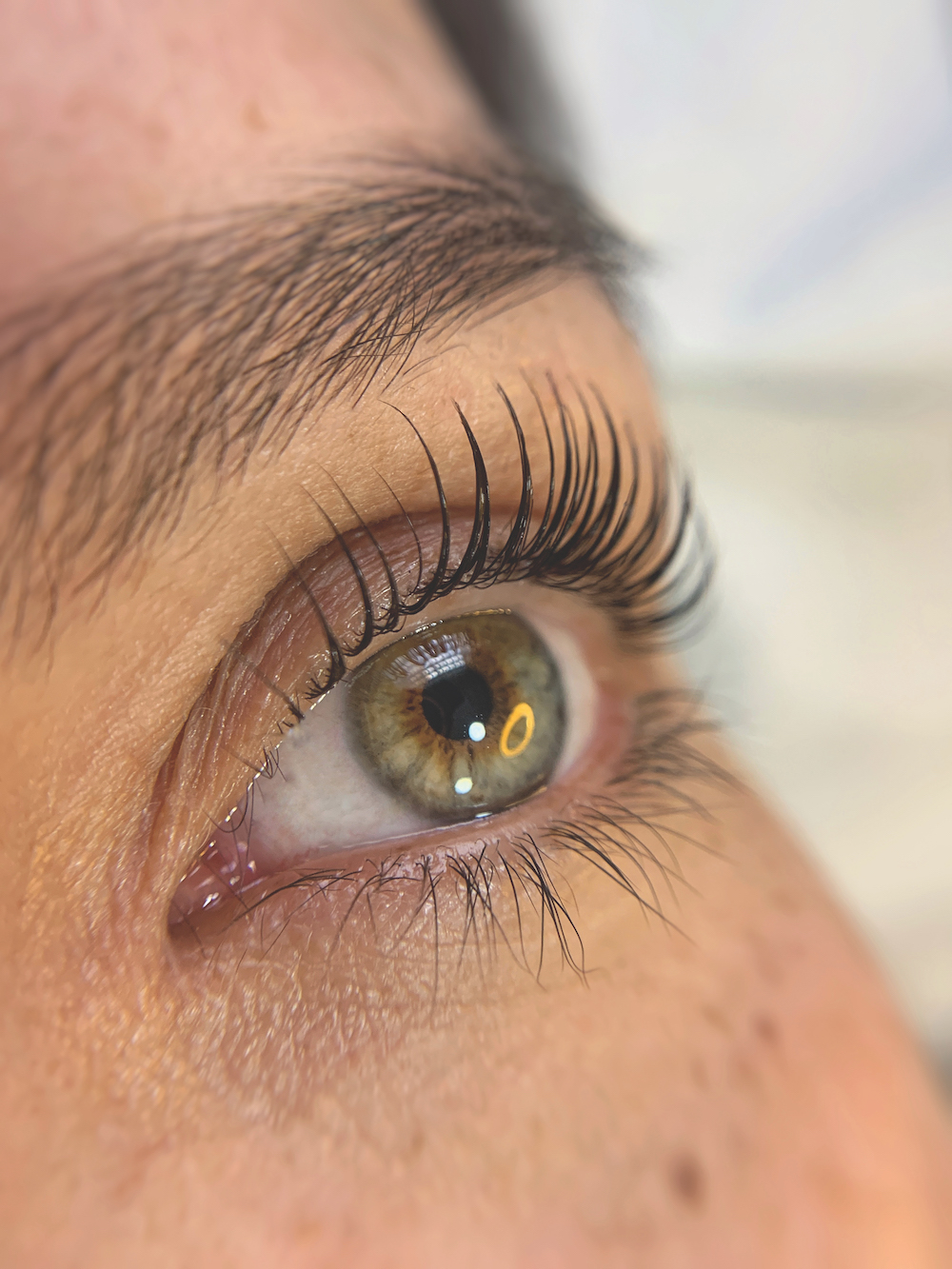
Hamer stresses, “You can’t just buy the products and wing it. Timings, shields and processing are completely different to a traditional lash lift; you need to understand lash structure, pH and how to adapt for each client.”
Lonsdale advises investing in more than one course to understand different approaches and products, adding, “It is not a one-technique-fits-all approach.”
Hosannah shares the skills and knowledge lash artists need to perform this treatment safely and effectively:
- The science behind cysteamine and how it differs from TGA
- Correct shield selection, especially for challenging lash patterns
- How to assess curl, length, direction, and suitability
- Processing times and how to check readiness to avoid under- or overprocessing
- Salon health and safety standards
- Contraindications – especially pregnancy/breastfeeding and other sensitivities
"Training is essential," Hosannah stresses. "Copying traditional-lift techniques will lead to inconsistent or unsafe results. It is not enough to learn this technique from tiktok videos or youtube, please complete professional training."
A trend with staying power
Introducing Korean lash lifts to your service menu doesn’t mean abandoning traditional treatments – it’s about offering choice. As Lonsdale shares, “Korean lash lifts have offered more choice to our treatment menus, allowing us to cater for every client who walks through the door.”
With the rise of the “clean girl” aesthetic and quiet luxury beauty, treatments that prioritise refinement and natural enhancement are only gaining momentum.
Reflecting on the shift, Miles says, “I now focus on long-term lash health in every service I offer. The Korean approach – gentle, results-driven and detail-oriented – has filtered into everything I do.”
For professionals looking to futureproof their treatment menus, the Korean lash lift offers a modern, health-conscious solution with real longevity.
You might also like: