
New UK cosmetics regulations are now taking effect, with the first changes introduced on July 15 and further ingredient bans and concentration limits following on August 15, 2026
Beauty businesses in Great Britain are facing a series of changes to cosmetic product regulations across July and August 2026.
The first changes came into force on July 15, 2026, banning the UV filter 4-MBC in newly placed cosmetic products and lowering the threshold at which products containing formaldehyde-releasing preservatives must carry a warning.
Further rules will take effect on August 15, 2026, including a ban on TPO in newly placed cosmetic products and new maximum concentration limits for the fragrance ingredient Hexyl Salicylate.
For most salon owners, therapists and nail technicians, the practical takeaway is to check professional nail stock for TPO, ask suppliers to confirm that products comply with the new rules and keep purchase and batch records for affected products.
The changes are set out in Statutory Instruments SI 2026/23 and SI 2026/109 and apply in England, Scotland and Wales. Northern Ireland continues to follow EU cosmetics legislation.
What UK cosmetics rules changed on July 15, 2026?
Two changes introduced by SI 2026/23 came into force in Great Britain on July 15.
These relate to:
- the UV filter 4-MBC
- warning labels on products containing formaldehyde-releasing preservatives
The changes primarily affect cosmetic brands, manufacturers, importers and Responsible Persons, but salons should also be aware of them when purchasing and retailing products.
4-MBC is now banned in newly placed cosmetic products
The UV filter 3-(4′-methylbenzylidene)-camphor, commonly known as 4-MBC or Enzacamene, has been added to the list of substances prohibited in cosmetic products.
It has also been removed from the list of UV filters permitted for use in cosmetics.
The Government’s explanatory memorandum says the change follows scientific advice that there is “a potential risk to human health arising from the use of this substance in a cosmetic product”.
From July 15, 2026, products containing 4-MBC cannot be newly placed on the Great Britain market.
Products that were legally placed on the market before that date may continue to be sold or otherwise supplied until the end of January 14, 2027. The Cosmetic, Toiletry and Perfumery Association (CTPA) refers to this as an off-shelf date of January 15, 2027.
For most salons, the practical step is to ask skincare suppliers whether any professional or retail products are affected.
Formaldehyde warning rules have also changed
The threshold at which certain finished cosmetic products must carry a formaldehyde warning has been lowered.
Products containing preservatives listed in Annex V of the cosmetics regulation must now carry the warning – “releases formaldehyde” – where the concentration of formaldehyde released by the finished product exceeds 0.001%.
The previous threshold was 0.05%. SI 2026/23 also changes the wording of the provision from products that “contain” formaldehyde to products that “release” it.
This is mainly a labelling and product compliance responsibility for brands and Responsible Persons.
Salons do not need to calculate the amount of formaldehyde released by a product. However, newly supplied products should carry any warning required under the updated rules.
Products that were placed on the Great Britain market before July 15, 2026 and met the previous labelling rules may continue to be made available until the end of January 14, 2027.

What UK cosmetics rules change on August 15, 2026?
A second set of changes takes effect in Great Britain on August 15.
These include:
- a ban on 16 substances classified as carcinogenic, mutagenic or toxic for reproduction, including TPO
- new concentration limits for Hexyl Salicylate
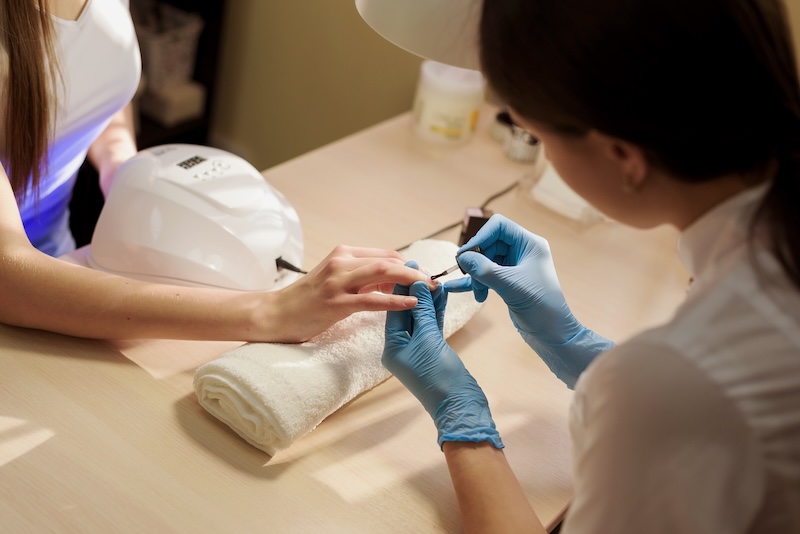
For beauty professionals, TPO is likely to be the most relevant newly prohibited ingredient because it has been used in some UV- and LED-cured nail products.
Is TPO being banned in UK nail products?
Yes. From August 15, 2026, cosmetic products containing TPO cannot be newly placed on the Great Britain market.
TPO stands for Trimethylbenzoyl Diphenylphosphine Oxide. It acts as a photoinitiator in some UV- and LED-cured products, helping the formula harden when exposed to a curing lamp.
SI 2026/23 adds TPO and 15 other substances to Annex II of the Great Britain cosmetics regulation, which is the list of substances prohibited in cosmetic products.
The substances have been classified as category 1B or category 2 carcinogenic, mutagenic or toxic for reproduction, commonly shortened to CMR substances.
The CTPA says TPO is the only one of the 16 newly prohibited entries with an INCI name known to be used in cosmetic products.
The change is therefore particularly relevant to:
- nail technicians
- nail salons
- beauty training academies
- gel-polish and nail-system brands
- wholesalers and distributors
- salons importing nail products directly
- businesses selling own-label nail products
Which nail products should salons check for TPO?
Salons should check the ingredient information for:
- gel polishes
- builder gels
- base coats
- top coats
- sculpting gels
- bonding products
- other UV- or LED-cured nail cosmetics
Look for the INCI name Trimethylbenzoyl Diphenylphosphine Oxide.
Not every gel or nail system contains TPO, and salons should not assume that every product from a particular brand is affected.
The most reliable approach is to ask the manufacturer, brand or distributor to identify any affected products and confirm whether replacement formulas are compliant with the new Great Britain rules.
Can salons still buy TPO nail products after August 15?
Some qualifying TPO products may remain available for a transitional period.
Products containing TPO that were legally placed on the Great Britain market before August 15, 2026 may continue to be sold or otherwise supplied until the end of February 14, 2027.
The CTPA describes the corresponding off-shelf date as February 15, 2027.
This does not mean that any TPO product manufactured or imported after August 15 can be sold until February.
The transition applies only to products that had already been legally placed on the Great Britain market before the August deadline.
Salons should ask suppliers to confirm that stock sold during the transitional period qualifies under the rules.
When must salons stop using TPO products on clients?
The legislation sets deadlines for placing products on the market and making products available, rather than explicitly setting a final date for using a product during a salon treatment.
The CTPA’s interpretation is that beauty professionals may continue to use legally acquired products containing banned ingredients on clients after the off-shelf deadline until the stock runs out.
However, professionals cannot purchase affected products from distributors after the making-available deadline.
The CTPA says it discussed this interpretation with Trading Standards and that both parties are aligned on the position.
This is industry regulatory guidance rather than wording contained directly in SI 2026/23, so salons should:
- keep invoices and purchase records
- retain batch numbers and supplier correspondence
- obtain confirmation that stock was legally supplied
- stop purchasing TPO products after the off-shelf deadline
- avoid selling or transferring remaining TPO stock after that date
Does the TPO ban mean existing nail products are suddenly unsafe?
The prohibition follows TPO’s classification under separate chemicals legislation rather than a newly identified incident involving salon treatments.
It also says professional products containing TPO remain legal to use in salons until stock lasts, subject to its interpretation of the making-available rules.
Salons should avoid making broad safety claims to clients. A clear explanation is that ingredient regulations have changed and affected brands are reformulating their products.
Is Hexyl Salicylate being banned?
No. Hexyl Salicylate is being restricted, not banned.
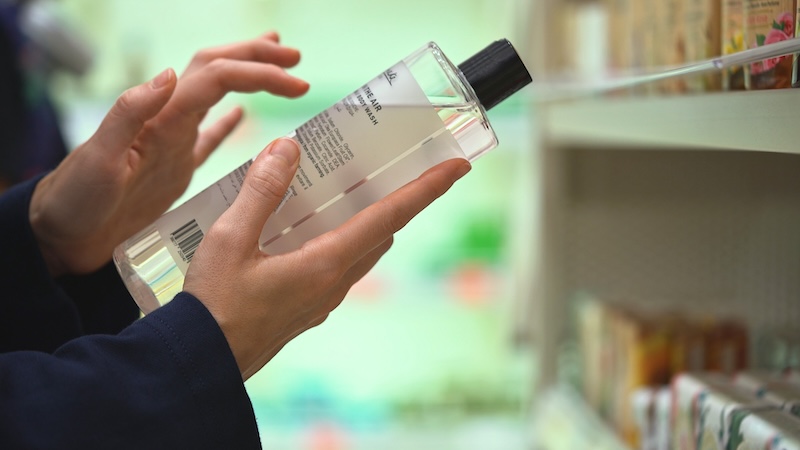
Hexyl Salicylate, also called Hexyl 2-hydroxybenzoate, is used as a fragrance ingredient in different types of cosmetic product.
SI 2026/109 adds it to Annex III of the Great Britain cosmetics regulation. This is the list of substances that may be used only under specified conditions.
The explanatory note says the restrictions are intended to ensure different cosmetic product types contain “safe levels of hexyl salicylate”, following advice from the Scientific Advisory Group on Chemical Safety.
The new maximum limits apply from August 15, 2026.
What are the new Hexyl Salicylate limits?
The permitted maximum concentration depends on the product category and, in some cases, whether the product is intended for a child under three.
Key limits include:
|
Cosmetic product category |
Maximum Hexyl Salicylate concentration |
|
Fragrance products for adults and children over three |
2% |
|
Rinse-off skin and hair products for adults and children over three |
0.5% |
|
Specified leave-on skincare for adults and children over three |
0.3% |
|
Lip products for adults and children over three |
0.3% |
|
Deodorants |
0.3% |
|
Leave-on hair products |
0.3% |
|
Face makeup products |
0.3% |
|
Nail products |
0.5% |
|
Toothpaste and mouthwash |
0.001% |
|
Relevant products intended for children under three |
Generally 0.1%, depending on the category |
The complete category-specific limits are contained in Schedule 2 of SI 2026/109.
Which salon products could contain Hexyl Salicylate?
Because Hexyl Salicylate is a fragrance ingredient, it may appear in a wide range of cosmetic products, including:
- massage and body products
- fragranced facial products
- cleansers
- shampoos and conditioners
- leave-in hair products
- makeup
- lip products
- deodorants
- nail products
- perfumes
- body fragrances
Seeing Hexyl Salicylate in an ingredient list does not mean that a product breaches the new rules.
Cosmetic ingredient labels normally show which ingredients are present but do not state their exact concentration.
The manufacturer, supplier or Responsible Person should confirm whether the product complies with the limit for its category.
Can salons sell existing Hexyl Salicylate products?
Products containing Hexyl Salicylate above the relevant new limit may continue to be made available only if they were legally placed on the Great Britain market before August 15, 2026.
Qualifying stock may continue to be supplied until the end of February 14, 2027.
Salons should not assume that a product qualifies simply because it was bought before February 2027.
Ask the supplier to confirm that it was placed on the Great Britain market before the August deadline and is covered by the transitional provision.
The CTPA guidance specifically discusses professional use of products containing banned ingredients. Salons seeking to continue using a product that exceeds a new concentration restriction should obtain confirmation from the supplier or Responsible Person rather than automatically assuming the same interpretation applies.

What should salon owners do before August 15?
1. Audit professional nail stock
Check UV- and LED-cured products for the ingredient name Trimethylbenzoyl Diphenylphosphine Oxide.
Record the product name, brand, batch number and purchase date.
2. Ask suppliers for written confirmation
Ask brands, wholesalers and distributors to confirm:
- whether products contain TPO
- whether products supplied after August 15 comply with the new rules
- whether older stock qualifies for the transitional period
- whether fragranced products comply with the relevant Hexyl Salicylate limit
3. Keep purchase and batch records
Retain invoices, order confirmations, batch details and supplier correspondence.
This is particularly important for products that may remain in professional use after an off-shelf deadline.
4. Do not try to calculate concentrations yourself
A salon cannot determine the percentage of Hexyl Salicylate from the ingredient list.
Ask the supplier or Responsible Person to confirm compliance.
5. Check imported and own-label products carefully
A salon that imports products directly, sells products under its own name or changes a product or its labelling may have wider legal responsibilities.
These businesses should speak to their Responsible Person or a qualified cosmetics regulatory adviser.
Do the same cosmetics rules apply in Northern Ireland?
No. SI 2026/23 and SI 2026/109 extend to England, Wales and Scotland, collectively referred to as Great Britain.
Northern Ireland continues to follow the EU Cosmetics Regulation under the post-Brexit Windsor Framework.
The related EU ingredient rules and implementation dates therefore apply in Northern Ireland rather than the Great Britain dates set out in these statutory instruments.
There is some overlap between the EU and Great Britain requirements, but businesses should not assume that every deadline, concentration limit or transitional arrangement is identical.
Salons and suppliers operating in both markets should check each product against the rules applying in its destination market.
Businesses moving qualifying Northern Ireland goods into Great Britain may also be subject to unfettered-access provisions. Businesses relying on those arrangements should obtain market-specific regulatory advice.

Key UK cosmetics regulation dates for salons
|
Date |
What changes |
|
July 15, 2026 |
4-MBC is banned in products newly placed on the GB market |
|
July 15, 2026 |
The formaldehyde warning threshold changes to 0.001% |
|
August 15, 2026 |
TPO and 15 other CMR entries are prohibited in products newly placed on the GB market |
|
August 15, 2026 |
New Hexyl Salicylate concentration limits take effect |
|
January 14, 2027 |
Final day qualifying stock affected by the July changes may be made available |
|
February 14, 2027 |
Final day qualifying stock affected by the August changes may be made available |
|
After February 14, 2027 |
Salons cannot buy or sell TPO products, but may continue using legally acquired professional stock until it runs out under the CTPA/Trading Standards interpretation |
Frequently asked questions about the 2026 cosmetics changes
Do salons need to throw away TPO products on 15 August 2026?
No. Products legally placed on the Great Britain market before 15 August may continue to be supplied during the transitional period.
The CTPA also says professionals may continue to use legally acquired products on clients until stock runs out, although they cannot purchase further products after the off-shelf deadline.
Can salons buy TPO products after 15 August?
Qualifying stock that was already placed on the Great Britain market before 15 August may continue to be sold until the end of 14 February 2027.
Ask the supplier to confirm that the product qualifies.
Is Hexyl Salicylate banned in the UK?
No. It remains permitted in Great Britain within maximum concentrations that vary by product category.
Does Hexyl Salicylate appearing on a label mean the product is illegal?
No. Its presence does not show whether the concentration exceeds the relevant limit.
The supplier or Responsible Person should confirm compliance.
Do salons need to laboratory-test products?
Salons buying finished products through established suppliers would not normally be expected to conduct laboratory testing.
They should obtain written confirmation from the supplier, manufacturer or Responsible Person.
What ingredient name should nail technicians look for?
Look for Trimethylbenzoyl Diphenylphosphine Oxide, the INCI name for TPO.
Do these rules apply in Northern Ireland?
No. Northern Ireland follows EU cosmetics legislation, so businesses should check the separate EU requirements and deadlines.
What beauty professionals need to remember
The most important actions for salon owners are:
- Check UV- and LED-cured nail products for TPO.
- Ask suppliers to confirm that products comply with the July and August changes.
- Keep invoices, batch numbers and written supplier responses.
- Do not assume Hexyl Salicylate is non-compliant simply because it appears on a label.
- Remember that the deadline for selling or supplying stock is not necessarily the same as the position on using legally acquired professional stock.
- Check the separate rules if you operate in Northern Ireland or supply products across both Great Britain and Northern Ireland.