
New research suggests many UK adults may be falling short of essential vitamins, minerals and omega-3 fats, with possible implications for energy, mood, sleep and long-term wellbeing
A new report has raised concerns about the nation’s nutritional health after finding that 93% of UK adults believe their food choices could be healthier.
The Dietary Deficits and Future Health and Wellness Fallouts report, published by the Health and Food Supplements Information Service (HSIS), also found that 85% of adults have worried about gaps in their nutrient intake, while 73% are concerned that they may not be getting everything they need from their diet.
The report combines consumer research commissioned by HSIS with an analysis of data from the National Diet and Nutrition Survey (NDNS). The consumer findings are based on an omnibus survey of 1,505 UK adults conducted in July 2025.
Its authors warn that shortfalls in nutrients including vitamin D, iron, calcium, folate, iodine, selenium, potassium and omega-3 fatty acids could have implications for both everyday wellbeing and future health.
For beauty professionals, the findings underline the close relationship between nutrition and clients’ wider physical and mental wellbeing. However, symptoms such as tiredness, low mood or changes to the skin, hair and nails can have many causes and should not be treated as proof of a nutritional deficiency.
Tiredness and low energy among most common symptoms reported
Almost half of the adults surveyed, 49%, reported experiencing tiredness, while 41% had experienced low energy levels.
Other commonly reported health and wellbeing concerns included:
- Sleeplessness: 34%
- Low mood: 30%
- Fatigue: 29%
- Stress or anxiety: 26%
- Depression: 22%
- Headaches: 19%
- Poor mental health: 14%
- Bloating or stomach cramps: 13%
Public health nutritionist Dr Emma Derbyshire, one of the report’s authors, said the pattern of multiple nutrient shortfalls was of particular concern.
“Each vitamin and mineral shortfall is problematic in itself, but it’s the pattern of multiple gaps that is particularly worrying.
“These will, inevitably, mean that many people are at risk of sub-optimal functioning and performance on a day-to-day basis, and may well be showing signs of insufficiency – even if they don’t recognise the link between their nutrient status and common niggles such as fatigue, brain fog, low mood, brittle nails or dry skin and hair.”
The report does not establish that nutrient shortfalls caused the symptoms reported by survey participants. Persistent fatigue, sleep problems, low mood or changes in the skin, hair and nails should be discussed with an appropriate healthcare professional.

Women and girls face significant iron and nutrient shortfalls
The report highlights particular nutritional concerns for women and adolescent girls, including shortfalls in iron, folate, iodine, selenium and zinc.
Women aged 19 to 64 achieved an average of 71% of the Reference Nutrient Intake for iron, according to the NDNS analysis cited in the report, while 34% had iron intakes below the Lower Reference Nutrient Intake.
Iron is needed to produce red blood cells, which carry oxygen around the body. Low iron levels can be associated with symptoms including tiredness, weakness, breathlessness and a lack of energy.
Dr Derbyshire said, “Women lose iron during menstruation, which makes them more prone to low iron deficiency and iron-deficiency anaemia. Without enough iron, there is a greater risk of iron-deficiency anaemia, which can lead to tiredness, breathlessness, weakness and fatigue.”
The report also states that nearly three quarters of women of childbearing age had blood folate levels below those considered necessary to protect against neural tube defects, citing a recent UK study.
Meanwhile, urinary iodine measurements showed evidence of insufficiency among girls aged 11 to 18 and women of childbearing age. Iodine is required for healthy thyroid function and metabolism.
These findings may be particularly relevant to businesses working with women across different life stages, but beauty professionals should remain within their scope of practice. Concerns about possible deficiencies, unexplained symptoms or supplement use should be referred to a GP, pharmacist, registered dietitian or other qualified practitioner.
Vitamin D, calcium and selenium among UK nutrient concerns
The report identifies vitamin D as another widespread dietary gap.
NDNS data included in the report indicates that food provided only 21% of the recommended vitamin D intake among children aged 18 months to 18 years and 27% among adults.
Few foods naturally contain substantial amounts of vitamin D. In the UK, the NHS advises people to consider taking a daily supplement containing 10 micrograms of vitamin D during autumn and winter, when the body cannot make enough through sunlight.
Calcium intake was also highlighted. Around 9% of adults and 17% of children aged 11 to 18 had calcium intakes below the Lower Reference Nutrient Intake. Calcium supports healthy bones and teeth, blood clotting and muscle contractions.
Selenium shortfalls were especially pronounced among women. The report states that selenium intakes fell below the Lower Reference Nutrient Intake among 57% of women aged 19 to 64, 54% of women aged 65 to 74 and 59% of women aged 75 and over.
Dr Derbyshire said, “We knew there were a number of entrenched gaps in nutrient intakes, but the extent of the shortfalls exposed by our analysis, and declining intakes of so many nutrients, was a surprise - and a very unwelcome one.”

Why are UK adults missing essential nutrients?
Cost, confusion and changing dietary habits were identified as key barriers to better nutrition.
More than a third of consumers, 34%, said healthy foods were too expensive, while 61% reported that the cost-of-living crisis had affected their food choices.
The survey also found that:
- 61% try to eat the recommended five portions of fruit and vegetables a day
- 30% try to eat fish twice a week
- 26% choose wholegrain bread, rice or pasta where possible
- 24% try to limit ultra-processed foods
- 24% try to limit saturated fat
The report argues that the amount of conflicting diet and wellness advice available to consumers may also be making it harder to focus on basic nutritional needs.
Dietitian and HSIS adviser Dr Carrie Ruxton said, “We seem to have slipped into a scenario where many consumers can’t see the wood for the trees when it comes to nutrition. There is a lot to be said for going back to basics and focusing on the nutrient content of our diets, rather than getting hung up on the latest eating trends or avoiding particular food groups.
“Overly simplistic mantras, such as ‘avoid ultra-processed foods’, are unhelpful and mean that some consumers might be put off inexpensive and healthier processed options – such as baked beans, soya milk, cooking sauces or fortified breakfast cereals.”
Which foods can help improve nutrient intake?
The report recommends prioritising a varied, nutrient-dense diet rather than focusing on individual “superfoods” or restrictive dietary trends.
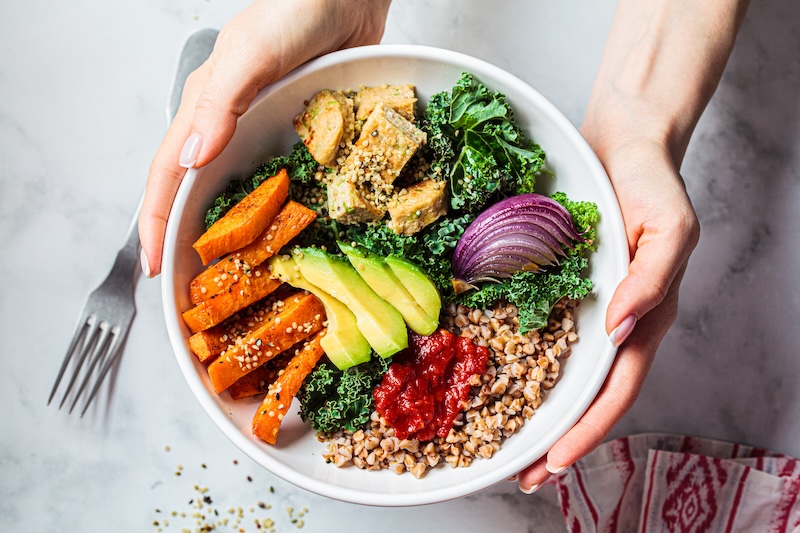
Suggested food-first strategies include eating fruits and vegetables in a range of colours, choosing wholegrains, including beans and pulses in meals and consuming sufficient sources of protein.
Oily fish such as salmon, sardines, trout and herring provides the long-chain omega-3 fatty acids EPA and DHA. UK guidance recommends eating at least two portions of fish each week, including one portion of oily fish, but the report says consumption remains considerably below this level.
Combining certain foods may also improve nutrient absorption. Vitamin C-rich foods can help the body absorb iron from plant sources, while vitamin D supports calcium absorption. Adding olive or rapeseed oil to vegetables can help with the absorption of fat-soluble vitamins.
Dr Derbyshire said, “Different colours mean different nutrients. Orange and yellow fruits and vegetables contain beta-carotene (a type of vitamin A); red and purple variants contain vitamin C and antioxidants, while green fruits and vegetables contain folate, magnesium and iron.”
Should people take vitamin and mineral supplements?
HSIS recommends using multivitamin, multimineral and omega-3 supplements to help bridge dietary gaps. However, HSIS is an information service focused on vitamins, minerals and food supplements, and its experts include advisers to the organisation.
The report’s supplement recommendations should therefore be considered in that context and should not replace a balanced diet, individual medical advice or testing where a deficiency is suspected.
Supplement needs vary according to factors including age, diet, pregnancy, medical conditions and medication use. Some nutrients can also be harmful in excessive amounts or interact with medicines.
Practitioners should avoid diagnosing deficiencies or recommending therapeutic doses unless they hold appropriate nutrition or healthcare qualifications. Clients seeking personalised advice should be directed to a GP, pharmacist or registered dietitian.
You might also like:
- The nutrition trends every beauty professional needs to know
- What is "Proteinmaxxing" and how does protein benefit skin and nails?
- Collagen supplements improve skin elasticity and hydration but are “not a cure-all”, new review finds
- How gut health affects the skin: what beauty professionals need to know