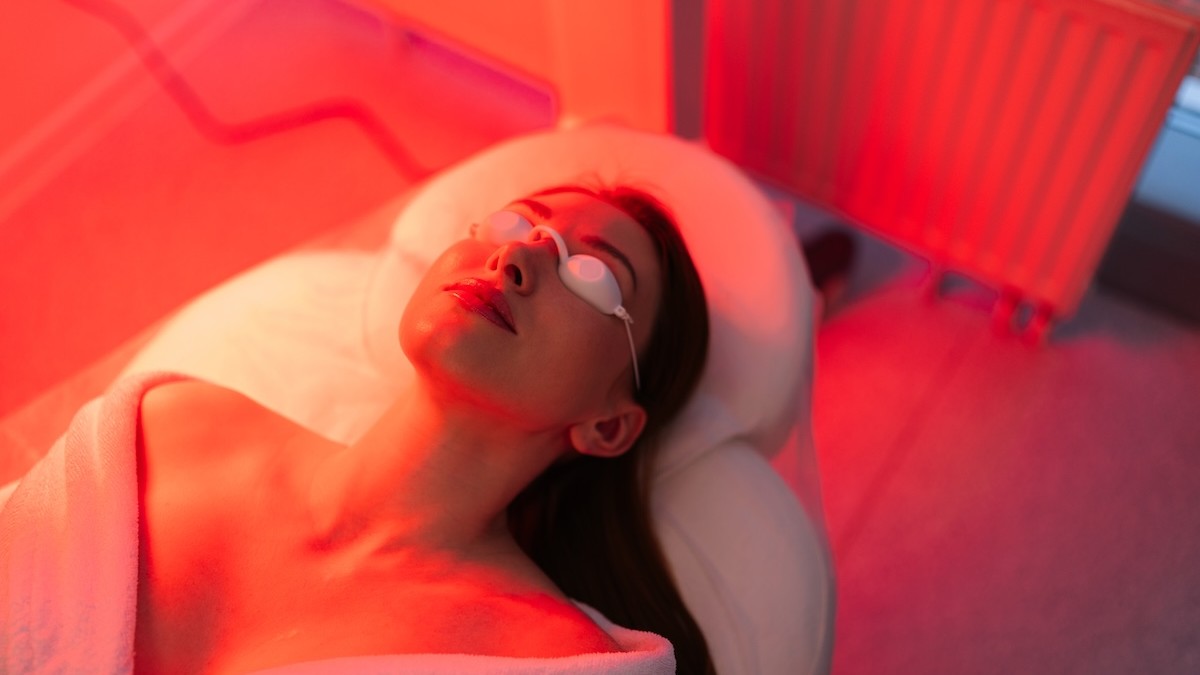
New data shows red light therapy is being adopted as a core beauty tool, with UK consumers increasingly prioritising skin results and evidence-led wellness technology
Wellness technology, including red light therapy, is rapidly moving into the mainstream as consumers look to counteract the effects of modern lifestyles on sleep, skin and overall wellbeing.
According to the Bon Charge Global Wellness Tech Trend Report 2026, the category has seen significant growth over the past year, with red light therapy and blue light blocking devices among the most widely adopted tools globally.
The report is based on research conducted by Opinium in December 2025, surveying 7,000 adults across the UK, US, UAE and Australia, offering insight into how and why consumers are integrating wellness technology into their routines.
Red light therapy adoption accelerates globally
Red light therapy is now used or trialled by 34% of consumers across the four markets studied, making it one of the most widely adopted wellness technologies.
Crucially, adoption is recent. Around 86% of global users started using red light technology within the past two years, highlighting how quickly the category is scaling.
This surge reflects a broader shift in consumer behaviour, with wellness technology becoming a regular part of daily routines rather than a niche or specialist offering.
Beauty and skin concerns drive red light therapy usage
The report highlights a clear shift towards aesthetic motivations, particularly relevant for beauty professionals.
Skin-related goals are now the leading driver of red light therapy usage in the UK, Australia and UAE.
Globally, the top reasons for using red light therapy include:
- Improving skin appearance (36%)
- Achieving younger-looking skin (28%)
- Supporting skin concerns and overall complexion
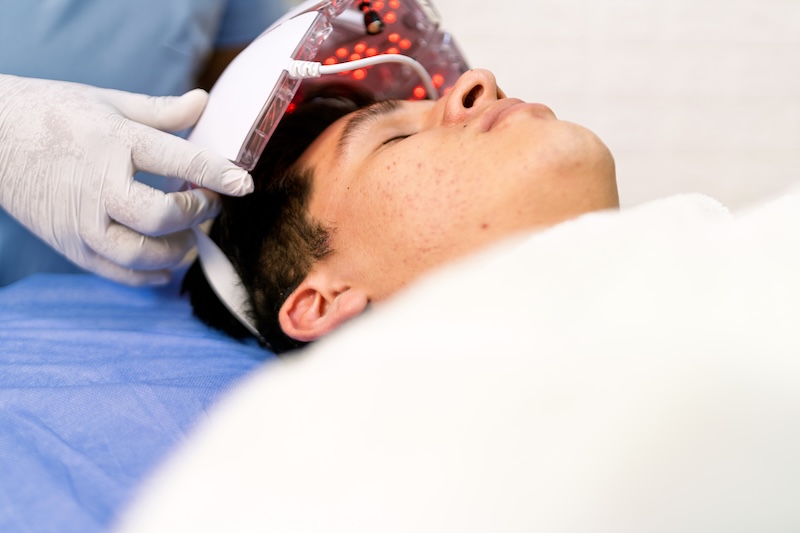
The red light LED face mask has emerged as the most popular device category across all regions, reinforcing the positioning of red light therapy as a beauty-first technology rather than purely recovery-focused.
UK market: growing demand for beauty-led wellness tech
While the UK lags behind other regions in overall adoption, momentum is building, particularly among younger consumers.
In the UK:
- 26% of adults have used red light therapy
- Under-35s are leading engagement across both red light and blue light technologies
- 87% of red light users started within the last two years
Beauty is a key entry point. The primary reason for red light therapy use in the UK is as a general beauty tool to improve skin appearance.
Notably, the UK is the only market where women slightly lead men in red light therapy usage (27% vs 24%), signalling strong relevance for the professional beauty sector.
Under-35s and social influence fuel growth
Younger consumers are driving adoption globally, with under-35s leading engagement across all wellness technologies studied.
Social media and influencer marketing are also playing a significant role. In the UK, 35% of consumers have tried red light therapy after seeing a celebrity or influencer endorsement.
This highlights an opportunity for beauty brands and professionals to align treatments and retail offerings with consumer awareness driven by digital platforms.
Demand for science-backed beauty tools rises
A key insight for the professional beauty market is the growing demand for evidence-led products and treatments.
More than half of UK consumers (54%) say they do not trust skincare or beauty products without scientific backing.
This reflects a wider global trend, where consumers increasingly expect transparency, credible research and clear explanations of how technologies work.
Blue light and wellness tech create cross-category opportunities
While red light therapy is gaining traction, blue light blocking devices remain the most widely used wellness technology globally, with 35% adoption.
In the UK, 26% of consumers have used blue light blocking devices, primarily to prevent discomfort from screens and support sleep.
This overlap between skin health, sleep and digital lifestyles presents cross-selling opportunities for beauty professionals, particularly in holistic wellness offerings.
What this means for beauty professionals
The report signals a clear shift in how consumers view beauty and wellness, with technology playing an increasingly central role.
Key takeaways for the professional beauty sector include:
- Red light therapy is now positioned as a mainstream beauty tool
- Skin benefits are the primary driver of adoption
- Younger consumers are leading demand
- Clients are increasingly seeking science-backed, evidence-led treatments
As wellness technology continues to evolve, salons and spas have an opportunity to integrate these tools into treatments and retail, meeting rising demand for results-driven, tech-enabled beauty solutions.