LED light therapy is widely used in professional beauty treatments, but not all devices are created equal – aesthetic nurse Pam Cushing explores the key factors practitioners should consider when selecting an LED system for safe and effective cosmetic treatments
When selecting an LED device, one of the most important considerations is whether it holds the right credentials. FDA clearance and CE marking indicate that a device has been rigorously tested for safety and efficacy. It’s also worth choosing a multi-functional device. A single system should ideally meet a range of skincare and wellness needs and be suitable for use anywhere on the body, offering greater value and flexibility in a professional setting.
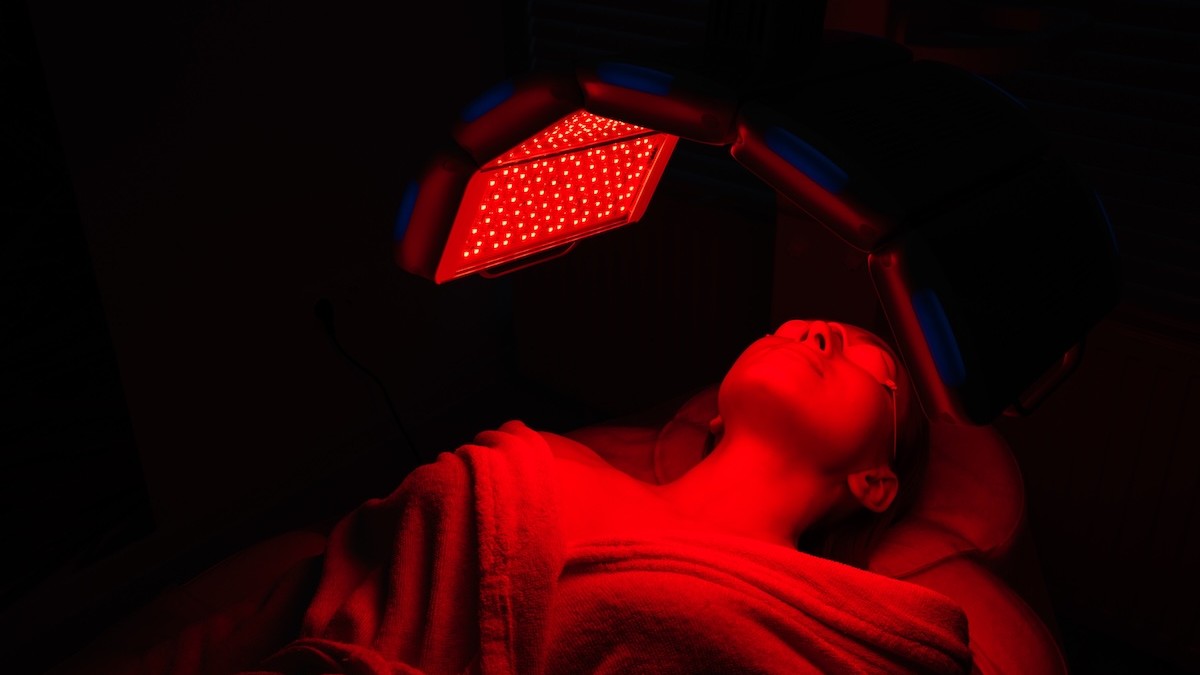
Based on Nasa’s seminal research, the effective wavelengths are blue, red and near-infrared. These have been widely shown to increase adenosine triphosphate (ATP) production in cells compromised by ageing, illness, disease or lifestyle factors. Blue addresses acne, while red and near-infrared help decrease inflammation and increase micro-circulation, bringing oxygen and nutrients.
Find out more about the benefits of red light therapy here.
There is no credible research supporting therapeutic value for wavelengths outside blue, red and near-infrared. By contrast, these three wavelengths are backed by thousands of peer-reviewed clinical studies demonstrating significant benefits when used correctly. In beauty, red and near-infrared are especially desirable because of their ability to stimulate fibroblast activity and boost collagen and elastin production.
Why treatment protocols and timing matter in LED therapy
Treatment protocols also play a major role in effectiveness. The maximum time for photon absorption by the cell membrane and mitochondria is 30 minutes. Extending treatment time beyond that does not increase benefit, but there is no limit to the number of times a device can be used on the same patient. In areas such as wound healing, practitioners often observe accelerated results, with progress achieved in one month that might otherwise take three months without light therapy.
Distance from the skin is another important factor. According to the inverse square law, the closer the device is to the treatment area, the greater the photon absorption. Increasing distance reduces the amount of usable light energy. This is where flexible panel devices have an advantage over rigid systems, as they can contour closer to the skin and maintain consistent light delivery across a larger area.
LED safety, research and responsible communication
Safety should always be front of mind. Professionals should research the clinical evidence supporting any brand they are considering and prioritise devices with FDA clearance and a CE mark. Clean, freshly washed skin is recommended for best results. Despite marketing claims, there are no rigorous clinical studies showing a synergistic effect between LED treatment and serum penetration. Practitioners should also be mindful of medications that may cause photosensitivity and carry out thorough consultations.
In light of recent ASA rulings, it’s also vital to communicate benefits accurately. Choosing an FDA-cleared device ensures that indications for use have been properly established. Building knowledge through clinical papers, and working with providers that offer training and ongoing support, helps therapists confidently and responsibly explain LED’s benefits to clients.
Emerging uses for LED light therapy in beauty
Looking ahead, emerging developments include hair restoration, where red light can prolong the anagen phase, and non-invasive lipo-therapy, which is pain-free, preserves fat cells and has no known complications.

About the author
Pam Cushing is an aesthetic nurse with 20 years’ experience. Her passion for skin and managing skin disorders means she is sought after by brands as a consultant educator for skin brands and devices.
FAQs: Choosing an LED device for cosmetic treatments
What wavelengths are most effective in LED light therapy?
The most clinically supported wavelengths in LED light therapy are blue, red and near-infrared. These wavelengths have been widely studied in peer-reviewed clinical research and are associated with specific skin benefits. Blue light is commonly used to target acne-causing bacteria, while red and near-infrared light help reduce inflammation, improve microcirculation and stimulate collagen and elastin production by activating fibroblast cells.
How long should an LED light therapy treatment last?
The optimal treatment time for LED light therapy is generally up to 30 minutes. Research shows that photon absorption by the cell membrane and mitochondria reaches its maximum within this time. Extending treatment beyond 30 minutes does not increase the therapeutic benefit, although LED treatments can be repeated frequently depending on the treatment plan.
Why does the distance between the LED device and the skin matter?
Distance affects how much light energy reaches the skin due to the inverse square law. The closer the LED device is to the treatment area, the greater the photon absorption. As the distance increases, the amount of usable light energy decreases. Flexible panel LED devices can offer advantages because they contour closer to the skin and maintain consistent light delivery across larger treatment areas.
Are FDA clearance and CE marking important for LED devices?
Yes, FDA clearance and CE marking are important indicators of safety and efficacy. These credentials show that a device has undergone regulatory review and testing to confirm it performs as intended. Choosing devices with recognised regulatory approvals helps aesthetic professionals ensure safe treatments and communicate accurate claims to clients.
Can LED light therapy improve serum penetration?
Despite marketing claims, there is currently no rigorous clinical research showing that LED light therapy significantly enhances serum penetration into the skin. For best results, LED treatments are typically performed on clean, freshly washed skin to ensure consistent light delivery.
What skin concerns can LED light therapy treat?
LED light therapy is commonly used in aesthetics to address acne, inflammation, wound healing and signs of skin ageing. Red and near-infrared wavelengths are particularly popular for stimulating collagen production and improving skin rejuvenation, while blue light is often used to help manage acne.
What new developments are emerging in LED therapy?
Emerging applications for LED therapy include hair restoration and non-invasive body contouring. Red light therapy may help prolong the anagen phase of the hair growth cycle, supporting hair density, while LED-based lipo-therapy is being explored as a pain-free approach that preserves fat cells and has no known complications.