New industry data reveals consumers increasingly expect guided skincare consultations and routine-based recommendations when discovering beauty products
Consumers are increasingly seeking personalised guidance before buying skincare and makeup, with new industry data showing that guided diagnostics and consultation-style experiences are becoming the main entry point for beauty discovery.
The Beauty & Wellness Index 2025, published by beauty technology platform Revieve, analysed millions of anonymised AI-powered skincare and makeup interactions across more than 100 global beauty brands and retailers.
The dataset provides insight into how consumers discover, evaluate and purchase beauty products in an increasingly personalised and technology-driven market.
The report highlights a shift away from single-product shopping towards routine-led recommendations and personalised skincare journeys.
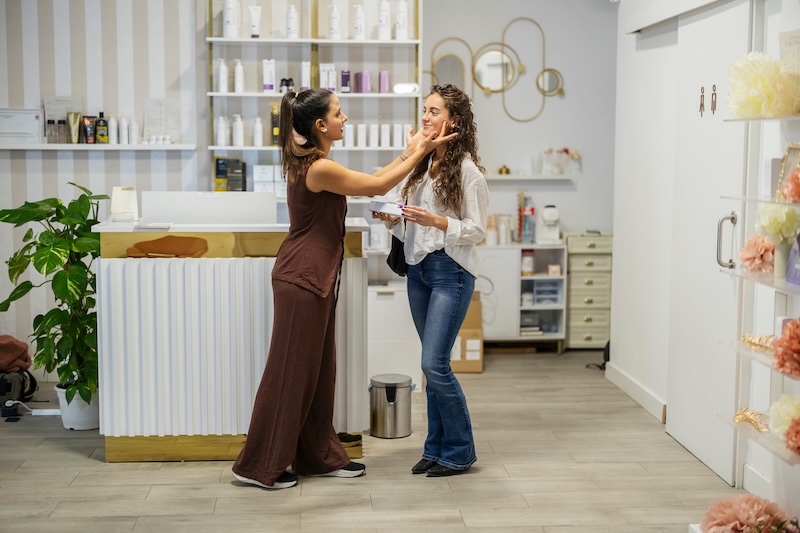
For salons and beauty therapists, the findings reinforce the growing importance of skin consultations, personalised treatment plans and expert retail advice, as consumers look for tailored solutions to multiple skin concerns.
Key beauty consumer trends from the report
Key findings from the Beauty & Wellness Index 2025 include:
- Guided diagnostics are becoming the main entry point for beauty discovery
- Consumers are increasingly presenting multiple skin concerns rather than single issues
- Virtual makeup try-ons drive experimentation and product discovery
- Nearly one in four consumers do not know their skin type
- Guided journeys can lead to higher engagement and stronger purchase intent
Beauty consumers increasingly expect personalised skincare routines
Consumers are no longer shopping for single “hero” products, the data shows. Instead, they are presenting multiple skin concerns simultaneously, reinforcing demand for personalised routines and expert guidance.
The most common skin concerns identified were:
- Visible pores
- Dull or tired skin
- Acne
- Redness
- Dark circles
- Wrinkles and fine lines
- Sagging skin
- Hyperpigmentation
This shift towards multi-concern profiles highlights the importance of education-led consultations, something professional therapists are uniquely positioned to deliver.
For salons and spas, this could translate into:
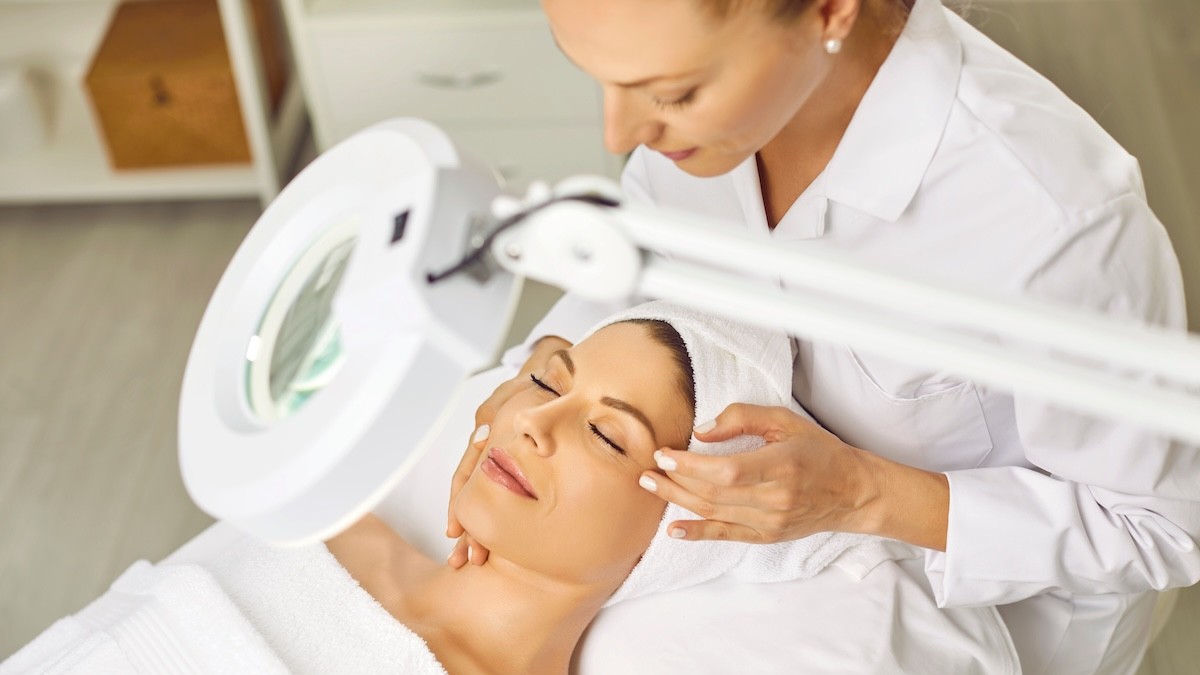
- Structured skin consultations before treatments
- Personalised treatment plans
- Retailing full skincare routines rather than single products
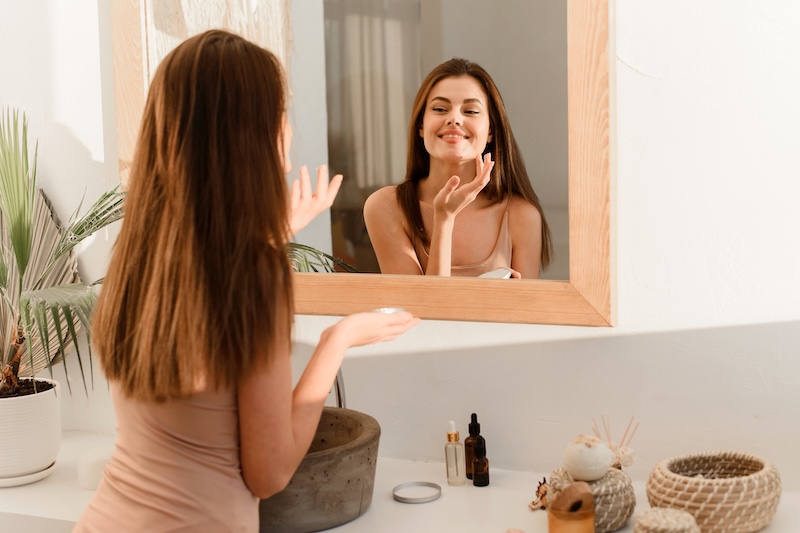
Nearly 1 in 4 consumers still don’t know their skin type
Despite growing skincare awareness, a large proportion of consumers remain unsure about their skin.
The report found the following skin type distribution:
- Combination: ~39%
- Dry: ~17%
- Oily: ~17%
- Sensitive: ~14%
- Normal: ~12%
- Unknown or unsure: ~24%
The fact that almost one quarter of users do not know their skin type suggests diagnostics are becoming a key educational tool rather than simply a sales tactic.
For beauty professionals, this represents a clear opportunity to reinforce the value of expert skin analysis services, both as a treatment gateway and as a driver of retail sales.
Virtual makeup try-ons drive experimentation and product discovery
In colour cosmetics, the report found that makeup journeys are largely exploration-first, with consumers experimenting with multiple looks before committing to a purchase.
The most popular categories for virtual try-on were:
- Lipstick
- Foundation
- Lip gloss
- Concealer
- Blush
After trying products virtually, the items most frequently added to basket were:
- Foundation
- Lipstick
- Concealer
- Blush
- Eyeshadow
Photo-based virtual try-on proved particularly popular because it enables low-friction experimentation, allowing consumers to test products quickly without commitment.
For salons and makeup artists, this behaviour mirrors the trial-led approach already used in professional consultations and bridal makeup trials, reinforcing the value of in-person expertise.
Younger consumers dominate engagement but all ages participate
The report shows beauty engagement in 2025 remained heavily female and digitally driven.
The demographic breakdown was:
- Female: 91%
- Male: 8%
- Other: 1%
Age distribution showed younger audiences driving initial engagement:
- 18-24: ~32%
- 25-34: ~27%
- 35-44: ~19%
- 45-54: ~12%
- 55+: ~10%
However, the report notes that meaningful participation occurs across all adult age groups, particularly in skincare diagnostics.
For professional beauty businesses, this suggests strong potential for consultation-driven services across a wide client base, not just younger consumers.
Guided journeys deliver stronger conversion rates
The data also highlights the commercial impact of guided discovery.
Across beauty ecommerce, the average conversion rate is around 5.1% in 2025, according to aggregated industry data.
The report recorded performance benchmarks including:
- ~72% completion rate
- ~14% add-to-cart rate
- 2-5% average conversion rate
Guided journeys are particularly effective during high-traffic periods. During the 2025 festive season, users who followed guided experiences converted 1.6 to 1.9 times more frequently and generated higher average order values.
Completion rates also remained stable at around 74% during peak traffic periods, while selfie-based interactions grew around 9% year on year.
Guided experiences are becoming the foundation of modern beauty retail
The report concludes that beauty conversion is no longer a simple linear journey.
Instead, guided experiences – including diagnostics, quizzes and virtual try-ons – are becoming the foundation of modern beauty commerce.
For professional beauty businesses, the findings reinforce the industry’s core strength: expert-led guidance and personalised skincare advice.
As consumers increasingly seek tailored solutions for complex skin concerns, salons and therapists are well positioned to deliver the consultation-driven experiences that today’s beauty shoppers expect.
What the report means for salons and beauty professionals
The report provides new insight into beauty consumer behaviour in 2025, particularly around personalised skincare and guided beauty discovery, and the findings highlight several opportunities for salons, spas and beauty therapists:
1. Consultation services are becoming more valuable
As consumers increasingly seek personalised recommendations, professional skin consultations can play a key role in guiding treatment and retail choices.
2. Routine-based retail is gaining importance
With consumers presenting multiple skin concerns, recommending full skincare routines rather than individual products could help increase retail sales.
3. Skin analysis technology may become more mainstream
Digital skin diagnostics and consultation tools are becoming more widely used across the industry to support personalised recommendations.
4. Trial experiences remain important in makeup
Virtual try-on behaviour reflects the same experimentation clients seek through makeup trials and professional consultations.
FAQ: Beauty consumer trends and personalised skincare
Why are personalised skincare consultations becoming more popular?
Consumers are increasingly looking for personalised guidance when choosing skincare products. According to the Beauty & Wellness Index 2025, guided diagnostics such as AI skin analysis, quizzes and selfie-based tools are becoming a primary entry point for beauty discovery. These tools help shoppers identify their skin concerns and receive tailored product recommendations.
What are the most common skin concerns among beauty consumers?
The report found that the most common skin concerns include visible pores, dull or tired skin, acne, redness, dark circles, wrinkles and fine lines, sagging skin and hyperpigmentation. Many consumers report multiple skin concerns at once, which is driving demand for personalised skincare routines rather than single-product solutions.
Do consumers know their skin type?
Not always. The report found that nearly one in four consumers are unsure of their skin type. While combination skin was the most commonly reported type, many users still rely on diagnostics and expert advice to understand their skin and choose appropriate products.
How are virtual makeup try-ons influencing beauty shopping?
Virtual makeup try-ons allow consumers to experiment with products digitally before purchasing. Popular categories for try-on include lipstick, foundation, lip gloss, concealer and blush. These tools encourage exploration and can help increase confidence in product choices.
What does this trend mean for salons and beauty professionals?
The growing demand for personalised beauty experiences highlights the value of professional consultations in salons and spas. Beauty therapists can help clients identify skin concerns, recommend tailored treatment plans and suggest complete skincare routines, aligning with the personalised approach many consumers are now seeking.