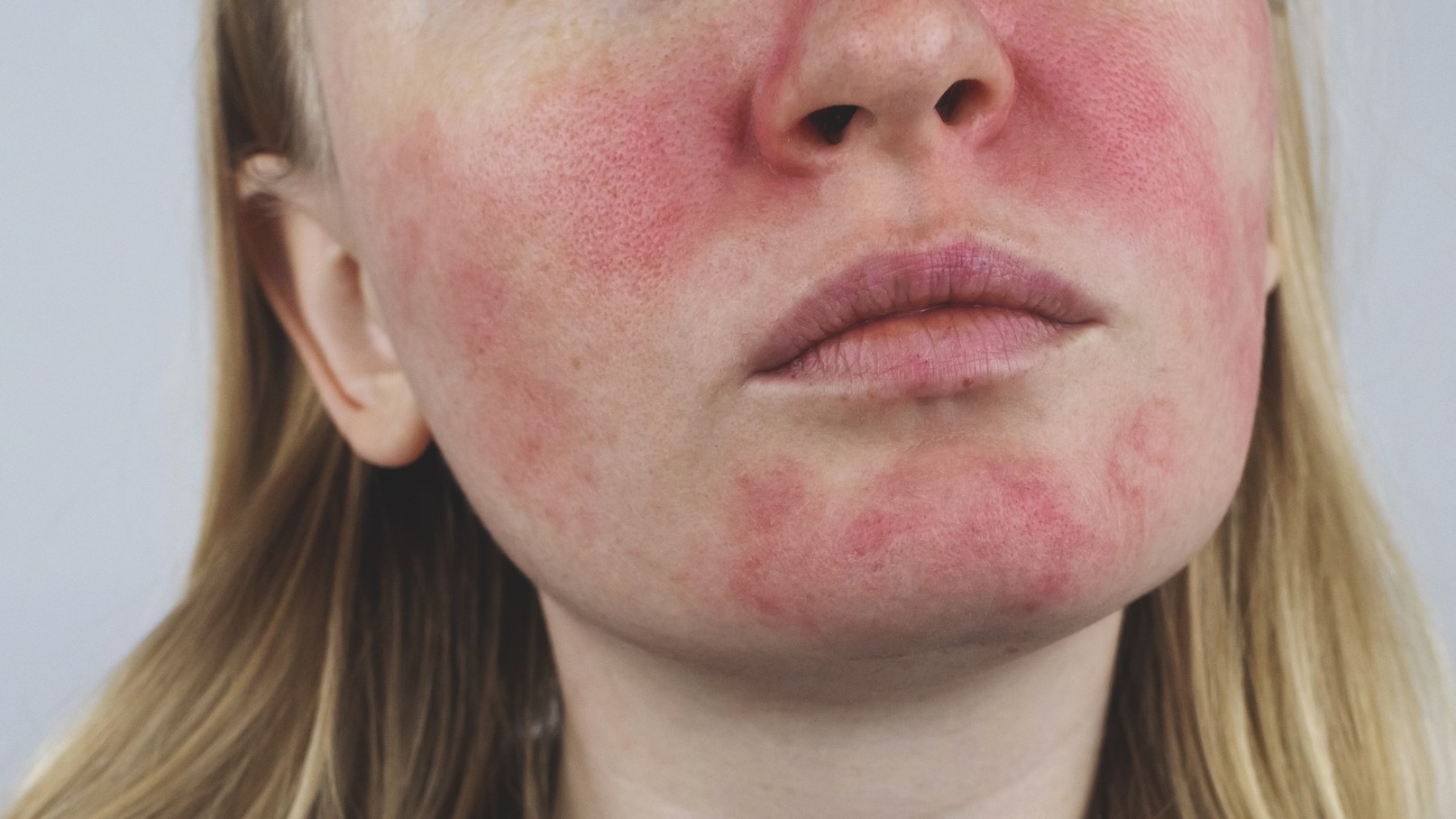
From rosacea and flushing to broken capillaries and diffuse redness, experts explain how to assess facial redness and choose between IPL, laser and supportive skincare for safe, effective results
Facial redness is a concern that affects clients of all ages and skin types, whether it presents as persistent flushing, visible capillaries or an underlying inflammatory condition such as rosacea. As awareness of available treatment options grows, more clients are turning to salons and skin clinics for solutions.
But despite the increasing popularity of laser and light-based treatments, practitioners should resist the temptation to view redness as a single condition with a single solution.
“Not all redness is the same, and not all redness should be treated in the same way,” says Chelsea Dugdale, laser specialist and founder of Dermalase Skin Clinic and Skin13 Training Academy in Norfolk.
Instead, successful outcomes rely on thorough consultation, accurate assessment and selecting the most appropriate technology for the individual presentation.
What causes facial redness?
Before reaching for a device, practitioners must first determine what is driving the redness. According to Anastasia Koles, aesthetic nurse practitioner and founder of Alta Medi Clinic in London and Los Angeles, the most common causes of facial redness include rosacea, sun damage, broken capillaries, chronic inflammation and skin barrier dysfunction.
“We also see redness associated with sensitive skin, hormonal fluctuations, aggressive skincare routines and environmental factors such as heat and UV exposure,” she explains.
For Dugdale, differentiating between rosacea, broken capillaries and general reactive redness begins long before treatment planning.
“I never rely solely on what I can see at the consultation,” she says. “I start by looking at the client’s history. When did the redness first appear? Has it gradually developed over time or has it suddenly become worse? Are there any known triggers such as heat, alcohol, spicy foods, exercise, stress or temperature changes?”
While broken capillaries, or telangiectasia, are often easier to identify visually, rosacea can present in a variety of ways, ranging from mild flushing to persistent redness, visible blood vessels and ongoing inflammation.
Generalised redness can be even more complex, sometimes stemming from a compromised skin barrier, inappropriate skincare products or environmental influences rather than an underlying vascular condition.
“It's absolutely essential to differentiate between these presentations,” says Koles. “While these conditions may appear similar to the client, they behave very differently and require different treatment approaches.”
Why consultation is essential before treating facial redness
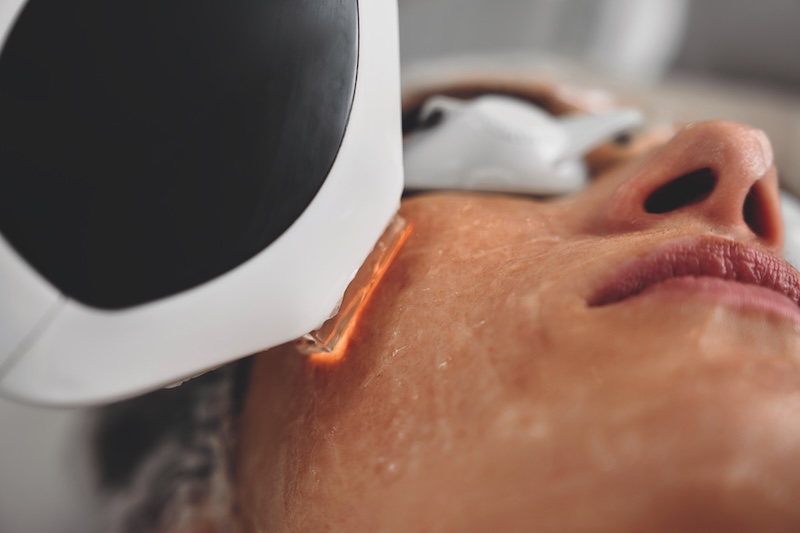
Both experts agree that consultation remains one of the most important stages of the treatment journey. Dugdale assesses not only the visible symptoms, but also medical history, medication use, lifestyle factors, tanning history and overall skin health. Advanced skin imaging technology can also help identify underlying vascular patterns and support clinical findings.
Similarly, Koles reviews medical history, skincare routines, lifestyle triggers and skin sensitivity before developing a personalised treatment plan. “Successful treatment begins with accurate assessment and diagnosis,” she says. “When practitioners focus on treating the underlying condition rather than simply the visible symptom, they achieve safer, more predictable and more satisfying results for their clients.”
The consultation also provides an opportunity to uncover contributing factors that may need addressing alongside device-based treatment.
Clients who work in hot environments, experience significant stress, overuse active skincare ingredients or regularly expose their skin to heat and UV radiation may require lifestyle modifications as part of their treatment plan.
How does IPL treat facial redness and rosacea?
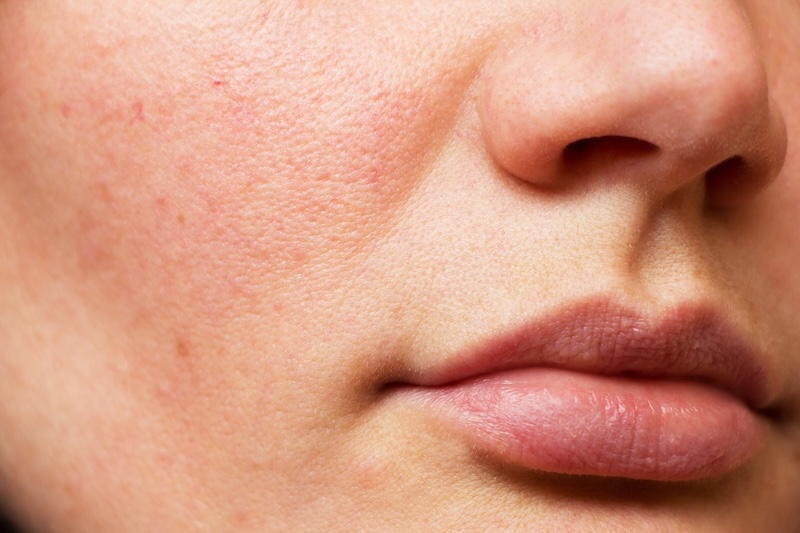
For many facial redness concerns, IPL remains a highly effective first-line option. According to Dugdale, IPL and OPT (optimal pulse technology) often produce excellent results for diffuse erythema, flushing, superficial vascular lesions and facial redness because many of the blood vessels responsible sit relatively close to the skin’s surface.
The light energy is absorbed by haemoglobin within the vessel, generating heat that causes the vessel to break down and be naturally cleared by the body over time.
Koles agrees that IPL is particularly effective when treating background redness. “It can be highly effective for diffuse redness, background flushing and redness associated with sun damage, particularly when there is also pigmentation present,” she says.
However, more targeted vascular technologies may be required in certain cases. For defined vascular lesions, broken capillaries and visible blood vessels, vascular lasers may offer a more suitable approach. Dugdale highlights KTP lasers as an option for superficial red vessels, while Nd:YAG lasers can be particularly useful for deeper vascular structures that sit beyond the depth IPL can effectively reach.
Ultimately, experts say technology selection should be based on the vascular presentation rather than assumptions about which device is more advanced.
IPL vs laser for facial redness: which is better?
One of the biggest misconceptions surrounding redness treatments is the belief that laser is automatically superior to IPL. In reality, both technologies have an important role to play.
“One of the biggest mistakes I see is practitioners asking whether IPL or laser is better,” says Dugdale. “In reality, neither is universally better. The most appropriate technology depends on the depth, diameter and colour of the vessel and the anatomical area being treated.”
Can IPL or laser cure rosacea?
While energy-based devices can significantly improve visible redness, practitioners must be careful not to overpromise results. Rosacea, in particular, requires ongoing management rather than a permanent cure.
“One of the biggest misconceptions I come across is the belief that laser or light-based treatments can cure rosacea,” says Dugdale. “While treatments such as IPL and OPT can be incredibly effective at reducing visible redness, flushing and vascular activity, rosacea is a chronic skin condition that can be managed but not cured.”
Koles takes a similar approach during consultations. “I always explain that treatment is often about long-term management rather than complete elimination,” she says. “Maintenance treatments and ongoing skincare are frequently required to sustain results.”
This conversation is particularly important in an era of social media filters and growing consumer expectations. “I think social media has influenced expectations,” says Dugdale. “We are constantly exposed to filtered images, edited content and dramatic before-and-after photographs. While treatments such as IPL and OPT can achieve fantastic results, they should be viewed as tools to improve the skin, not completely change it.”
How to minimise flare-ups and complications when treating redness
Redness-prone skin requires careful management both before and after treatment. According to Koles, the most common causes of complications include treating skin that is already inflamed, inappropriate treatment settings, excessive sun exposure and poor compliance with aftercare instructions.
Dugdale believes many flare-ups can be avoided through education. “Managing the risk of flare ups starts with appropriate client selection and setting realistic expectations before treatment begins,” she says.
Contraindications such as active inflammation, infection, compromised skin barriers, recent tanning and photosensitising medications should all be carefully assessed before proceeding. If there is any uncertainty around diagnosis or suitability, both experts advocate delaying treatment until further information is obtained.
After treatment, clients should be advised to minimise heat exposure, avoid activities that trigger flushing and follow a gentle skincare routine while the skin recovers. For rosacea sufferers in particular, understanding personal triggers remains a key component of long-term success.
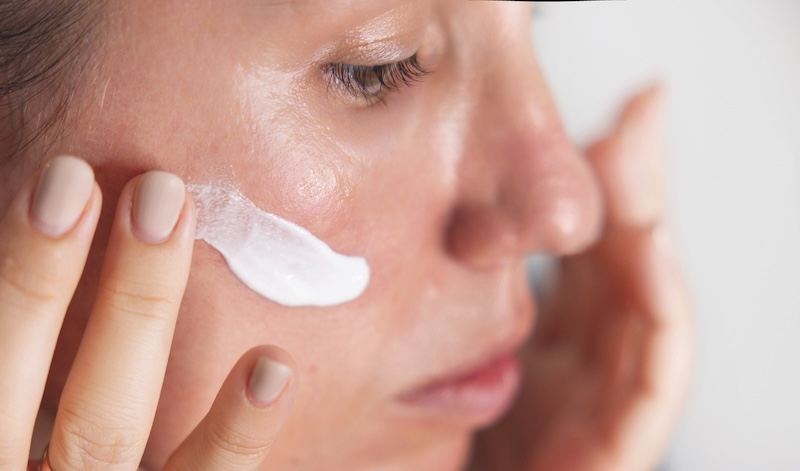
What skincare should clients use for facial redness?
While devices can target visible vascular concerns, skincare remains a crucial part of the treatment journey. For both experts, strengthening the skin barrier and reducing irritation are key priorities.
Dugdale frequently sees clients using too many active ingredients or chasing skincare trends that ultimately worsen sensitivity. “One of the most common issues I see is clients overcomplicating their skincare,” she says. Instead, she advocates a simpler approach built around a gentle cleanser, appropriate moisturiser and daily SPF.
Koles similarly recommends barrier support, hydration and diligent sun protection before, during and after treatment. “Good skincare enhances results and helps maintain improvements over time,” she says.
Importantly, however, practitioners should educate clients about the limitations of topical products. While skincare can support skin health and reduce irritation, it cannot remove established telangiectasia or visible thread veins. In these cases, device-based treatment may still be required.
Why demand for facial redness treatments is growing
Both experts report a significant increase in demand for redness treatments in recent years. Part of this growth stems from greater public awareness of conditions such as rosacea, as well as increased access to information through social media, video calls and high-definition photography.
Clients are also becoming more focused on overall skin quality rather than simply targeting signs of ageing. However, with increased awareness comes increased misinformation.
“The challenge now is helping clients understand what is evidence-based, what is marketing and what is actually appropriate for their individual skin concerns,” says Dugdale.
For practitioners, this presents an opportunity to position themselves as trusted educators, guiding clients through the complexities of redness management and helping them make informed treatment decisions.
As demand continues to grow, it’s becoming clear that successful treatment relies on understanding the underlying cause of redness, selecting the right technology for the right indication and creating realistic, long-term treatment plans that put client safety first.
Facial redness treatment FAQs
What is the best treatment for facial redness?
The best treatment depends on what is causing the redness. IPL can be effective for diffuse redness, flushing and superficial vascular concerns, while vascular lasers may be more appropriate for defined broken capillaries or deeper blood vessels. A thorough consultation and assessment should always determine the treatment approach.
Is IPL or laser better for rosacea?
Neither IPL nor laser is universally better for rosacea. The most appropriate technology depends on factors including the type of redness and the depth, diameter and colour of the vessels being treated. IPL is often used for diffuse redness and flushing, while vascular lasers can target specific visible blood vessels.
Can IPL get rid of broken capillaries on the face?
IPL can help treat some superficial vascular lesions and facial redness by targeting haemoglobin in the blood vessels. However, defined broken capillaries or vessels at different depths may respond better to a vascular laser, depending on their size, colour and location.
Can IPL or laser cure rosacea?
No. Rosacea is a chronic condition that can be managed but not cured. IPL and laser treatments can reduce visible redness, flushing and vascular activity, but clients may require maintenance treatments, appropriate skincare and management of individual triggers to sustain results.
Can skincare get rid of broken capillaries?
Skincare can support the skin barrier, improve hydration and help reduce irritation, but topical products cannot remove established broken capillaries or thread veins. Device-based treatments such as IPL or vascular laser may be required to target visible vessels.