
How skin therapists should adapt treatment strategies in response to the UV index and seasonal barrier stress
Why the UV index matters more than most therapists realise
The UV index is one of the most influential yet underutilised factors in treatment planning, directly impacting skin behaviour, risk and outcomes.
As skin professionals, we cannot treat in isolation. The skin we see in clinic is constantly responding to external stressors, and one of the most impactful is UV exposure.
This isn’t just about whether it’s sunny, it’s about the intensity of UV radiation, which fluctuates daily and significantly influences barrier function, inflammation levels and melanocyte activity.
What higher UV periods do to the skin barrier
During periods of higher UV index, typically in late spring and summer, we often see increased sensitivity, dehydration, heightened pigmentation risk and a compromised barrier.
Even clients who usually present with resilient skin can become reactive if we are not adapting accordingly.
Moving from fixed protocols to responsive, skin-led treatment planning
This is where treatment strategy must evolve from a fixed protocol to a responsive, skin-led approach.
Client education is key. Building awareness around UV index – not just SPF – helps them understand why their skin behaves differently throughout the year. It also improves compliance with pre- and aftercare, which becomes even more critical in warmer months.
Avoiding excess sun exposure, managing active ingredients such as retinols, and maintaining hydration are essential in protecting outcomes and preventing complications.
How to adapt treatment modalities without compromising results
From a treatment perspective, the focus should shift towards supporting the skin rather than aggressively challenging it. This doesn’t mean stopping results-driven treatments, but it does mean selecting modalities that work with the skin, not against it.
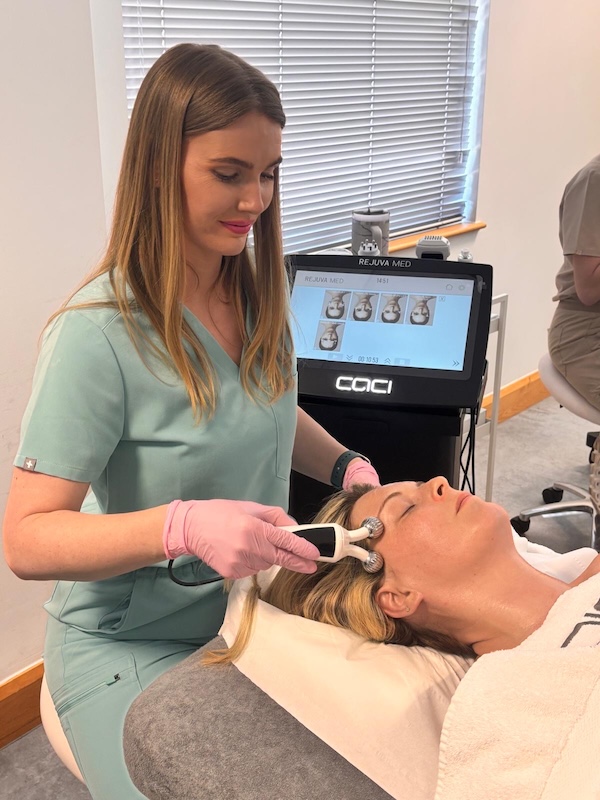
Multi-technology systems allow us to do exactly that. By combining oxygenation, radiofrequency, microcurrent, focused pulsed light and needle-free infusion, we can adapt treatments based on both the client’s skin condition and the environmental context.
During higher UV periods, we can prioritise hydration, barrier repair and circulation, while still achieving lifting, firming and visible rejuvenation without unnecessary downtime.
Using technology and diagnostics to refine Fitzpatrick assessment
Equally important is accurate skin assessment. Determining Fitzpatrick type is essential when considering UV exposure and pigmentation risk, but in practice, it can sometimes be borderline between categories.
The addition of advanced diagnostic technology within platforms like CACI’s Rejuva Med system allows for a quick skin scan that supports and strengthens this assessment, giving a clearer indication of where the skin sits on the Fitzpatrick scale.
This enhances clinical judgement, reduces risk and ensures that treatment intensity and modality choice are appropriate, particularly in higher-risk cases.
Pre-and aftercare also play a vital role in adapting to seasonal stress. Adjusting guidance around sun exposure, avoiding heat-based activities post-treatment, and temporarily removing active skincare helps prevent overloading the skin.
Clinical responsibility and the PATCH framework
Ultimately, adapting treatment strategies in response to UV index and seasonal barrier stress is about clinical responsibility.
This reflects the foundation of my PATCH framework encouraging practitioners and patients to Pay Attention, take Action, Treat with intent, create Clarity and support Healing in long term skin health decisions.
When we take this approach, we not only protect the skin we elevate the standard of care.

About the author
Larissa Warren is an advanced skin specialist and founder of The Expert Skin Clinic in Northampton. She is also a regional key opinion leader (KOL) for CACI’s Rejuva Med system and an educator in evidence-led facial aesthetics.
Through her PATCH framework, Larissa delivers keynote education focused on early detection, seasonal skin health management and empowering both practitioners and clients to make proactive, clinically informed treatment decisions.
(1)square.webp)