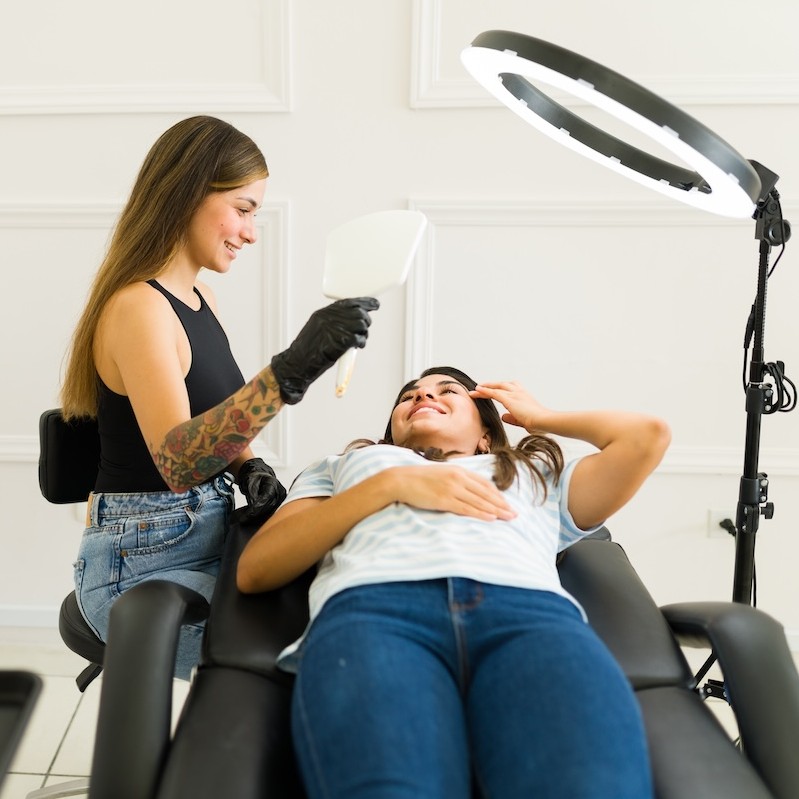
What does the future consumer want from their beauty experience? According to WGSN it could be less about transformation and more about restoration
A new white paper from WGSN – a platform which provides trend forecasting, predictive analytics and consumer insights across fashion, beauty, interiors, and more – explores how consumer identities are becoming increasingly fluid, with people defined less by traditional demographics such as age, income and geography, and more by their beliefs, emotions and values.
It suggests that, by 2028, brands will no longer be able to rely on static consumer profiles or short-term trend cycles to understand their audiences. Instead, businesses will need to consider the emotional needs and motivations driving purchasing decisions.
For beauty professionals, this shift could have significant implications. As clients increasingly look for ways to switch off, reconnect and feel good, the salon, spa, clinic or treatment room can become more than a place to deliver a service – it can become part of their wellbeing ritual.
How consumers’ emotions are changing
The WGSN Emotional Trajectory Index tracks how global emotions are shifting and what this means for brands through to 2028.
Spanning 150+ countries, it combines quantitative data from the World Happiness Report, Edelman Trust Barometer and Gallup Global Emotions with WGSN’s proprietary Macro Forecast intelligence to map emotional change over time.
Since 2015, stress, fear and anger have surged, while happiness and trust have plateaued. Meanwhile, hope is the only emotion showing consistent growth.
For beauty businesses, this presents an interesting opportunity. If consumers are looking for balance, meaning and connection in an increasingly volatile world, the value of a beauty appointment may extend beyond the immediate result.
The ritual of taking time out, being cared for and connecting with another person can become part of the overall experience.

WGSN identifies key consumer persona: The Restorer
Built on its proprietary STEPIC methodology (analysing shifts across Society, Technology, Environment, Politics, Industry and Creativity) WGSN identifies four enduring, IP-owned personas: The Restorers, The Ascendants, The Keepers and The Challengers.
The white paper delves deeper into The Restorer: a “calm and sensory-aware” consumer looking to escape the pressures of an always-on world.
Key characteristics of The Restorers
- Slow down: Seeking balance and escape from an always-on world
- Value craft: Drawn to brands that celebrate time, skill and human touch
- Live simply: Prioritise mindful rituals, pleasure and meaningful connections
- Consume consciously: Buy less but better, favouring local and ethical brands
- Choose the tangible: Prefer tactile products and experiences with a sense of craftsmanship
For beauty professionals, that could mean looking beyond the treatment itself and considering every touchpoint of the client journey – from the way an appointment is booked and the salon environment feels, to the products used, the consultation and the relationship built with the client.
How can beauty businesses appeal to The Restorer?
WGSN highlights key strategies for reaching this consumer, including creating stillness and building a community.
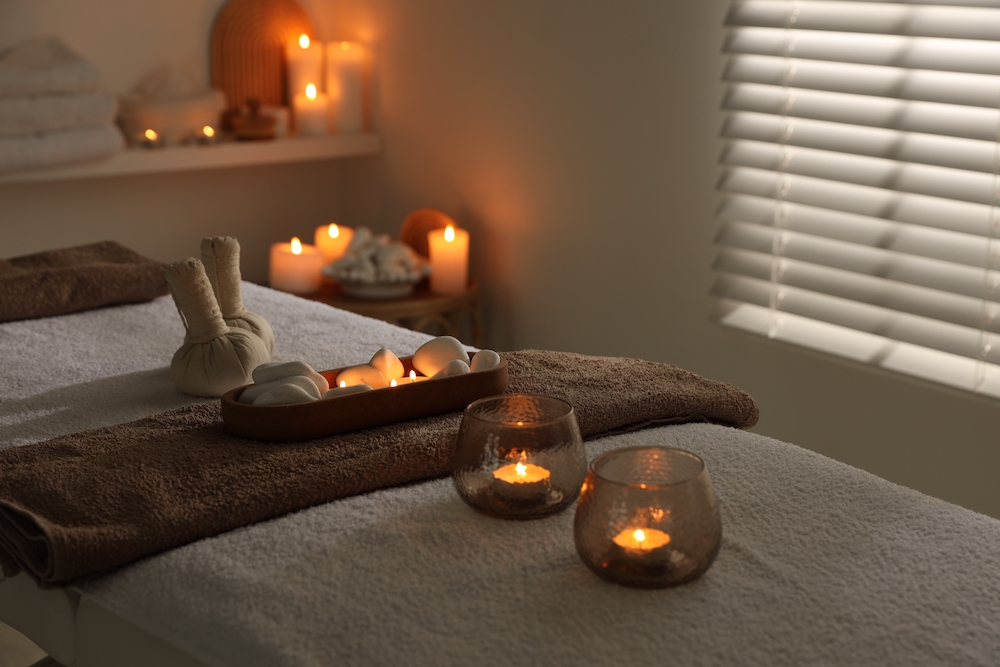
Create stillness
Simplicity, sensory reduction, mindfulness and “visual silence” are all identified as ways to appeal to The Restorer.
In a beauty environment, this could translate into quieter treatment spaces, calming music, softer lighting, considered scent or simply creating an experience where the client isn't bombarded with information and stimulation.
It could also influence how businesses communicate online. If clients are already overwhelmed by constant content and notifications, does every social post need to shout for their attention?
A more considered approach could help a beauty business stand out by offering the opposite of the always-on digital world.
Build a community
WGSN identifies proximity, connection and ritual as important to The Restorer, suggesting opportunities for beauty businesses to create spaces where clients feel part of a community, rather than simply customers.
Consider how your business fits into its local community. Could you host an education evening, collaborate with another independent business, invite clients to a local event or run workshops around shared interests? The aim isn't necessarily to sell more, but to give clients another reason to connect with your business – and each other.
This raises an important question: do you see your clients as customers, followers or members of a community?
Offer continuity, not one-off experiences
WGSN also highlights the importance of long-term support, with products and experiences that evolve alongside customers.
This is particularly relevant to beauty professionals, where the client relationship can naturally span years. Rather than viewing each appointment in isolation, businesses can consider how their services, consultations, education and recommendations support the client throughout their journey.
That could mean reviewing treatment plans regularly, offering education at different levels or ensuring services are accessible and relevant to clients at different life stages.
What will The Restorers expect from beauty brands?
Sienna Piccioni, director, WGSN Beauty, says beauty and wellness will play an important role in helping The Restorer regulate their nervous systems and create moments of quiet.
“They turn to neuro-cosmetics, sensorial formulations and tactile habits that ground the mind and body,” she explains. “Haptic-led packaging and more deliberate routines help them re-centre.”
For beauty professionals, this reinforces the importance of the experience surrounding a product or treatment. A facial isn't simply a series of steps; the textures, scents, sounds, touch and pace can all contribute to how the client experiences it.
Piccioni adds that The Restorer's routines prioritise “simple pleasures over outcomes”, with products applied with intention and layered scent rituals becoming mindful practices.
That could have implications for everything from treatment menus and retail recommendations to the way products are introduced and used during an appointment.
The salon as a sanctuary
The restorative experience doesn't stop with the treatment itself. According to WGSN, the physical environment will also become increasingly important.
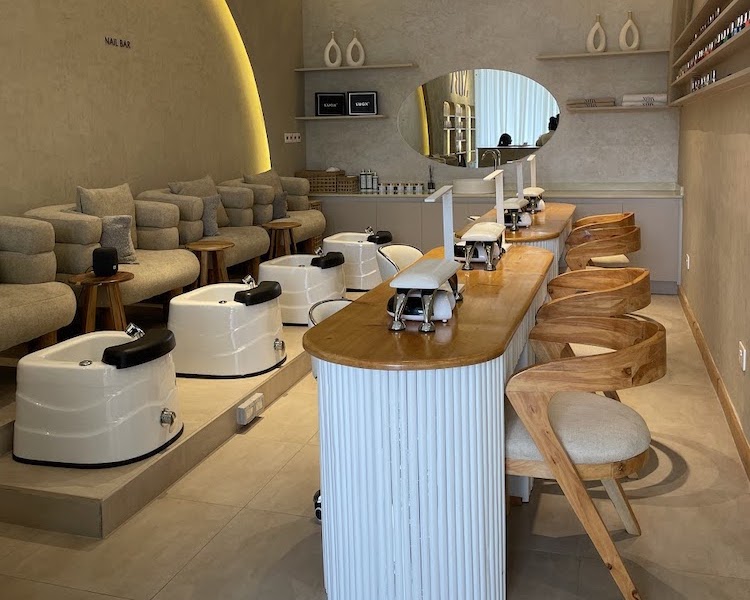
Gemma Riberti, director, WGSN Interiors, says The Restorer is “redefining living well through intention”, with interiors designed for pause through lounge-led layouts, ritual-focused spaces, softened lighting, blurred finishes and tactile materials.
This is a useful consideration for beauty businesses, particularly as clients become more conscious of how an environment makes them feel, rather than simply how it looks.
For salons and spas, this could mean thinking beyond aesthetics when reviewing an interior. How does the space sound? What does it smell like? Is there somewhere for a client to pause before or after their treatment? Does the lighting create the right atmosphere? Are materials and textures contributing to the overall experience?
WGSN's research also points towards a wider desire for meaningful spaces outside the home. Its data shows that 74% of consumers say their “third spaces” are lacking something, while 65% can't find one that feels right.
This suggests an opportunity for beauty businesses to become part of that wider network of spaces where people can reconnect and recharge.
What does this mean for beauty professionals?
The rise of The Restorer doesn't necessarily mean beauty businesses need to add more treatments, products or technology to their offering. Instead, it could be about doing what they already do – but with greater intention.
Consider the experience rather than just the service. Build genuine relationships rather than simply growing a database. Create a space that gives clients permission to pause. Use social media to build community rather than adding to the noise.
Most importantly, understand what your clients are really looking for when they book an appointment.
If WGSN is right and consumers are increasingly driven by emotions, values and beliefs rather than traditional demographics, knowing your client will mean understanding more than their age or spending power. It will mean understanding how they want to feel.