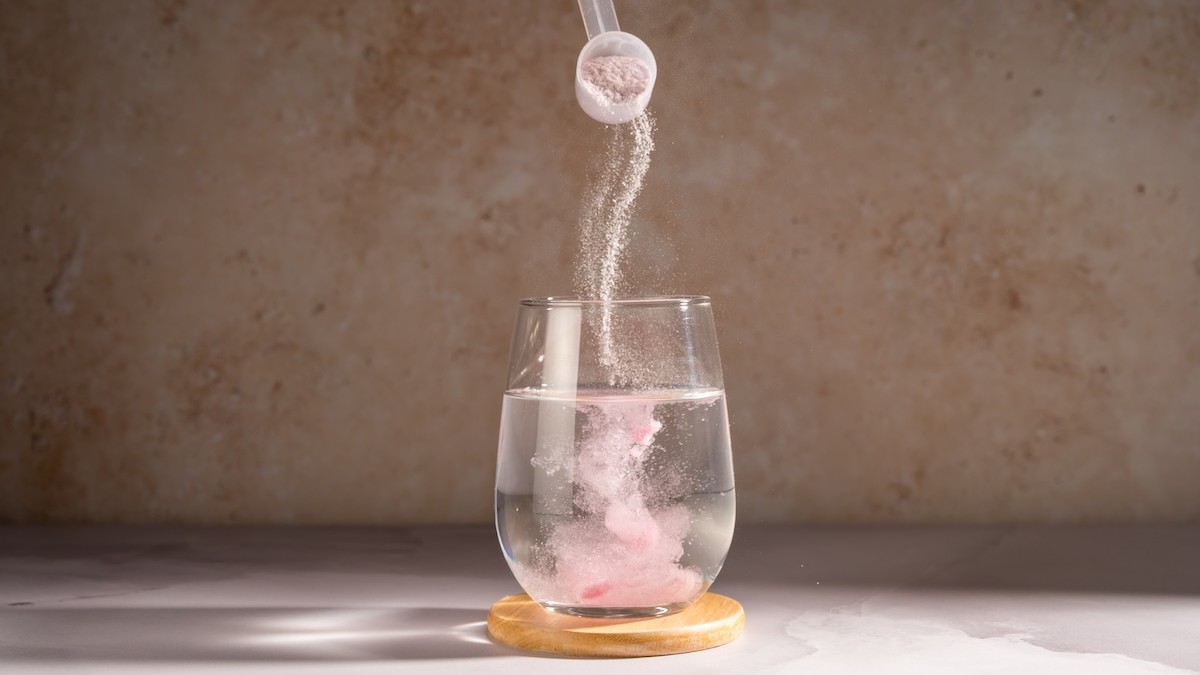
Why creatine is moving beyond the gym to become the must-have supplement for holistic beauty and women’s health
Creatine is no longer confined to the world of gym bros and protein shakers. Once synonymous with bodybuilding, it’s now carving out a credible space in women’s health, wellness and holistic beauty – and for good reason.
According to nutritional therapist Ros Simmons, co-founder of Curated Beauty London, creatine’s benefits go far beyond performance.
She explains, “Creatine is often pigeonholed as a sports supplement or for body builders, but its role is far broader. At a cellular level, it supports energy production, specifically ATP, which fuels everything from muscle contraction to brain function.”
This shift in perception is also reflected in research. A 2021 review published in peer-reviewed scientific journal Nutrients – Creatine Supplementation in Women’s Health: A Lifespan Perspective – highlights how creatine may support performance, cognition, mood and overall health in women across different life stages.
Creatine benefits for energy, brain function and fatigue
One of the most compelling reasons for creatine’s rise in popularity is its impact on energy and cognitive performance.
Simmons explains, “For women, this can translate into improved day-to-day energy, better resilience to fatigue and support for cognitive performance.”
This aligns with findings from the Nutrients review, which suggests creatine plays a role in supporting brain energy levels and neurological function, with potential benefits for mood and cognition.
For beauty and wellness professionals, this is particularly relevant. Clients experiencing burnout, stress, poor sleep or brain fog may benefit from support at a cellular energy level.

Why creatine may be especially beneficial for women
Creatine is not a one-size-fits-all supplement, and women may actually have more to gain.
“Women typically have lower baseline creatine levels than men, partly due to lower dietary intake and differences in muscle mass,” says Simmons.
Research supports this, showing that females can have significantly lower endogenous creatine stores, which may increase the potential benefits of supplementation.
Hormones also play a role. “Hormonal fluctuations, particularly oestrogen, also influence how creatine is metabolised,” Simmons says.
This makes creatine particularly relevant during key life stages, including perimenopause and menopause, when energy, mood and body composition often shift.
Creatine for menopause, muscle loss and healthy ageing
As women age, maintaining muscle mass, bone health and metabolic function becomes increasingly important – not just for fitness, but also for longevity and appearance.
Simmons highlights: “During midlife, women experience a natural decline in muscle mass and bone density. Creatine, alongside resistance training, has been shown to support muscle preservation and may indirectly benefit bone health through improved muscle strength.”
The Nutrients review echoes this, noting that creatine supplementation may support skeletal muscle size, function and even bone health, particularly when combined with resistance training.
It also points to potential benefits for mood and cognition during hormonal transitions, making creatine a multi-functional support tool during menopause.
Creatine for muscle tone, metabolism and body composition
For many women, creatine’s appeal lies in body composition and toning, rather than muscle gain.
“Creatine helps muscles work more efficiently, even during moderate exercise like Pilates, strength classes, or brisk walking,” says Simmons.
“Over time, this can support improved muscle tone and strength without the need for intense training.”
Importantly, she addresses a long-standing myth: “There’s been a long-standing misconception that creatine causes bulk or water retention… in reality, at appropriate doses, creatine supports lean muscle and cellular hydration.”
Research supports this, showing improvements in strength and performance without significant changes in body weight in women.
For wellness professionals, this positions creatine as a tool for metabolic health, strength and ageing well, rather than aesthetics alone.

Creatine and skin health: are there beauty benefits?
While creatine isn’t traditionally viewed as a beauty ingredient, its indirect effects on skin and appearance are gaining attention.
Simmons explains, “Creatine’s role in cellular energy and hydration may have indirect benefits for skin. Some early research suggests it may support skin cell turnover and protect against oxidative stress.”
For beauty professionals, this links creatine to inside-out beauty, where improved hydration, vitality and muscle tone contribute to a healthier-looking complexion.
“Better muscle tone, improved energy and enhanced recovery all contribute to how a woman looks and feels,” she adds.
“There’s a subtle but powerful shift, from tired and depleted to energised and resilient, which is very much aligned with modern, holistic beauty.”
Is creatine safe? Side effects and contraindications
Creatine is one of the most researched supplements available, and is generally considered safe.
“Creatine is one of the most well-researched supplements and is generally very well tolerated,” says Simmons.
However, she notes some mild side effects: “Some people may experience mild bloating or digestive discomfort, particularly if taking high doses.”
The Nutrients review similarly reports a low risk-to-benefit ratio, with no consistent evidence of adverse effects on major health systems when used appropriately.
That said, caution is advised for certain individuals: “Caution is advised for individuals with pre-existing kidney conditions or those on certain medications.”
How to take creatine: dosage and best practice
For clients and professionals alike, simplicity is key.
“Around 5 grams per day is effective for most women, with no need for a pre-loading phase,” says Simmons. “The key is consistency rather than timing.”
She recommends pairing it with a daily habit: “We like to suggest adding it to your first drink in the morning.”
She also highlights common mistakes: “The biggest misconception is that creatine leads to unwanted weight gain… Another common mistake is overcomplicating it; high doses, cycling, or loading phases are rarely necessary.”
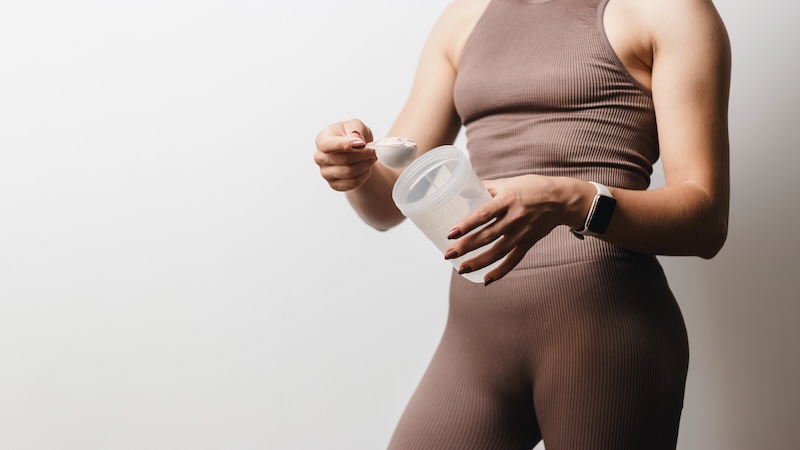
Why creatine is becoming a cornerstone of women’s wellness
Creatine is undergoing a major repositioning, from gym supplement to longevity, brain health and wellness essential.
“The most exciting shift is the move away from performance-only narratives toward cognitive health, mood support, and healthy ageing,” says Simmons.
She adds, “I believe that creatine is the new omega 3, collagen or vitamin D in terms of popularity… midlife women should take it as the benefits are so wide ranging.”
For beauty and wellness professionals, this presents an opportunity. Creatine sits at the intersection of nutrition, ageing, energy and aesthetic outcomes, making it highly relevant in client conversations around holistic wellbeing.
FAQ: Creatine for women
Q1: What are the benefits of creatine for women?
Creatine supports energy, cognitive function, muscle tone, healthy ageing, menopause wellness, and may even have indirect skin benefits. Creatine is increasingly being recognised as a holistic wellness tool for women.
Q2: Is creatine safe for women?
Yes. Creatine is one of the most researched supplements and is generally safe when taken in recommended doses (around 5g per day). Some may experience mild bloating or digestive discomfort, but serious side effects are rare. People with kidney issues or on certain medications should consult a healthcare professional first.
Q3: Can creatine help with menopause symptoms?
Research suggests creatine may support energy, mood, muscle strength, and body composition during hormonal transitions, making it a useful supplement for women going through perimenopause and menopause.
Q4: Will creatine make me bulky?
No. In women, creatine primarily supports lean muscle and cellular hydration. It helps muscles work efficiently during exercise, improving tone and strength without causing unwanted bulk.
Q5: How should women take creatine for wellness benefits?
A simple daily dose of around 5 grams, ideally taken with a morning drink or paired with regular activity, is effective. Consistency is more important than timing, and there’s no need for loading phases or high doses.