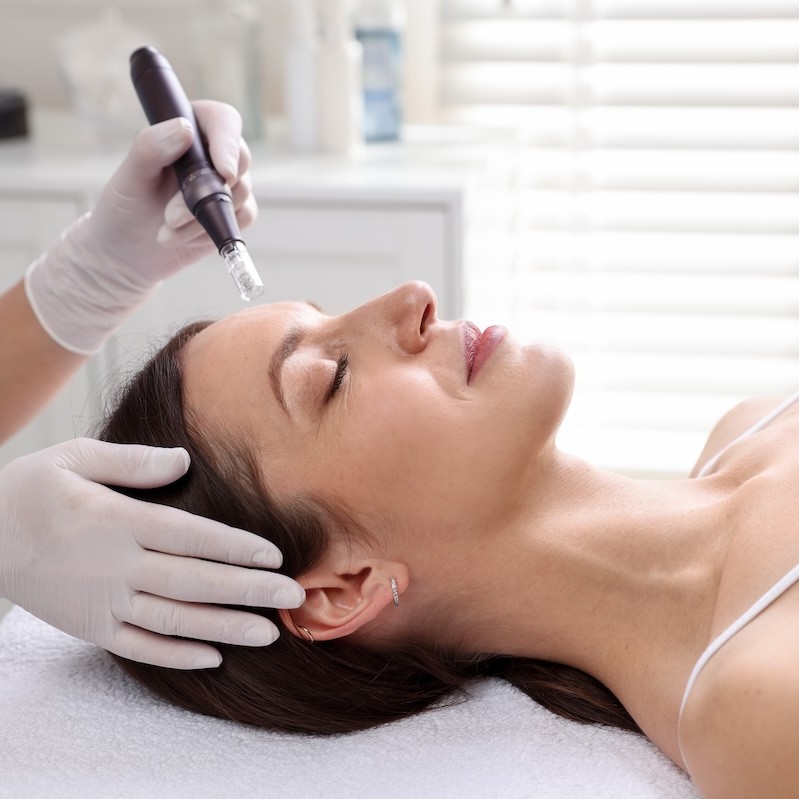
From pregnancy facials to postnatal massage, experts explain how beauty, spa and wellness professionals can adapt their treatments, consultations and language to support clients safely and sensitively through pregnancy and beyond
Pregnancy and the postnatal period can be some of the most physically and emotionally demanding stages in a client’s life. For salons, spas and wellness businesses, supporting clients during this time is not simply about adding a “mum-to-be” treatment to the menu. It requires specialist training, thoughtful consultation, sensitive language and a clear understanding of professional boundaries.
Many businesses already offer pregnancy massage, facials or spa packages, but experts say the opportunity now lies in taking a more complete approach to maternal wellbeing – one that recognises that clients’ needs can change throughout pregnancy and long after birth.
“Pregnancy and the postnatal period are times of significant physical, hormonal and emotional change,” says Hiba Siddiqui, founder and chief executive of The Tenth, a clinically-led maternal recovery ecosystem. “Every woman's experience is different, and wellness professionals have an opportunity to create environments where clients feel safe, heard and supported rather than treated as though they are receiving a standard treatment.”
Why pregnant and postnatal clients need tailored care
Pregnancy and postpartum can affect everything from skin and posture to sleep, mood, confidence, pain levels and how comfortable a client feels being touched.
Siddiqui says professionals should be aware of physical changes such as “fatigue, pelvic pain, back pain, swelling, altered posture, scar healing following birth, abdominal muscle separation, pelvic floor symptoms and ongoing hormonal changes that continue well beyond the first few weeks after delivery.”
Emotionally, clients may also be adjusting to a new identity, sleep deprivation, anxiety, reduced confidence or birth trauma. Practically, even finding time for a treatment can feel difficult when feeding schedules, childcare and recovery are competing priorities.
For Hayley Snishko, award-winning massage therapist, educator, mental health advocate and mother, this means therapists need to think beyond the treatment itself.
“This is one of the most vulnerable times in a woman’s life and more than anything, they need emotional and physical safety,” she says. “They need a space where they are confident the therapist understands their needs, nothing is expected of them, they don’t have to make decisions for anyone else, and where they can simply be cared for.”
That sense of safety should begin before the client even arrives. Businesses should make it clear which treatments are suitable during pregnancy or postpartum, what specialist training therapists have, how the treatment will be adapted and what the client can expect on the day.
How to consult with pregnant and postnatal clients
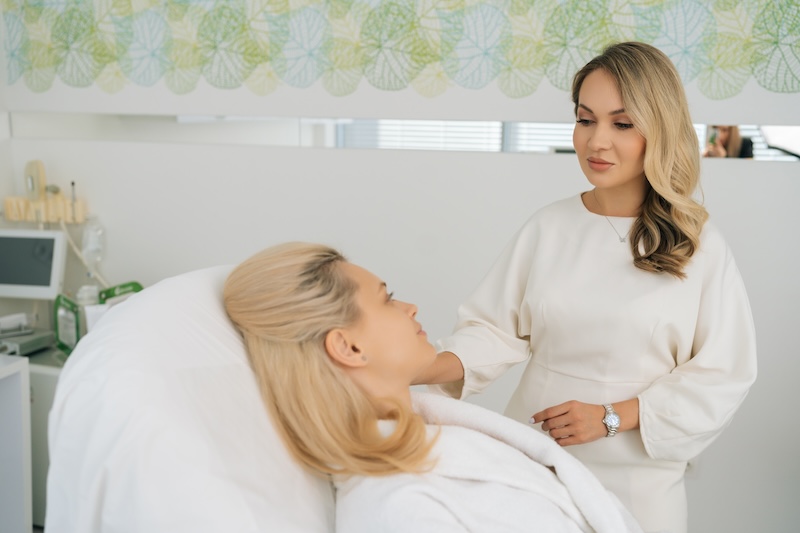
A thorough consultation is essential, but it needs to feel supportive rather than clinical or intrusive. Professionals should ask open questions about how the client is feeling, where they are in their pregnancy or recovery, whether there have been any complications and whether they have any medical guidance that could affect treatment.
For prenatal massage, Kelroy Sandy, expert therapist at Masaj, says “I always start by asking how you're feeling and where you're holding tension so we can focus on what you need today,” he says. “I'll quickly check for any red flag symptoms, high-risk factors or guidance from your midwife or GP.”
For postnatal clients, Sandy says the consultation should take into account what the client’s body has been through, including whether they are recovering from labour, a caesarean birth, pelvic discomfort, swelling, feeding-related posture or the physical demands of lifting and carrying a baby.
The key is not to assume. A client may want focused relief from back, neck or shoulder tension, or they may simply need a quiet space to pause and feel cared for.
Facialists also need to adapt consultations for pregnant clients. Lisa Franklin, skincare expert, product developer and founder, says therapists should ask which trimester the client is in, whether they have allergies, skin sensitivities, medical conditions or pregnancy-related concerns, and what they want to achieve from the treatment.
How pregnancy facials should be adapted
Pregnancy can bring hormonal breakouts, dryness, increased sensitivity, redness and hyperpigmentation, so facialists need to focus on gentle, pregnancy-safe treatments that support the skin barrier.
Franklin says therapists should be cautious around “strong chemical peels, retinoids, hydroquinone, high-strength salicylic acid, aggressive resurfacing treatments, electrical stimulation, and laser procedures.”
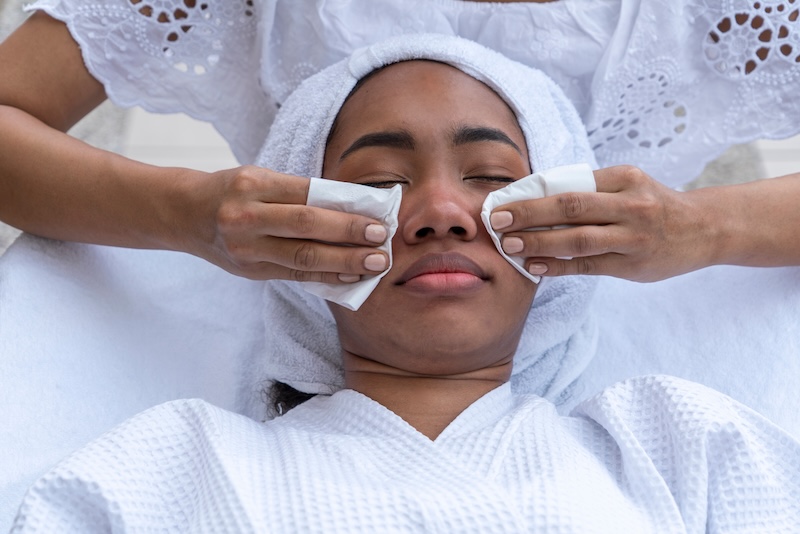
Instead, treatments should prioritise hydration, barrier support, calming techniques and non-invasive approaches. Skin concerns such as breakouts, redness, sensitivity, dullness and dehydration can often be supported with gentle cleansing, appropriate extractions, hydrating masks and soothing facial massage, depending on the client’s individual needs.
Comfort is also part of the treatment outcome. Facialists should explain each stage, allow clients to pause or adjust positioning, and avoid making assumptions about how they feel.
“Speak to the client as an adult,” says Franklin. “Treat every maternal journey as unique, complex, and deeply personal. Ask open questions instead of guessing how they feel.”
How to adapt pregnancy and postnatal massage
For massage therapists, experts say specialist training is non-negotiable. Pregnancy affects positioning, circulation, pressure, contraindications and areas of the body that may need to be avoided or adapted.
Alice Vaughan, co-founder of Masaj, says, “Pregnancy changes the body in ways that genuinely affect how a treatment should be delivered: positioning, pressure points, circulation, and a whole list of contraindications that don't apply in the same way outside of pregnancy. A therapist without dedicated training in this area could unintentionally cause harm, and won't be able to offer the appropriate level of care to their guest.”
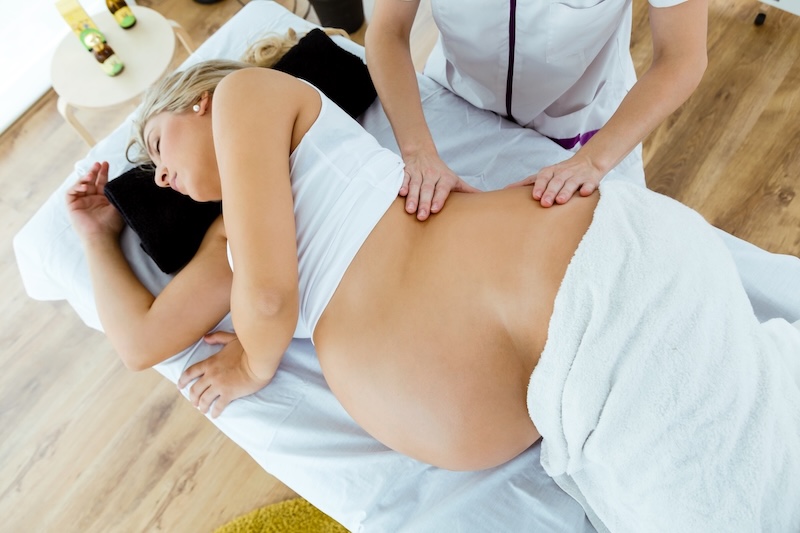
For pregnant clients in the second and third trimesters, Sandy says positioning is one of the biggest changes.
“We'll usually have the client side-lying, ideally starting on their left side to help keep the blood flowing smoothly back to the heart, though we’ll alternate sides so we can treat both sides evenly,” he says. “We won't do direct abdominal work, but rest assured the baby is completely safe and protected in the womb. We'll use extra pillows to support the bump, head and between the knees, keeping the client’s upper body slightly elevated so you don't feel lightheaded or dizzy.”
Therapists should also be cautious with deep tissue work on the calves and inner thighs during pregnancy, due to increased blood volume and higher risk of blood clots. Sandy says Masaj avoids deep pressure to the abdomen and specific acupressure points that could trigger uterine stimulation, while keeping strokes slow, smooth and light-to-moderate.
Postnatally, the client’s stage of recovery should guide the treatment. Common areas of focus may include the back, neck and shoulders, particularly where discomfort has been caused by feeding positions, lifting the baby or spending long periods in the same posture.
For clients who have had a caesarean section, Sandy says massage treatments should begin eight weeks after surgery.
Supporting clients emotionally, not just physically
While treatment adaptations are vital, experts agree that salons and spas also need to understand the emotional weight many pregnant and postnatal clients may be carrying.
Snishko says some clients may arrive late, forget things, struggle to make decisions or seem distracted, but this should not be mistaken for disinterest.
“Instead of seeing this as disinterest, we need to recognise that cognitive overload and sleep deprivation can affect things like concentration, memory and emotional regulation,” she says. “We must show our pregnant clients patience rather than judgement and adapt to their needs as they navigate motherhood.”
This is especially important for postnatal clients. Recovery does not always end at six weeks, and many mothers may still be dealing with pain, postnatal depression, birth trauma, body changes or lower back discomfort months after giving birth.
Snishko says therapists should take a client-led approach when talking about body changes, confidence or recovery.
“Another thing I notice is an emphasis on ‘getting your body back’ after having a baby, but I think we shouldn’t assume that things like weight loss, appearance or ‘getting your body back’ is a priority after giving birth,” she says. “When I work with postnatal clients, my focus is always recovery; both physical and emotional. My priority is helping each client feel cared for, comfortable and supported, rather than focusing on how they look.”
Why language matters when marketing pregnancy and postnatal treatments
The way salons and spas promote pregnancy and postnatal treatments can either make clients feel supported or add to the pressure they are already under.
Experts warn against phrases such as “bounce back”, “get your body back” or messaging that suggests a postnatal body is a problem to be fixed.
“Language that reinforces pressure to ‘bounce back’, ‘get your body back’ or return to how things were before pregnancy can be unhelpful and alienating,” says Siddiqui. “Recovery is not linear, and every woman's journey is different. Instead, messaging should focus on recovery, wellbeing, strength, confidence, comfort and supporting women through the changes they're experiencing.”
Vaughan says Masaj avoids language that ties pre- and postnatal treatments to appearance, physical ability or weight.
“The tone should be about care and support, not transformation,” she says. “If in doubt, a good test is to ask whether the messaging would make a guest feel cared for or judged, and only proceed if it's unequivocally the former.”
Franklin also advises against fear-based messaging around “toxic” skincare or unrealistic claims about eliminating pregnancy-related skin concerns such as melasma.
Knowing when to signpost
Beauty, spa and wellness professionals can play an important role in supporting clients, but they should not diagnose, treat medical conditions or give advice outside their scope.
Siddiqui says knowing when to signpost is just as important as delivering an excellent treatment. Trusted referral pathways may include GPs, midwives, women’s health physiotherapists or mental health specialists.
For therapists, red flags may include vaginal bleeding, leaking fluid, cramping, a drop in baby movements, severe headaches, vision changes, sudden swelling in the face and hands, or signs of deep vein thrombosis such as a hot, tender or swollen calf.
Snishko recommends a simple three-step approach if a client becomes emotional or appears to need more support: acknowledge, redirect and signpost.
“We’re there to provide safe, supportive treatment, not to replace a counsellor or healthcare professional,” she says.
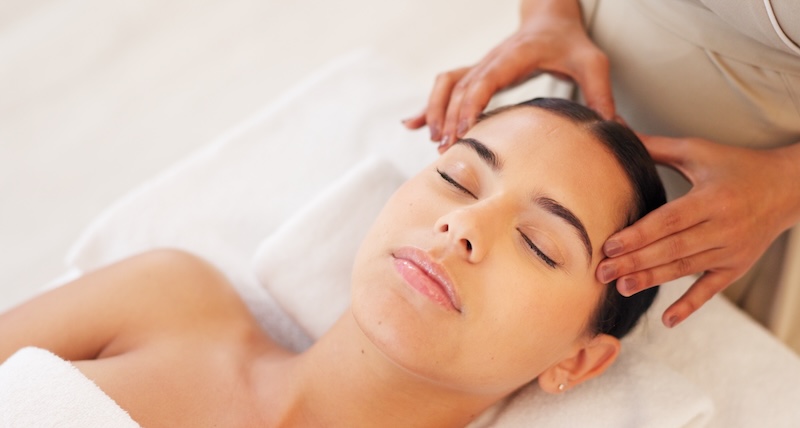
How salons and spas can introduce pregnancy and postnatal treatments responsibly
Before adding pregnancy or postnatal treatments to the menu, businesses need proper training, protocols and equipment in place.
For massage, Vaughan says businesses need three clear things: therapists with recognised pre- and postnatal massage qualifications, a thorough consultation process and the right equipment, including pregnancy pillows and a comfortable side-lying set-up.
“Skipping any of these steps to launch a new treatment onto the menu quickly is a false economy,” she says.
For facials, businesses should review every product, ingredient and device used during the treatment, as well as staff knowledge around safe positioning and when to pause or refer. Franklin advises therapists to avoid systemic retinoids, hydroquinone, contraction-inducing essential oils, high-frequency devices, microcurrent and deep chemical peels during pregnancy.
Businesses should also build in extra time where possible. Snishko says she books additional time between appointments for pregnant clients so they never feel rushed and can move at their own pace.
The small details matter too: easy access to water, toilet breaks, supportive pillows, clear explanations, scent awareness and ongoing consent can all help the client feel more comfortable.
The long-term opportunity for salons and spas
As awareness grows around women’s health, maternal wellbeing and the “fourth trimester”, pregnancy and postnatal care could become a bigger focus for beauty, spa and wellness businesses.
Vaughan says Masaj has seen growing demand for pre- and postnatal treatments, driven by more open conversations around maternal wellbeing and a growing understanding that massage can be part of ongoing self-care rather than an occasional treat.
For businesses, this is about supporting clients through a major life stage in a way that feels safe, informed and genuinely caring, rather than turning motherhood into a marketing opportunity
“During pregnancy and the postnatal period, guests are often especially attentive to who they trust with their body, and getting it right at that stage can build a relationship that lasts well beyond it,” says Vaughan.
Siddiqui agrees that businesses that invest in education, adapt their services thoughtfully and build relationships with healthcare professionals will be best placed to meet this growing demand.
“Women deserve to feel supported not just throughout pregnancy, but throughout their recovery afterwards as well,” she says. “Every interaction a woman has with a trusted professional is an opportunity to help her feel listened to, respected and supported and that's something the wellness industry is uniquely placed to contribute to.”

FAQs: treating pregnant and postnatal clients in spas and salons
What should therapists ask before treating a pregnant client?
Therapists should ask which trimester the client is in, how they are feeling, whether there have been any complications, what areas of concern they want support with and whether they have received any guidance from a midwife, GP or other healthcare professional. They should also ask about allergies, sensitivities, medical conditions and comfort preferences.
Can pregnant clients have facials?
Many pregnant clients can have facials, but treatments should be adapted. Facialists should use gentle, pregnancy-safe products, avoid aggressive resurfacing and be cautious with ingredients such as retinoids, hydroquinone and high-strength salicylic acid. Consultation and comfort are key.
Can pregnant clients have massage?
Pregnancy massage should only be carried out by therapists with specialist training. Treatments usually need to be adapted with side-lying or semi-reclined positioning, supportive pillows and appropriate pressure. Therapists should also be aware of contraindications and red flags.
How should salons and spas adapt postnatal treatments?
Postnatal treatments should be tailored to the client’s stage of recovery, birth experience, comfort levels and treatment goals. Some clients may need physical relief from back, neck or shoulder tension, while others may primarily need rest, reassurance and time to reconnect with themselves.
What language should salons avoid when promoting postnatal treatments?
Avoid phrases such as “bounce back”, “get your body back” or language that suggests a postnatal body needs fixing. Messaging should focus on recovery, comfort, wellbeing, restoration, confidence and support.
When should a therapist signpost a pregnant or postnatal client to a medical professional?
Therapists should signpost if a client reports symptoms such as bleeding, cramping, leaking fluid, reduced baby movements, severe headaches, sudden swelling, dizziness, unusual discharge, infected skin or signs of deep vein thrombosis. They should also signpost where concerns relate to mental health, pelvic floor symptoms, medical recovery or anything outside their professional scope.