As clients become more skincare-savvy, salons are evolving waxing treatments into results-driven skin services focused on barrier health, aftercare and premium client experiences
As clients become more educated about skincare – and more invested in results – salons are rethinking how they approach hair removal. The result is a shift towards “skinification”, or treating waxing as a holistic skin treatment rather than a standalone service.
From pre-wax preparation to barrier repair and advanced aftercare, therapists are elevating their protocols to deliver smoother results, fewer side effects and a more premium client experience.
Why waxing is becoming more skincare-focused
For many therapists, the biggest change has been a mindset shift. Waxing is no longer just about removing hair efficiently without irritating the skin; it’s about actively protecting and improving the skin at every stage.
“Over the last few years, there’s definitely been a shift towards treating waxing more like a skin treatment rather than simply hair removal,” says Rosie Kefford, owner of Rosie’s Beauty Specialists and Niche Beauty Education in Suffolk. “Clients are far more aware of their skin health now, so preparation and aftercare have become just as important as the waxing itself.”
This growing awareness is being driven by the rise of active skincare ingredients, social media education and a wider industry focus on skin barrier health. As a result, clients are arriving at appointments with more complex skin needs, and higher expectations.
Kefford adds, “Ultimately the goal is not just hair removal, but leaving the skin looking and feeling healthier.”
Why consultations are essential before waxing treatments
At the heart of skin-led waxing is a thorough consultation. With more clients using retinoids, acids and professional treatments such as peels and laser, understanding what’s happening beneath the surface is essential.
“Everything begins with a consultation,” says Kefford. “We check for contraindications, discuss the client’s skincare routine and look at the overall condition of the skin.”
Vicky Magnani, owner of Mayflower Spa in Surrey, agrees that this stage is more important than ever. “All our services start with a consultation which covers any existing skin concerns, such as infections, cold sores, psoriasis or eczema, and asks about the use of retinol or other medications that can make the skin more fragile and thinner.”
She adds that therapists must also consider recent treatments: “Recent skin peels, microblading, dermaplaning and laser treatments are all more common these days so need to be considered. These would be contraindicated to waxing, especially eyebrows and facial waxing.”
Skipping this step is one of the most common industry mistakes. As Kefford notes, “Waxing is sometimes treated as a very quick service, but pre- and post-aftercare advice make a huge difference to the outcome.”
How salons are preparing skin for better waxing results
In a skinification-led approach, preparation is a crucial step in achieving optimal results.
“Preparation is key, so the skin is always thoroughly cleansed and prepped to ensure optimal grip for the wax while protecting the skin barrier,” says Kefford.
Gentle exfoliation also plays a role, particularly for clients prone to ingrown hairs. “Where appropriate, we will incorporate gentle exfoliation before waxing… This helps remove excess dead skin cells and allows the wax to adhere more effectively to the hair rather than the skin.”
However, both experts stress the importance of balance. Over-exfoliation can compromise the barrier and increase sensitivity.
“We tend to favour gentle methods that won’t compromise the skin barrier,” Kefford explains.
At Mayflower Spa, Magnani takes a similarly cautious approach: “Occasionally it might be necessary to exfoliate rough areas such as knees if the client has dry skin, although normal practice would be to exfoliate prior to a waxing appointment.”
Sponsored product spotlight
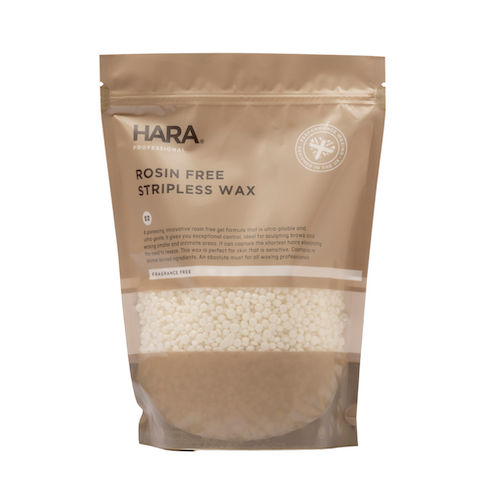
Hara Rosin Free Stripless Hot Wax
This formula is rosin and fragrance free, and vegan friendly. The ultra-pliable gel hot wax delivers exceptional results with maximum client comfort, and is ideal for delicate areas, including brows, face and intimate waxing. It’s capable of removing the shortest hairs, ensuring precise, thorough hair removal with minimal discomfort, while respecting the skin at the same time.
For more information visit the Aston & Fincher website.
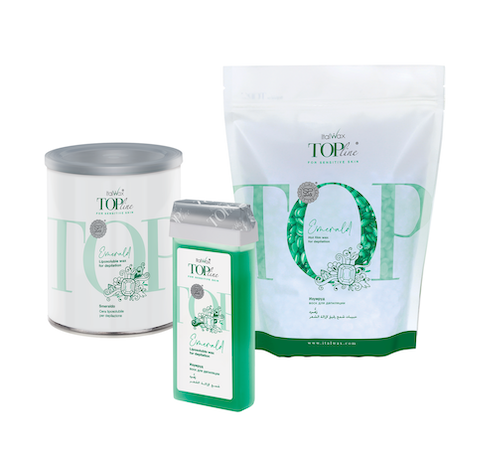
Italwax Top Line Emerald
Italwax Top Line Emerald is a hybrid hypoallergenic hot film wax. With a low melting point, exceptional flexibility and smooth multidirectional glide, it pairs perfectly with pre‑wax oil, helping beauticians achieve faster, cleaner, skin‑safe results on intimate areas and all over the body for a flawlessly soft finish.
For more information visit the Wax Store website.
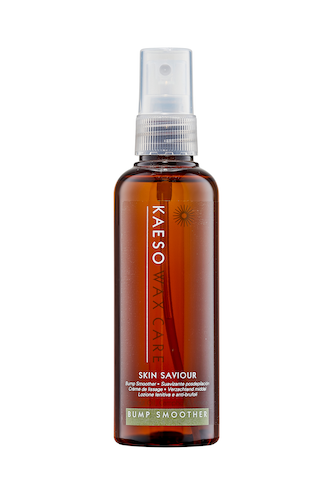
Kaeso Skin Saviour Bump Smoother
Professional waxing results rely on effective aftercare. Skin Saviour Bump Smoother helps target ingrown hairs, bumps and congestion between appointments. Formulated with salicylic acid, it exfoliates dead skin cells, helps release trapped hairs and supports smoother, clearer-looking skin. Use from 48 hours after waxing and discontinue 48 hours before the next treatment. This works as a great aftercare service for professionals.
For more information visit the Kaeso website.
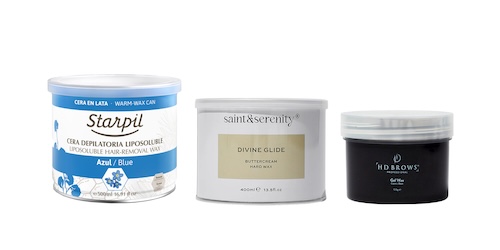
Nouveau Beauty
Discover a go-to destination for professional waxing at nouveaubeauty.com. Exclusively for pros, the expertly curated range covers everything from brow to full body, including crème, gel, and hard wax, plus all the tools you need to deliver flawless results. Stocking industry-leading brands like HD Brows, Saint & Serenity, Starpil, Hive and more, Nouveau Beauty brings together trusted performance, quality and innovation.
For more information visit the Nouveau Beauty website.
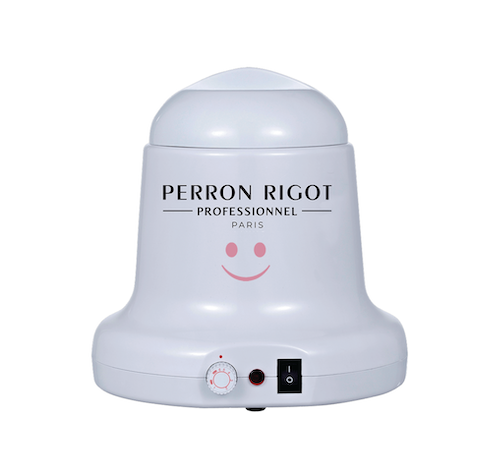
Perron Rigot Happy Heater
The Perron Rigot Happy Heater supports precise, consistent waxing with thermostatic temperature control and compatibility across all wax types, helping therapists deliver more controlled, skin-conscious treatments. Designed for ease of use, it features a lid, handle and heating indicator for efficient salon workflow.
Trade in your old heater and receive a brand-new Perron Rigot heater worth £50 when you spend over £150 (limited to the first 25 new customers).
For more information visit the Perron Rigot website.
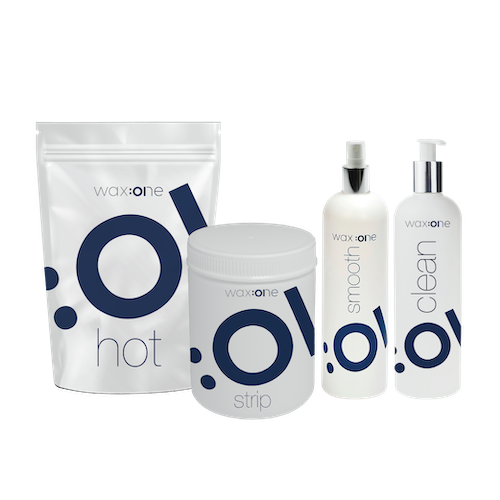
Wax:one
Wax:one is a professional waxing brand created with simplicity and client comfort in mind. Designed for all skin and hair types, our hot and strip waxes are rosin-free to help reduce irritation. Pairing the wax with Wax:one Smooth to protect and condition the skin allows waxers to deliver comfortable, beautifully smooth results every time.
Try Wax:one today for under £30 + VAT using code TRYTHEONE.
For more information visit the Sweet Squared website.
The importance of waxing technique, temperature and barrier protection
Once the treatment begins, the focus shifts to minimising trauma to the skin. This is where technique, product choice and equipment all come into play.
“During the waxing process we’re very mindful of technique, product choice and temperature to minimise trauma to the skin,” says Kefford.
Magnani highlights the importance of consistency: “Our wax heaters are digitally thermostatically controlled so we always work with the same temperatures and always check the temperature on the client’s skin, as we all feel temperatures differently.”
She adds that correct technique is fundamental: “During the waxing treatment we apply and remove wax quickly, efficiently and in the correct way to minimise trauma to the skin.”
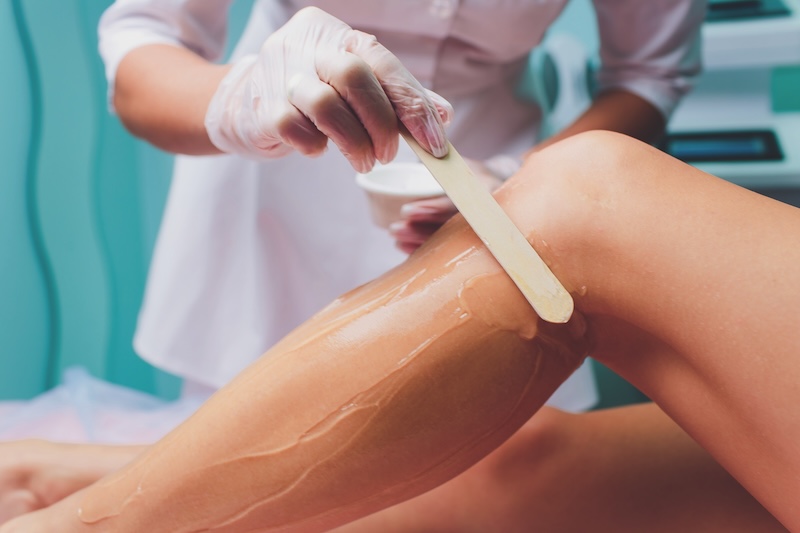
Barrier protection is a key theme throughout the treatment. Pre-wax oils or gels can help create a protective layer, while careful application and removal techniques prevent unnecessary stress on the skin.
“Barrier protection is something we’re very conscious of,” says Kefford. “The key is good preparation, correct product choice and careful technique so the skin isn’t unnecessarily stressed.”
Post-wax aftercare tips to reduce irritation and ingrown hairs
If prep sets the stage, aftercare determines the final result. Calming inflammation, restoring the barrier and preventing complications are all essential steps.
“Calming and soothing the skin immediately after waxing is essential,” says Kefford. “Products designed to reduce inflammation and support the skin barrier help the skin settle much more quickly.”
Depending on the treatment, this may include serums, masks or targeted lotions. “These products help minimise redness, reduce sensitivity and support the skin as it recovers,” she adds.
Magnani also emphasises the importance of at-home care: “We consider good homecare advice essential and recommend a soothing aloe vera gel-based product to apply at home.”
She also reminds clients about delayed exfoliation: “We advise light body exfoliation a few days after the wax to remove dead skin to allow the hairs to grow through and prevent an ingrowing hair.”
How therapists are managing sensitive skin and active skincare users
As waxing becomes more skin-focused, therapists are better equipped to manage any skin issues. “The most common concerns we see are sensitivity, irritation and ingrown hairs,” says Kefford. “These are usually linked to either compromised skin barriers or a build-up of dead skin cells.”
Education plays a key role in prevention. “Helping clients understand how to care for their skin between appointments can dramatically improve their results,” she explains.
Magnani agrees that ingrown hairs are a frequent concern, noting that early intervention is key: “Using an extraction technique can easily glide the hair out. Treat with post-wax soothing gel afterwards.”
The rise of active ingredients has added another layer of complexity to waxing treatments. Therapists must adapt their approach to avoid irritation or skin damage.
“Clients using active ingredients require a much more cautious approach,” says Kefford. “In most cases we may advise pausing certain actives for a few days before waxing.”
In some cases, alternative treatments may be necessary. “Occasionally we have to choose threading over waxing as a safer technique,” she adds.
Magnani takes a similarly cautious stance: “I would advise at least two weeks between using these ingredients and waxing.”
How premium waxing services can increase client loyalty and revenue
Skinification isn’t just improving results, it’s also creating new business opportunities.
Kefford has introduced elevated waxing experiences that focus on personalisation and skin health. “Clients have responded really well to this approach because they can see and feel the difference.”
She adds that repositioning waxing as a considered treatment can help to increase perceived value.
“When waxing is positioned as a more considered treatment rather than a quick maintenance service, clients understand the value and are often happy to upgrade,” Kefford explains.
At Mayflower Spa, premium touches are built into the experience. From high-performance waxes to thoughtful details like intimate wipes and modesty towels, the focus is on comfort and confidence.
“Our clients have such a good experience with us because we use premium products and a good, quick-setting wax,” says Magnani.
How beauty salons can embrace the skinification trend in waxing
For therapists looking to embrace the skinification movement, a shift in focus from the hair to the skin is important.
“Think of waxing as a skin treatment rather than simply hair removal,” says Kefford. “When therapists focus on the condition of the skin before, during and after the treatment, the results are always better.”
Magnani agrees, emphasising the importance of education and product choice: “Learn, incorporate and believe in a good brand of scientifically developed waxing products. Develop your skills and seek further training to perfect your techniques.”
In an increasingly results-driven industry, waxing has become an opportunity to deliver visible skin benefits, build client trust and elevate your treatment menu. And for salons and therapists open to adapting, the rewards go far beyond smooth skin.
You might also like:
- Common waxing problems and how to overcome them
- How to tailor waxing treatments for diverse skin tones and hair types
- Male waxing tips: how to attract, prepare & treat male clients
FAQs: Skinification in waxing and skincare-led hair removal
What is skinification in waxing?
Skinification in waxing is the shift towards treating waxing as a skincare service rather than simple hair removal, focusing on skin health, barrier protection and improved aftercare.
Why is waxing becoming more skincare-led?
Waxing is becoming more skincare-led because clients are more educated about skin health, active ingredients and professional treatments, leading to higher expectations around results and skin condition.
What should be included in a waxing consultation?
A waxing consultation should cover skincare routines, use of active ingredients such as retinol or acids, recent treatments like peels or laser, and any skin conditions that may affect treatment suitability.
Can you wax if a client uses retinol or acids?
Clients using retinol or exfoliating acids may need to pause use before waxing, as these ingredients can increase skin sensitivity and risk of irritation or lifting.
How should skin be prepared before waxing?
Skin should be thoroughly cleansed, gently exfoliated where appropriate, and protected with barrier-supporting products to ensure effective waxing and minimise irritation.
What is the best aftercare after waxing?
Aftercare should focus on soothing the skin, reducing inflammation and supporting the skin barrier, alongside at-home care such as calming gels and delayed exfoliation.
How can salons reduce ingrown hairs after waxing?
Ingrown hairs can be reduced through proper exfoliation routines, correct waxing technique, post-treatment soothing products and educating clients on homecare between appointments.
Is waxing suitable for sensitive skin?
Waxing can be suitable for sensitive skin when proper consultation, gentle techniques and barrier-focused skincare protocols are followed.
How does skinification benefit salons?
Skinification helps salons improve client results, increase treatment value, enhance loyalty and position waxing as a premium, results-driven service.