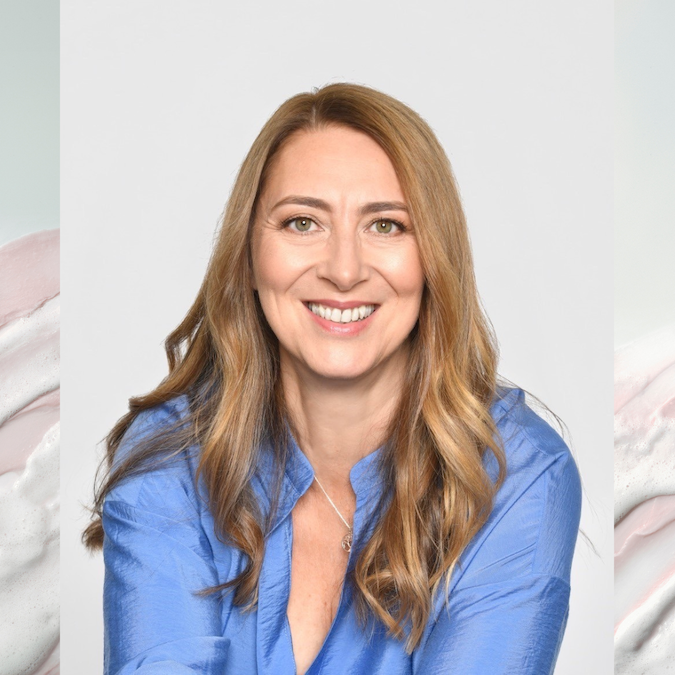
The beauty industry has changed – so what does futureproofing really mean? Salon owner Rosie Kefford explains
The beauty industry has always moved fast, but the last few years have felt like a different kind of shift – rising costs, pressure to constantly show up online, changing client expectations and the endless cycle of new trends have left so many salon owners feeling overwhelmed and unsure of what “success” even looks like anymore.
Futureproofing isn’t about fear or fixing something that’s broken. It’s about creating a business that can grow and adapt as you do. One that still feels aligned, sustainable and exciting – not draining.
For me, and for many of the owners I speak to, it starts with stepping back from the day-to-day and asking, “Does this still support the life I want?” Because a business shouldn’t just fit your diary, it should fit your life too.
What futureproofing a salon really looks like in 2026
Futureproofing isn’t about having the latest machine, the most aesthetically pleasing or “Insta-worthy” workspace or even a diary fully booked months in advance. In 2026, real security comes from clarity, boundaries and structure; knowing exactly what you do, who you serve and how your business supports your life – not consumes it. Being fully booked is not the same as being secure.
A futureproof salon is adaptable, intentional, and built with the owner’s wellbeing in mind. It means stepping into the role of designer, not just operator, and creating a business that can evolve with the industry – and with you! For me, allowing myself time away from the treatment room to work on my business, rather than in it, was one of the most pivotal moments of my career.
Many salon owners believe that being busy means being safe, but busy can be fragile. Relying on a single income stream, normalising burnout and leaving no time for strategy can leave even successful businesses vulnerable. Without space to evolve, running a salon can quickly feel stuck and exhausting.
How salon owners can stay profitable while adapting to change
Profitability doesn’t require a complete business overhaul. In most cases, small, intentional pivots create the biggest impact – refining your services, recalculating prices or realising what no longer aligns with you. Regularly reviewing what drains you allows you to focus on what truly supports growth. Profit isn’t about doing more; it’s what follows clarity and strategy.
Building a salon business with intention, not exhaustion
It’s time to stop waiting for the quiet gaps in your diary to finally focus on business planning. Stop wearing burnout as a badge of honour and let’s stop thinking growth only means more clients and longer days. True sustainability comes from designing a business that grows with you, not at your expense. When you step back, reflect and lead with clarity everything begins to shift. The future of our industry belongs to those who build with intention, not exhaustion.
See Rosie Kefford at the Salon Growth Summit
Don’t miss Rosie Kefford at the Salon Growth Summit, where she’ll be part of the panel 5 Ways to Future-Proof Your Salon alongside Sean Hanna, Sheona Will and Hannah-Curlita Dennis on Sunday, March 1, at 4.15pm.
Book your ticket at professionalbeauty.co.uk/salon-growth-summit
About the author
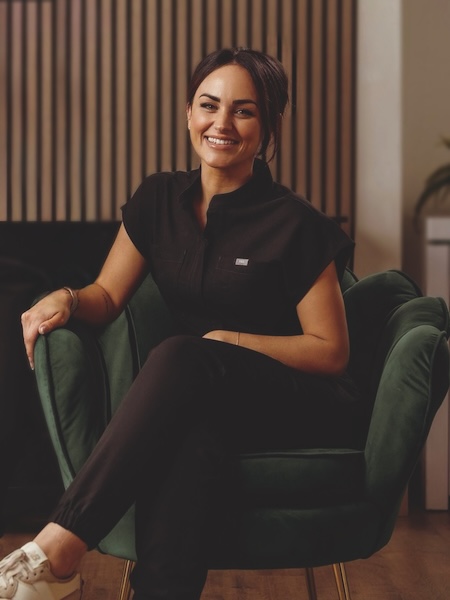
Rosie Kefford is a salon owner, educator and brow specialist with 20 years’ experience in the beauty industry. She is the owner of Rosie’s Beauty Specialists and Niche Beauty Education in Suffolk, and is a finalist for Therapist of the Year at the Professional Beauty Awards 2026.